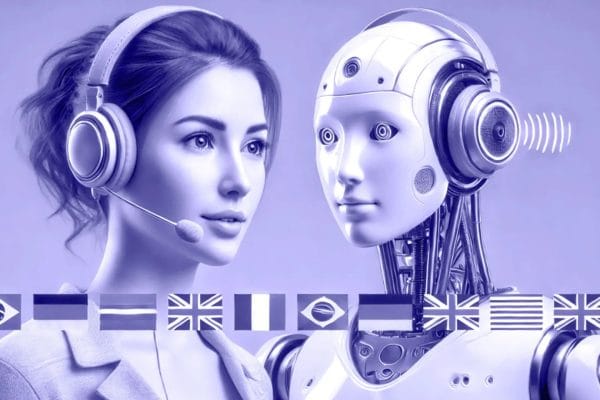
The translation industry is experiencing one of the most significant transformations in its history. With the rapid advancement of artificial intelligence (AI), machine learning, and automation technologies, the way translation services are delivered has changed dramatically.
In 2026, AI is no longer just a supporting tool-it has become a central force shaping the future of the translation industry. This article explores the latest developments, trends, and opportunities driven by AI and what they mean for businesses and language professionals.
AI Is Redefining Translation Efficiency
One of the biggest impacts of AI is the dramatic improvement in translation speed and efficiency.
Modern technologies such as:
- Neural Machine Translation (NMT)
- Generative AI tools (ChatGPT, Gemini, Claude)
- Speech recognition and real-time translation
allow translation tasks to be completed in seconds instead of hours.
Businesses can now:
- Translate large volumes of content instantly
- Reduce operational costs
Expand into global markets faster
However, speed does not always guarantee quality.
👉 Human expertise is still essential to ensure:
- Accuracy
- Cultural relevance
- Proper tone and style

The Rise of Human-AI Collaboration
Rather than replacing human translators, AI is reshaping their roles.
A new working model has emerged:
👉 Human + AI collaboration
In this model:
- AI handles repetitive and large-scale translation tasks
- Humans focus on editing, localization, and quality control
This approach:
- Increases productivity
- Improves consistency
- Maintains high-quality output
As a result, translators are evolving into:
- Language specialists
- Content editors
- Localization experts
3. Real-Time Translation Is Becoming Mainstream
One of the most exciting breakthroughs in 2026 is real-time translation.
AI-powered tools now enable:
- Instant speech translation
- Live subtitles during meetings
- Multilingual communication in real time
These technologies are widely used in:
- International conferences
- Business negotiations
- Virtual global events
Despite these advancements, human interpreters remain crucial for:
- Complex discussions
- Emotional expression
- High-stakes communication
Real-Time Translation Is Becoming Mainstream
One of the most exciting breakthroughs in 2026 is real-time translation.
AI-powered tools now enable:
- Instant speech translation
- Live subtitles during meetings
- Multilingual communication in real time
These technologies are widely used in:
- International conferences
- Business negotiations
- Virtual global events
Despite these advancements, human interpreters remain crucial for:
- Complex discussions
- Emotional expression
- High-stakes communication
Demand for Multilingual Content Is Exploding
Globalization and digital transformation are driving unprecedented demand for multilingual content.
Businesses now require:
- Website localization
- Marketing content adaptation
- Legal and technical translations
- Customer support in multiple languages
In particular, high-demand languages include:
- Korean, Japanese, Chinese
- Spanish
- Arabic
👉 The focus has shifted from simple translation to localization, ensuring content resonates with local audiences.

Video and Multimedia Translation Are Booming
The rise of digital platforms has created a surge in demand for multimedia translation services.
Popular formats include:
- Subtitles
- Voice-over
- Dubbing
With platforms like:
- YouTube
- TikTok
- E-learning systems
businesses must now deliver content in multiple languages across different media formats.
👉 This trend is transforming translation companies into full-service content localization providers.