The Shift Toward AI-Driven Translation in Vietnam
As 2026 unfolds, Vietnam’s translation market stands at a pivotal crossroads. The rapid evolution of artificial intelligence (AI) technologies is no longer a speculative future but a present force reshaping workflows, talent roles, and business models. Unlike earlier years where machine translation was viewed as a mere assistive tool, today’s AI integrates deeply into language service providers’ operations, offering both unprecedented efficiencies and complex challenges.
Emerging Technologies and Their Practical Impact
Recent developments in neural machine translation (NMT), adaptive learning algorithms, and context-aware AI engines have propelled translation accuracy and fluency to new heights. For instance, AI-driven localization platforms now dynamically adjust translations based on regional dialects and industry jargon, which is critical for Vietnam’s diverse linguistic landscape and expanding sectors like technology, manufacturing, and e-commerce.

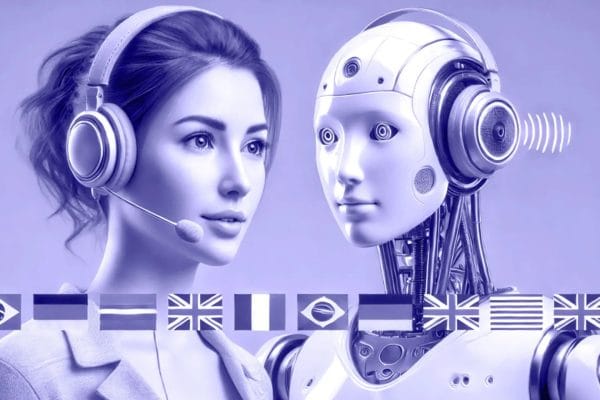
However, as highlighted by experts in the wxrks CEO interview, AI translation remains reliant on skilled human oversight. This synergy enhances quality control, especially in specialized fields such as legal, medical, and technical translation where nuances can decisively affect meaning and compliance.
Transformations in the Role of Vietnamese Translators and Interpreters
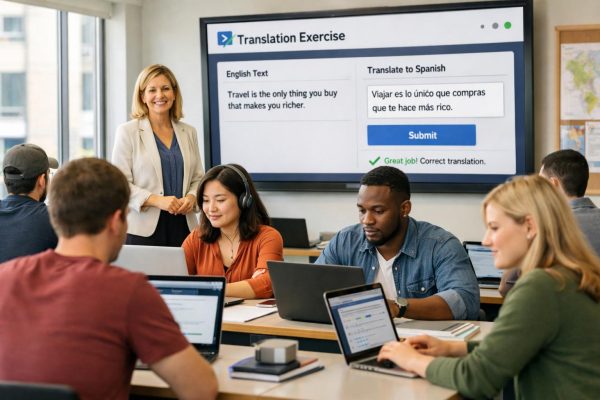
The rise of AI technologies has not diminished the value of human translators but rather expanded their responsibilities. Professional linguists in Vietnam increasingly act as post-editors, cultural consultants, and AI trainers, contributing their expertise to refine machine outputs. This evolution demands advanced skills in digital tools and domain-specific knowledge, fostering a new generation of language professionals adept at navigating hybrid workflows.
Moreover, the emphasis on human quality governance in AI-assisted translation, as detailed in the recent Vistatec and Slator report, underscores the ongoing need for expert judgement to balance automation with linguistic precision and ethical standards.
Opportunities for Vietnamese Translation Companies
Vietnamese language service providers (LSPs) are positioned to capitalize on AI advancements by integrating these tools into scalable, client-focused solutions. Companies embracing AI can reduce turnaround times and costs while maintaining high-quality standards essential for international business and government projects.
For a practical perspective, explore professional translation services.
Interprotrans exemplifies this approach by strategically adopting AI technologies to augment its professional services. By combining cutting-edge AI with seasoned translators, Interprotrans enhances consistency and speed without compromising accuracy, catering to complex sectors such as finance, law, and healthcare.
Furthermore, the growing demand for multilingual voice AI solutions, as demonstrated by Salesforce’s recent acquisition of Cresta, signals broader regional trends toward conversational AI integration, which Vietnamese LSPs can leverage to diversify offerings and enter new markets.
Challenges on the Horizon
Despite the benefits, Vietnamese translation companies must navigate challenges including data privacy regulations, the need for localized AI training data, and the risk of over-reliance on technology at the expense of cultural sensitivity. Additionally, maintaining translator expertise amidst rapid automation requires ongoing professional development and investment in upskilling.
Looking Forward: Strategic Integration of AI and Human Expertise
The translation industry in Vietnam is evolving into a sophisticated ecosystem where AI-powered tools and human skills are interdependent. For sustainable growth, companies must prioritize transparent workflows that allow for human oversight, continuous quality assurance, and adaptive learning models tailored to Vietnam’s linguistic diversity.
Interprotrans’s commitment to this balanced approach serves as a model within the market, proving that technology adoption can coexist with deeply professional human craftsmanship. Vietnamese language service providers who embrace this duality will be best positioned to thrive amid the next wave of AI-driven transformation.