The Lingering Gap Between AI and Human Expertise in International Trade Settings
In Vietnam’s bustling international trade landscape, the surge of AI-powered language tools promises efficiency but also raises a critical question: Can automated systems truly replace human interpreters during high-stakes business activities such as conferences, factory tours, and trade exhibitions? Despite rapid advances in AI localization and voice technology, the nuanced demands of real-world trade engagements illuminate the indispensable role of professional interpreters, whose expertise extends far beyond literal translation.
Complexities of Linguistic and Cultural Mediation in Trade Events
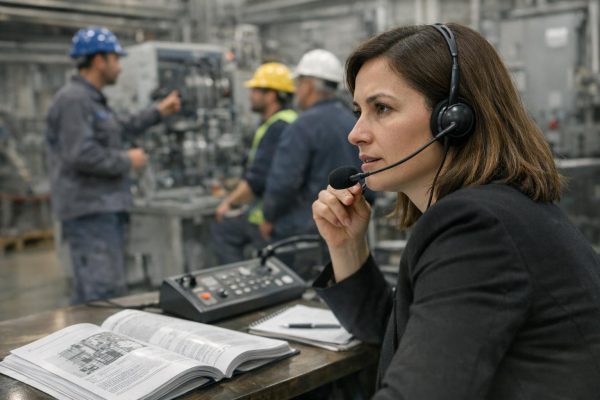
International trade events are not merely venues for transactional dialogue; they are dynamic environments where cultural subtleties, technical jargon, and spontaneous negotiations converge. For example, during factory tours in Vietnam’s manufacturing hubs, interpreters must navigate specialized terminology related to machinery, production processes, and quality control standards. Misinterpretation in these contexts can lead to costly misunderstandings or safety risks.
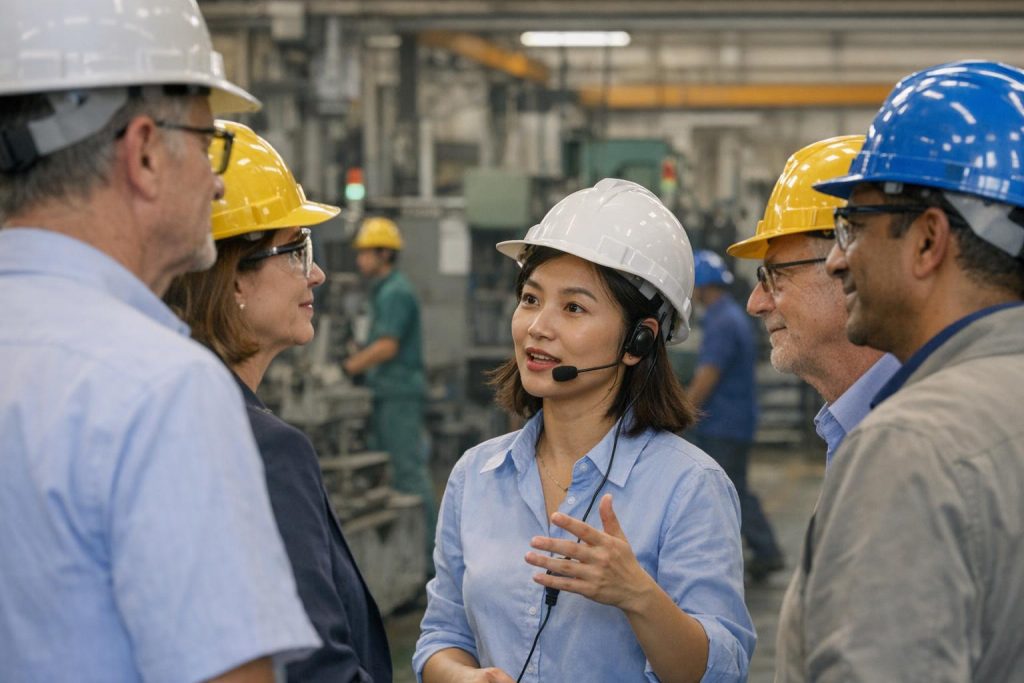
Similarly, trade exhibitions demand rapid, clear communication amid noisy, crowded settings. Here, interpreters do more than convert words—they facilitate trust-building by reading body language, adjusting tone, and managing the flow of conversation between diverse parties. Automated AI systems, while improving, struggle with these situational nuances and often falter when confronted with accents, idiomatic expressions, or unexpected shifts in discussion topics.
Real-World Challenges AI Cannot Yet Overcome
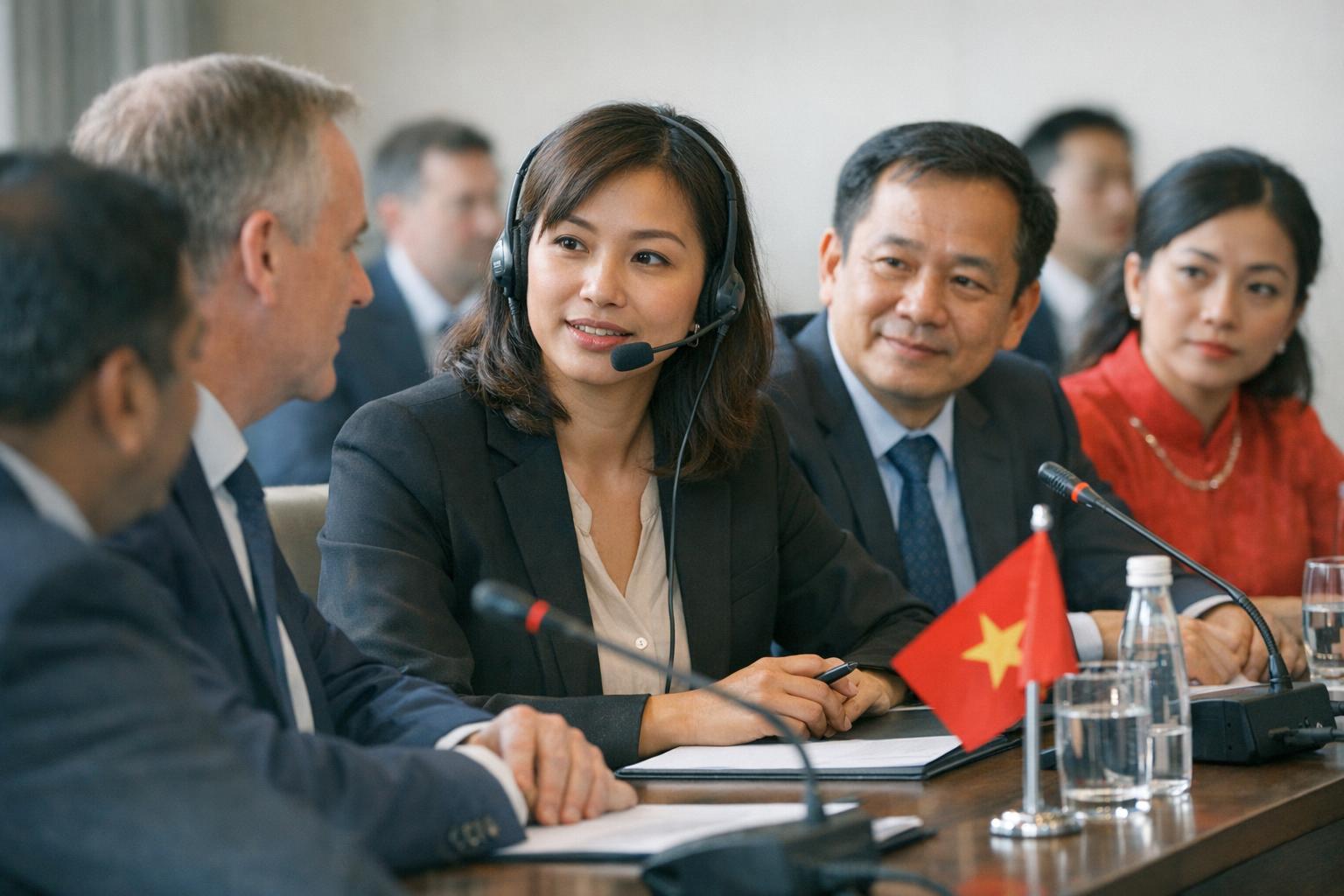
AI translation tools excel in controlled, text-based environments but face limitations in live, multi-layered interactions. Voice recognition errors, latency issues, and a lack of cultural intelligence undermine AI effectiveness in real-time scenarios. For instance, during international conferences where simultaneous interpretation is required, AI solutions rarely match the speed and contextual sensitivity of experienced human interpreters.
Moreover, AI systems depend heavily on existing data sets and struggle with emerging or industry-specific terminology unique to Vietnam’s evolving trade sectors. This gap is particularly evident in negotiations where subtle linguistic cues and strategic phrasing influence deal outcomes. Human interpreters can adapt instantly, recognizing subtext and emotional undertones that AI algorithms miss.
Preparation Standards and Professionalism: What Businesses Should Demand
Selecting skilled interpreters is a strategic decision that can significantly impact the success of international engagements. Businesses should prioritize interpreters with:
- Proven expertise in relevant industries—such as manufacturing, technology, or agriculture—ensuring familiarity with technical vocabulary and context.
- Strong cultural awareness of both Vietnamese and international business etiquette to manage delicate interactions smoothly.
- Experience in various event formats, including simultaneous, consecutive, and whispered interpretation, to adapt to different settings.
- Certification and adherence to ethical standards, guaranteeing confidentiality and impartiality.
Preparing interpreters with detailed briefing materials, event agendas, and terminology glossaries can enhance their effectiveness. Collaboration with professional language service providers that offer comprehensive professional translation services ensures interpreters are supported by accurate documentation and legal compliance where needed.
Measurable Value: Beyond Language Conversion
Engaging professional interpreters yields tangible benefits for international businesses in Vietnam. They reduce miscommunication risks, accelerate decision-making, and foster stronger partnerships. For instance, during trade fairs, interpreters facilitate meaningful dialogues with potential clients, helping companies stand out amid competitive booths. Their presence also mitigates logistical challenges such as managing multi-party conversations and coordinating with event organizers.
In addition, professional interpreters contribute to cost efficiency by preventing costly contractual errors and misunderstandings that may arise from inaccurate AI translations. When combined with targeted preparation, they enhance overall event ROI, a factor often overlooked in budget discussions but reflected in improved negotiation outcomes and sustained business relationships.
Practical Advice for Businesses Engaging Interpreters in Vietnam
To maximize the impact of interpretation services, companies should:
- Engage interpreters well in advance to allow for thorough briefing and familiarization with event specifics.
- Leverage trade fair interpreting services that specialize in the nuances of exhibition communication.
- Understand the pricing structure transparently by consulting up-to-date translation and interpretation rates to budget effectively without compromising quality.
- Ensure all translated contracts and official documents undergo consular legalization services where required, maintaining legal validity across jurisdictions.
Working with reputable language service providers, such as those offering integrated translation and interpretation solutions, helps navigate these logistical complexities smoothly.
Addressing the Underexplored Dimension: The Interpreters’ Role in Mitigating Cross-Cultural Misunderstandings and Its Broader Implications
While the article highlights linguistic challenges and AI limitations, one critical but underexplored issue is the profound role professional interpreters play in bridging cultural gaps that extend beyond mere language conversion. In Vietnam’s international trade context, cultural misunderstandings can derail negotiations, sour partnerships, and even lead to lost business opportunities. Professional interpreters act as cultural mediators who decode not only words but also the implicit social cues, hierarchical norms, and communication styles that vary significantly between Vietnamese and foreign business participants.
Understanding these cultural dimensions requires deep knowledge and sensitivity that AI systems currently cannot replicate. For example, Vietnamese business culture often places high value on respect, indirect communication, and relationship-building before formal agreements. Foreign partners unfamiliar with these nuances may misinterpret polite refusals or hesitations as disinterest or evasiveness. Human interpreters can recognize these subtleties and advise clients accordingly, facilitating smoother interactions and preventing inadvertent offenses.
Moreover, interpreters often serve as informal cultural consultants during trade events, helping foreign delegates navigate social protocols such as gift-giving customs, appropriate forms of address, and nonverbal behaviors. This guidance fosters trust and goodwill, which are essential for long-term collaboration in Vietnam’s relationship-oriented business environment. AI tools, focused primarily on linguistic accuracy, lack the contextual awareness to provide such culturally informed support.
The implications of this cultural mediation extend beyond individual meetings. By preventing misunderstandings that could escalate into conflicts or contractual disputes, interpreters contribute to a more stable and predictable trade ecosystem. This stability benefits the broader community by encouraging sustained foreign direct investment, fostering knowledge transfer, and supporting economic growth. Companies that invest in skilled interpreters effectively invest in smoother cross-cultural integration, which can translate into competitive advantages in Vietnam’s dynamic market.
From a practical standpoint, businesses should recognize that the interpreter’s role encompasses advisory functions that may require additional preparation time and collaboration. For instance, integrating cultural briefings and scenario planning into interpreter engagements can enhance their ability to anticipate potential friction points and proactively manage them. This holistic approach transforms interpretation from a transactional service into a strategic asset.
However, this expanded role introduces trade-offs. Interpreters who act as cultural mediators must balance neutrality with advocacy, ensuring they do not impose personal biases while still protecting their clients’ interests. This requires advanced training and professionalism, underscoring the importance of selecting interpreters with proven cultural competence and ethical rigor.
Looking ahead, there are promising opportunities to develop hybrid models where AI supports interpreters by providing real-time cultural insights and alerts based on pattern recognition from vast datasets of cross-cultural interactions. Such tools could augment human judgment without replacing it, enabling interpreters to perform their mediation roles with greater precision and consistency. This synergy could also facilitate scalable training programs to elevate interpreter competencies across Vietnam’s growing language services sector.
In summary, recognizing and investing in the interpreter’s cultural mediation role not only enhances communication accuracy but also fosters deeper mutual understanding and trust—foundations essential for thriving international trade relationships. This dimension merits greater emphasis by businesses and language service providers aiming to harness the full strategic value of professional interpretation in Vietnam’s complex trade environment. For readers exploring this area, consular legalization services offers additional context.
Expanding on the Strategic Integration of Human Interpreters and AI: Practical Trade-offs and Future Opportunities
While the current discourse often frames AI and human interpreters as separate or competing resources, a more nuanced understanding reveals a strategic partnership potential that can transform international trade communications in Vietnam. Delving deeper into this hybrid ecosystem elucidates practical trade-offs, real-world implications, and future opportunities that businesses and language service providers should consider.
Causes of the Current Divide: The divide stems from the inherent strengths and limitations of AI and human interpreters. AI excels in processing large volumes of data rapidly, offering cost-effective solutions for routine translations or standardized terminology. However, its algorithms lack genuine comprehension of context, emotional nuance, and cultural dynamics that underpin successful negotiations and relationship-building in Vietnam’s trade environment. Conversely, human interpreters bring empathy, adaptability, and cultural intelligence but face scalability and cost constraints.
Real-World Implications: Businesses relying solely on AI risk miscommunication in complex scenarios, leading to lost deals, damaged reputations, or legal complications. On the other hand, exclusive dependence on human interpreters may incur higher costs and logistical challenges, especially for large-scale or multi-event engagements. Recognizing these trade-offs is crucial for optimizing resource allocation and communication outcomes.
Reader Benefit and Community Impact: For business leaders and event organizers, understanding this integration offers a roadmap to maximize communication effectiveness while managing budgets and operational complexities. For the broader Vietnamese trade community, hybrid models can enhance the quality and reliability of international interactions, fostering a more inclusive and competitive market landscape.
Practical Trade-offs: Employing AI-assisted interpretation tools can reduce interpreter fatigue by handling repetitive or straightforward content, allowing human professionals to focus on high-stakes segments requiring cultural mediation and strategic judgment. However, integrating these technologies necessitates investment in training interpreters to effectively leverage AI outputs and in customizing AI tools to local trade contexts. Additionally, data privacy and confidentiality concerns must be managed carefully to maintain trust. For readers exploring this area, trade fair interpreting services offers additional context.
Future Opportunities: The evolution of AI-powered cultural intelligence modules could enable interpreters to receive real-time alerts about potential cultural pitfalls or negotiation tactics, effectively augmenting their situational awareness. Moreover, AI-driven analytics of past trade interactions could inform interpreter training curricula, enhancing cultural competence and linguistic precision. Language service providers might also develop subscription-based hybrid services, combining AI tools with on-demand human expertise to offer scalable, cost-efficient solutions tailored to diverse event types.
Furthermore, partnerships between AI developers, linguists, and trade experts could foster innovation in customizable glossaries and context-aware translation engines specific to Vietnam’s industrial sectors. This would narrow the terminology gap that currently hampers AI effectiveness.
In conclusion, embracing a strategic, hybrid approach to interpretation services aligns with Vietnam’s ambitions as a global trade hub. By thoughtfully balancing human expertise with AI capabilities, businesses can unlock enhanced communication quality, operational efficiency, and competitive advantage. This forward-looking perspective encourages investment not only in technology but also in human capital development, ultimately strengthening Vietnam’s position in the international marketplace.
Looking Ahead: Human Interpreters as Strategic Partners in a Hybrid Language Ecosystem
As AI technology continues to evolve, the interplay between automated systems and human interpreters will likely become more collaborative rather than competitive. Enterprises operating in Vietnam’s international trade arena should view professional interpreters not just as linguistic operators but as strategic partners who bring cultural insight, adaptability, and emotional intelligence to the table.
Investing in human expertise alongside AI tools ensures communication integrity, particularly when negotiations and technical training hinge on precise understanding. The future will favor those businesses adept at integrating these complementary resources to unlock the full potential of global engagements.