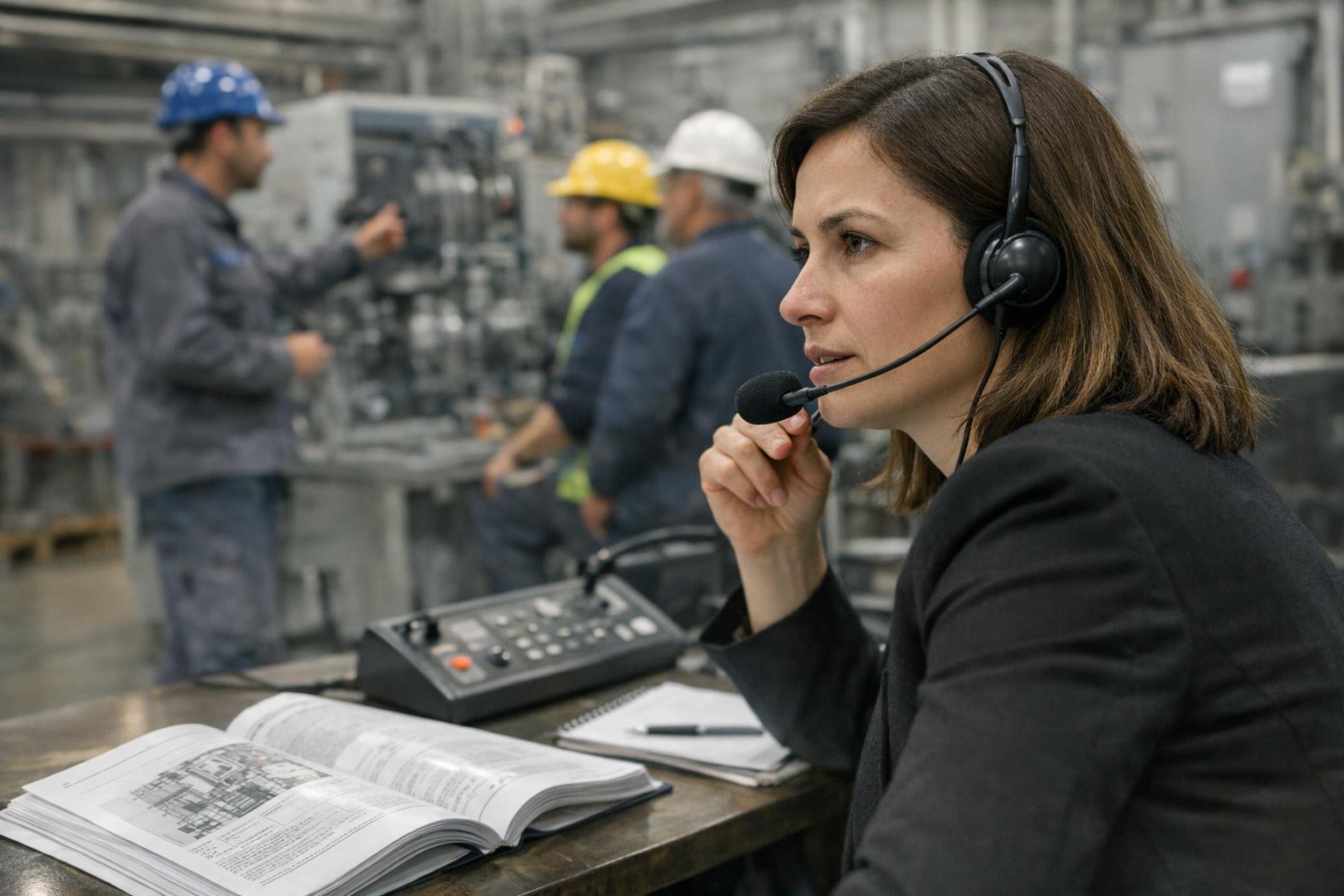
Bridging the Language Divide in Highly Technical Business Training
In an era where global manufacturing and industrial innovation increasingly rely on cross-border collaboration, the accuracy of communication during technical training sessions is paramount. Factory-level training, often involving complex machinery, safety protocols, and precise operational procedures, demands an unerring transfer of knowledge between experts and trainees from diverse linguistic backgrounds. Misinterpretation in such environments can lead to costly errors, safety hazards, and diminished productivity.
Professional interpreters tasked with facilitating these training sessions face a unique challenge: they must not only be linguistically competent but also deeply versed in the technical jargon, processes, and contextual nuances specific to the industry and company. Yet, the temptation to rely on AI tools for real-time translation grows, especially given the allure of speed and cost reduction. This article explores why, despite advances in AI-driven language solutions, human interpreter preparation remains indispensable for effective technical training and how businesses can optimize their approach to interpretation services.
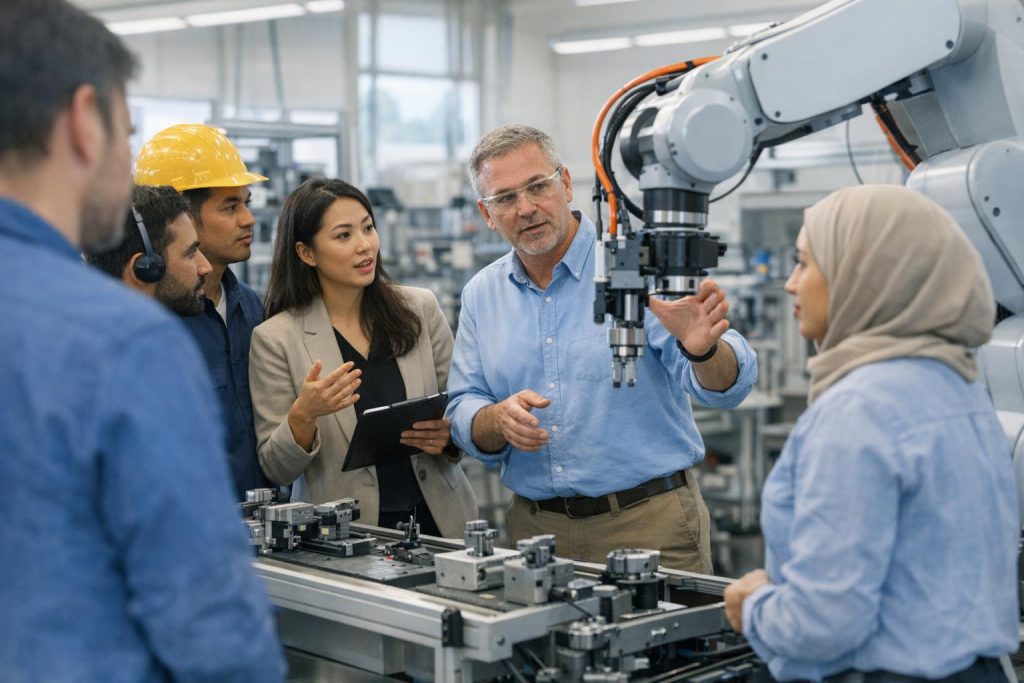
Technical Training: Context and Complexity
Technical training in manufacturing plants or industrial settings typically covers areas such as:
- Machine operation and maintenance procedures
- Quality control standards and inspection protocols
- Safety compliance and emergency response workflows
- Software interfaces for automation and monitoring
Each segment involves terminology that may not have direct translations or equivalents in other languages. For example, terms like “torque specifications,” “calibration curves,” or “programmable logic controllers” are highly specialized and require interpretation that preserves their technical meaning precisely.
The Limitations of AI in Technical Interpretation
Recent developments in AI translation have improved baseline language comprehension, but significant challenges remain in technical environments:
- Contextual Understanding: AI often struggles with context-specific terminology, abbreviations, and industry idioms, leading to potential misunderstandings.
- Dynamic Interaction: Technical training frequently involves interactive Q&A sessions, on-the-spot clarifications, and hands-on demonstrations that demand flexible and nuanced interpretation.
- Safety-Critical Language: Inaccuracies in safety instructions or emergency procedures can have severe consequences, a risk that AI currently cannot fully mitigate.
These limitations underscore the need for human interpreters whose expertise extends beyond language to include deep domain knowledge and the ability to navigate complex training dynamics.
Standards and Best Practices for Interpreter Preparation
To achieve high-quality interpretation in technical training, professional interpreters must undergo rigorous preparation tailored to both linguistic and technical demands. Key practices include:
- Pre-Training Briefings: Interpreters review training materials, manuals, and glossaries well in advance. This preparation includes understanding company-specific terminology and machinery involved.
- Collaboration with Subject Matter Experts (SMEs): Close coordination with trainers and engineers allows interpreters to clarify ambiguous terms and understand the training flow.
- Terminology Management: Developing and maintaining customized glossaries ensures consistent and accurate usage of technical terms throughout the session.
- Simulated Practice Sessions: Participating in mock trainings or role-plays helps interpreters anticipate challenges and refine delivery.
- Certification and Continuing Education: Pursuing specialized certifications in technical interpretation and staying updated on industry advancements ensures interpreters retain relevant expertise.
Real-World Scenario: Automotive Factory Training
Consider a multinational automotive manufacturer conducting a technical training session for Vietnamese engineers on new assembly line robotics imported from Germany. The training involves:
- Calibrating robotic arms to precise torque settings
- Programming sequences for automated welding
- Implementing quality assurance checkpoints
- Emergency stop procedures and troubleshooting
In this context, an interpreter must accurately convey complex instructions like “Ensure the servo motor’s feedback loop is synchronized with the main controller to avoid positional drift.” A literal or imprecise translation could cause misalignment, leading to defects or safety risks.
By preparing through detailed briefings, glossary development, and SME consultations, the interpreter can confidently deliver terminology-aligned interpretation and adapt explanations during Q&A. This human expertise far surpasses current AI capabilities, which might misinterpret technical terms like “servo motor” or “positional drift” without adequate context.
Maximizing Training Outcomes: Recommendations for Companies
Companies seeking to optimize technical training with interpretation should consider the following strategies:
- Invest in professional translation services: Engage interpreters with proven experience in the relevant technical field rather than relying solely on general language skills or automated tools.
- Integrate Interpretation into Training Design: Allocate time and resources for interpreter preparation, including access to training content, SME interaction, and rehearsal opportunities.
- Leverage Hybrid Approaches Thoughtfully: Use AI-powered tools for preparatory glossary generation or non-critical content but rely on human interpreters for live sessions and safety-sensitive communication.
- Monitor and Evaluate Interpretation Quality: Implement feedback mechanisms post-training to assess communication effectiveness and refine interpreter selection and preparation.
The Broader Context: Interpreting in International Business Settings
Beyond factory floors, the role of professional interpreters extends to international conferences, factory visits, trade exhibitions, and negotiations. Each setting shares a requirement for interpreters who can navigate industry-specific language, cultural nuances, and dynamic dialogue.
For example, trade fair interpreting services demand agility in switching between technical product explanations and business discussions, while consular legalization services require precise legal terminology. Understanding the specific context and preparing accordingly ensures communication fidelity across all touchpoints.
Balancing Technology and Human Expertise in Language Services
Emerging AI technologies continue to transform the language industry, promising efficiency gains and cost reductions. However, the latest market intelligence highlights that human expertise remains the benchmark for quality in specialized domains. Enterprises balancing AI translation workflows with professional human oversight achieve the best outcomes.
translation and interpretation rates reflect this balance, where investing in skilled human interpreters for technical training is a strategic choice that safeguards operational integrity and workforce competence.
As global industrial collaborations deepen, companies that prioritize rigorous interpreter preparation and recognize the nuanced limitations of AI will lead in delivering safe, efficient, and effective technical training. This strategic approach ultimately cultivates a workforce equipped to operate advanced systems with confidence and precision, fostering innovation and competitiveness on the international stage.
Deepening Understanding: The Human Factors Impacting Interpretation Quality in Technical Training
While the technical complexity and linguistic challenges of interpreting in industrial training settings are well acknowledged, an often underexplored but critical dimension is the human factors influencing interpreter performance and, by extension, training outcomes. These include cognitive load, emotional stress, cultural mediation, and the interpreter’s role as a communication bridge—not merely a language conduit. Understanding and addressing these human elements can significantly enhance the effectiveness of technical interpretation services.
Cognitive Load and Interpreter Performance
Interpreting technical content in real time demands intense concentration and rapid mental processing. The interpreter must simultaneously listen, comprehend highly specialized terminology, mentally translate, and deliver coherent speech—all while managing terminology consistency and adapting to unexpected questions or clarifications from trainees.
High cognitive load can lead to fatigue, reduced accuracy, and slower response times. This risk escalates in prolonged sessions or when interpreters lack sufficient preparation or domain familiarity. Unlike AI systems that do not experience fatigue, human interpreters require scheduled breaks, manageable session lengths, and well-structured training agendas to maintain optimal performance.
Emotional Stress and Communication Dynamics
Interpreters often operate under pressure, especially when safety-critical information is involved. The responsibility of conveying emergency procedures accurately can induce stress, which, if unmanaged, may impair judgment and lead to errors. Furthermore, interpreters sometimes face difficult interpersonal dynamics, such as trainers speaking rapidly, trainees expressing confusion, or cultural misunderstandings that require diplomatic mediation.
Effective interpreter preparation includes training on stress management techniques and communication strategies to maintain composure and professionalism. Companies can support this by fostering a respectful environment that values interpreter input and encourages open communication.
Cultural Mediation Beyond Language Translation
Technical training is not only about language but also about cultural context. Different cultures may have varying communication styles, attitudes toward authority, and approaches to learning. For example, in some cultures, trainees might hesitate to ask questions openly, potentially masking misunderstandings that could compromise safety or quality.
Interpreters often act as cultural mediators, recognizing these nuances and subtly encouraging interactive dialogue or clarifying trainer intentions to bridge cultural gaps. This role requires cultural competence, empathy, and situational awareness—skills that AI tools currently cannot replicate.
Practical Trade-offs in Interpreter Utilization
Balancing interpreter workload, session length, and resource allocation involves practical trade-offs. Employing multiple interpreters for longer or highly technical sessions can reduce individual cognitive load, but increases costs. Conversely, relying on a single interpreter may save expenses but risks fatigue-induced errors.
Companies must weigh these considerations against the criticality of the training content, potential safety implications, and the desired quality of knowledge transfer. Investing in interpreter team coordination and handover protocols can optimize performance while managing budgets.
Future Opportunities: Enhancing Interpreter Support Through Technology
While AI alone cannot replace human expertise, emerging technologies offer promising avenues to support interpreters and mitigate human factors challenges. For instance, augmented reality (AR) headsets could provide interpreters with real-time access to visual aids, manuals, or glossary prompts without disrupting their workflow.
Similarly, AI-driven terminology management systems can assist in preparing customized glossaries and flagging ambiguous terms during live sessions, allowing interpreters to focus cognitive resources on delivery and cultural mediation.
Integrating these tools thoughtfully, with a human-centric design philosophy, can enhance interpreter efficiency, reduce fatigue, and improve overall training quality.
Community and Workforce Impact
High-quality interpretation in technical training directly impacts workforce competence, safety culture, and operational excellence. When interpreters effectively bridge linguistic and cultural divides, trainees gain clearer understanding, confidence, and the ability to perform complex tasks accurately. This empowerment fosters a safer workplace, reduces downtime, and promotes continuous improvement.
Moreover, the professional development of interpreters themselves benefits from recognition of these human factors. Providing ongoing training, mental health support, and career pathways contributes to a sustainable interpreter workforce capable of meeting evolving industrial demands.
Reader Benefit: Applying Insights to Optimize Interpretation Services
For business leaders, training coordinators, and language service managers, appreciating the human factors at play in technical interpretation informs smarter decisions. By investing not only in linguistic and technical preparation but also in interpreter well-being and cultural competence, organizations can enhance communication fidelity and training effectiveness.
Implementing structured breaks, team interpreting, stress management resources, and culturally sensitive communication protocols are practical steps that yield measurable improvements. Additionally, embracing supportive technologies without compromising the human element positions companies at the forefront of innovation in global workforce training. For readers exploring this area, trade fair interpreting services offers additional context.
Addressing the Challenge of Interpreter Integration in Multimodal Technical Training Environments
As industrial training increasingly incorporates multimodal elements—such as virtual reality (VR) simulations, interactive digital manuals, and remote expert consultations—the role of interpreters becomes more complex and multifaceted. Despite the benefits of these advanced training modalities, interpreter integration often remains an underexplored challenge that can significantly affect training efficacy.
Multimodal training environments demand interpreters to synchronize their language delivery not only with spoken instruction but also with visual, tactile, and digital stimuli. For example, during a VR simulation of a hazardous equipment shutdown procedure, an interpreter must rapidly interpret verbal cues while also guiding trainees’ attention to visual indicators or haptic feedback. This simultaneous processing and conveying of multimodal information require specialized skills beyond conventional interpreting.
Furthermore, the asynchronous nature of some digital training components, such as interactive e-learning modules with embedded quizzes or annotations, complicates real-time interpretation. Interpreters may need to provide pre-recorded voice-overs or collaborate closely with multimedia developers to ensure linguistic accuracy and cultural appropriateness in these materials.
From a practical standpoint, integrating interpreters into multimodal training workflows necessitates early involvement in training design. This collaboration allows interpreters to familiarize themselves with the technology, anticipate potential linguistic challenges tied to non-verbal cues, and contribute to content adaptation that respects linguistic and cultural diversity.
However, this integration also involves trade-offs. The increased preparatory time and need for technical training for interpreters raise costs and demand specialized resources. Organizations must balance these investments against the benefits of immersive, multimodal training that can enhance learner engagement and retention.
Looking ahead, emerging technologies such as AI-assisted multimodal interpretation tools—capable of analyzing visual and auditory inputs simultaneously—may augment human interpreters in these environments. Yet, the nuanced judgment and cultural mediation that human interpreters provide will remain indispensable, particularly in safety-critical contexts.
By proactively addressing interpreter integration in multimodal technical training, companies can unlock the full potential of innovative learning technologies while maintaining the clarity and accuracy essential for operational safety and efficiency. This strategic foresight empowers global workforces to master complex industrial systems through rich, accessible, and culturally attuned training experiences.