Vietnam’s Rising Appeal Amid Evolving Investment Landscapes
Vietnam has rapidly transitioned from a low-cost manufacturing hub to a dynamic market with nuanced investment opportunities driven by urbanization and demographic shifts. While the country’s affordability and labor supply remain key draws, discerning investors must navigate a complex interplay of regional development, workforce quality, and emerging industry clusters.
Urban Centers Offering Distinct Investment Profiles
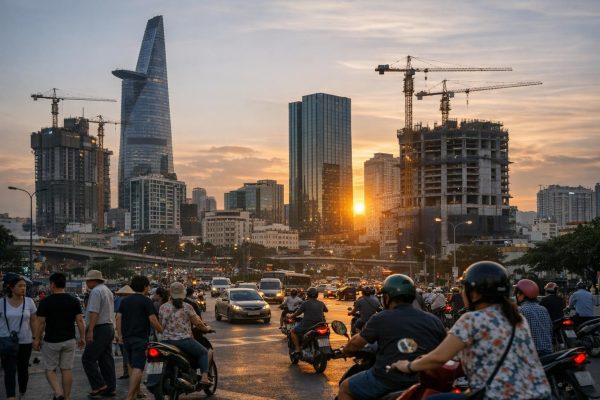
Unlike the early 2010s when Ho Chi Minh City and Hanoi dominated foreign direct investment, secondary cities are increasingly critical to Vietnam’s investment landscape. Cities such as Da Nang, Hai Phong, and Binh Duong are growing industrial bases, benefiting from improved infrastructure, government incentives, and proximity to ports and logistics corridors.
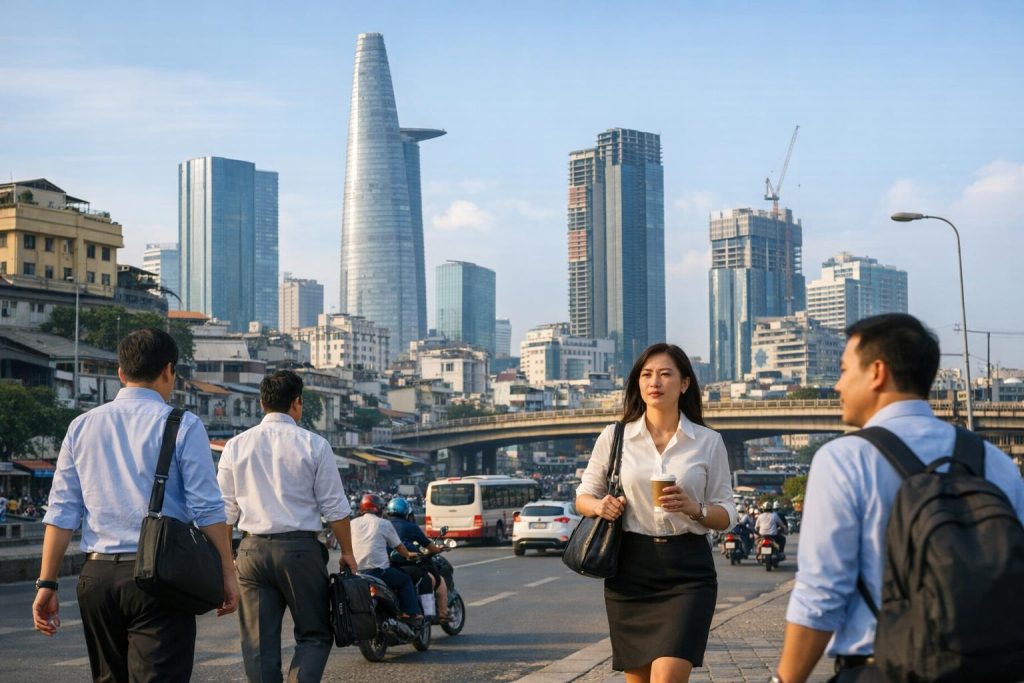
- Ho Chi Minh City: The economic powerhouse with a diversified economy, strong financial services, IT, and manufacturing sectors. Its talent pool is broad but increasingly competitive, pushing wages upward.
- Hanoi: The political capital and northern hub, with strengths in technology, education, and growing industrial parks. Hanoi offers a balance of skilled labor and expanding consumer markets.
- Da Nang: Positioned as a central logistics and tech hub, Da Nang attracts tech startups and manufacturing facilities seeking alternatives to saturated southern and northern cities.
- Binh Duong and Hai Phong: Emerging industrial zones with aggressive investment incentives and rapidly expanding infrastructure, these cities offer lower operational costs and a growing skilled workforce.
Investors should analyze not only immediate cost savings but also the long-term scalability and ecosystem support each city offers. For example, Da Nang’s burgeoning tech scene may appeal to software services and R&D, while Binh Duong’s industrial parks suit heavy manufacturing and assembly.
Labor Market Dynamics: Cheap, Young, and Improving Quality
Vietnam’s labor force advantage lies in its demographic dividend: a young, large, and increasingly educated population. According to government data, nearly 70% of the population is under 35, providing a sustainable supply of workers. However, the narrative of “cheap labor” requires nuance.
Wages are rising annually—around 8-10% growth in urban centers—reflecting both inflation and growing demand for skilled workers. This wage inflation is most notable in Ho Chi Minh City and Hanoi, where competition for talent is intense, driven by expanding sectors such as electronics, automotive, and IT.
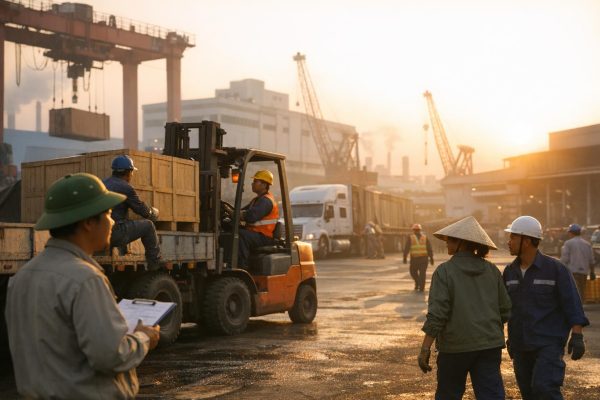
Beyond costs, the quality of labor is improving through vocational training programs and partnerships between foreign enterprises and local educational institutions. For example, multinational corporations in industrial parks collaborate with technical colleges to tailor curricula, ensuring workers meet specific production standards.
This evolution means investors focusing solely on the lowest wages risk missing critical productivity and quality benchmarks essential for advanced manufacturing or service-oriented operations.
Balancing Cost with Capabilities: Strategic Workforce Planning
Investors must weigh the trade-offs between raw labor cost and workforce capability. A strategic approach involves segmenting operations by skill level and city context:
- Low-skill, labor-intensive tasks: May be optimally located in emerging industrial cities like Binh Duong or Hai Phong, where wage pressures are lower and labor supply is ample.
- High-skill, technology-driven processes: Better suited to Hanoi or Ho Chi Minh City, where talent pools include software developers, engineers, and professionals trained in specialized disciplines.
Investors can also leverage government incentives targeted at skills development, such as tax breaks for companies investing in employee training programs or technology upgrades. These policies encourage upgrading workforce competencies while managing operational costs.
Practical Investment Implications and Case Examples
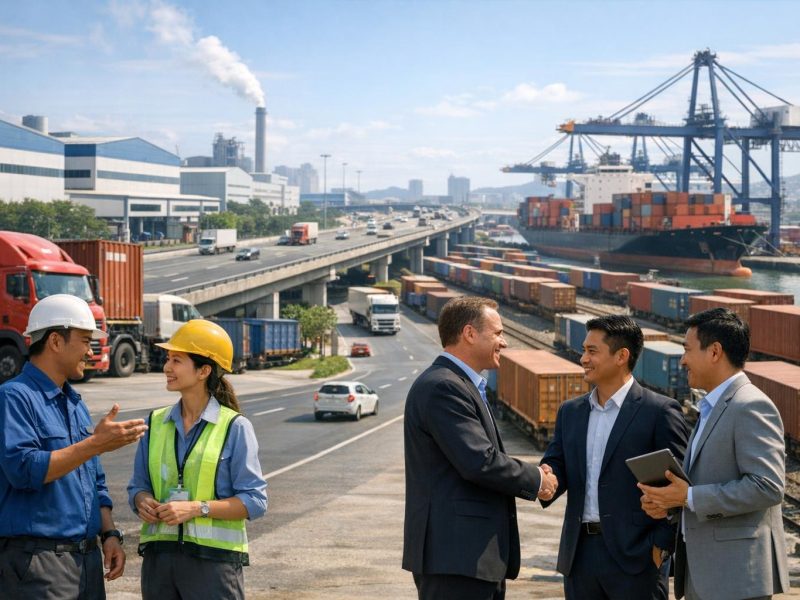
Consider a foreign electronics manufacturer evaluating expansion options. Placing assembly lines in Binh Duong can reduce labor costs by 15-20% compared to Ho Chi Minh City, but the availability of skilled technicians and engineers is less concentrated. Conversely, locating R&D and quality control teams in Hanoi facilitates access to a growing pool of university graduates and specialized staff.
Similarly, a software outsourcing firm seeking to expand may prioritize Da Nang for its emerging tech ecosystem, quality of life, and lower operational costs compared to the saturated Ho Chi Minh City market. This example demonstrates how city selection aligns with company-specific operational requirements.
Integration with Language and Translation Services
As Vietnam attracts diverse foreign investors, communication and localization are vital. professional translation services are indispensable for navigating regulatory documentation, corporate communications, and technical manuals. Ensuring accuracy and cultural appropriateness minimizes legal risks and enhances stakeholder engagement.
Understanding translation service pricing is equally important for budgeting and operational planning. Cost structures vary by language pair, document complexity, and turnaround times, but investing in quality language solutions can yield long-term efficiency gains and smoother market entry.
Companies expanding into multiple Vietnamese cities should consider centralized linguistic support to maintain consistency across locations and documents, a practice increasingly recognized among multinational enterprises operating in Vietnam.
Shifting Investment Paradigms: From Cost Arbitrage to Strategic Localization
Vietnam’s investment story is evolving beyond the simplistic allure of cheap labor. Urban growth, workforce development, and government policies increasingly shape where and how investors allocate capital. Recognizing the distinct advantages of different cities and aligning workforce capabilities with business needs enables investors to build resilient, scalable operations.
Future investment success in Vietnam will favor those who adopt a data-driven, nuanced approach to labor markets and urban dynamics—embracing not only cost efficiency but also quality, innovation potential, and ecosystem integration.
As Vietnam moves toward higher value-added industries and service sectors, the interplay of urban development and workforce skills will only intensify. Investors prepared to navigate these complexities will find Vietnam a fertile ground for sustainable growth well beyond the current decade.
Addressing Infrastructure and Environmental Challenges in Vietnam’s Investment Landscape
While Vietnam’s economic ascent and demographic advantages are well recognized, one underexplored but critical dimension for investors is the state of infrastructure and environmental sustainability—factors that increasingly influence investment viability, operational efficiency, and long-term community impact.
Infrastructure Bottlenecks and Their Root Causes
Vietnam’s rapid urbanization and industrial growth have outpaced the development of essential infrastructure. Key bottlenecks include congested transportation networks, inconsistent power supply, and limited water treatment capacity. These challenges stem from several intertwined causes:
- Historical underinvestment: For decades, infrastructure expansion lagged behind economic growth, leaving a deficit that now requires accelerated catch-up investments.
- Fragmented planning and governance: Coordination among national, provincial, and municipal authorities is often complex, leading to delays and inefficiencies in project implementation.
- Environmental constraints: Geographic vulnerabilities, such as susceptibility to flooding and climate change impacts, complicate infrastructure design and maintenance.
Real-World Implications for Investors
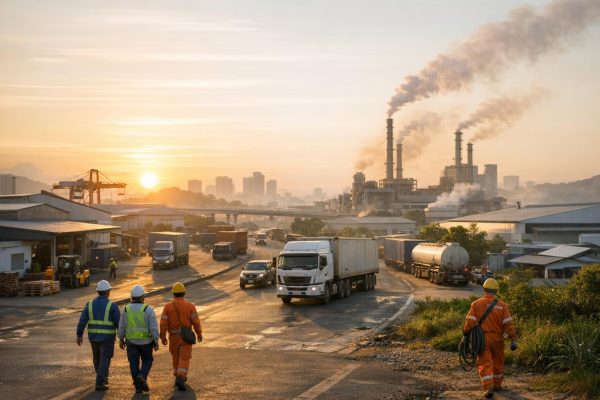
Infrastructure limitations translate into tangible operational risks and costs. For example, traffic congestion increases logistics expenses and delivery times, while unstable power supply can disrupt manufacturing processes and compromise quality control. Water scarcity or pollution issues may affect both industrial activities and workforce health.
Moreover, infrastructure deficits can hinder the scalability of operations. An investor who initially benefits from low land or labor costs in secondary cities might face escalating expenses or capacity constraints as demand grows and infrastructure fails to keep pace.
Community Impact and Societal Considerations
Infrastructure and environmental challenges also have profound effects on local communities. Poor air and water quality, inadequate waste management, and traffic congestion contribute to public health problems and reduce quality of life. These issues can provoke social discontent, labor unrest, or increased turnover, indirectly affecting investor operations.
Conversely, investments that incorporate sustainable infrastructure solutions and environmental stewardship can foster community goodwill, enhance workforce stability, and build reputational capital—assets increasingly valued in global markets.
Practical Trade-offs and Strategic Responses
Investors face trade-offs when selecting locations or designing operations. Opting for rapidly developing industrial zones might offer short-term cost advantages but expose firms to infrastructural vulnerabilities. Alternatively, established urban centers may have higher costs but provide more reliable utilities and logistics.
Strategic responses include:
- Engaging in public-private partnerships: Collaborating with government bodies to co-develop infrastructure projects, sharing costs and benefits.
- Investing in on-site infrastructure: Installing backup power systems, water treatment facilities, or digital connectivity solutions to mitigate external deficiencies.
- Adopting green technologies: Utilizing renewable energy, waste recycling, and water conservation measures to reduce environmental footprint and operational risks.
Future Opportunities: Infrastructure Modernization and Sustainable Growth
Vietnam’s government has recognized infrastructure and environmental sustainability as strategic priorities, evident in ambitious plans for upgrading transport networks, expanding renewable energy capacity, and enhancing urban resilience. Investors who align with these national objectives can benefit from incentives, risk mitigation, and market differentiation.
Emerging opportunities include participation in smart city initiatives, green industrial parks, and digital infrastructure projects that promise to transform Vietnam’s investment landscape. By proactively addressing infrastructure and environmental challenges, investors not only safeguard their operations but also contribute to Vietnam’s sustainable development trajectory, fostering inclusive growth that benefits businesses, communities, and the environment alike.
Digital Infrastructure and Technological Ecosystems: Unlocking Vietnam’s Next Investment Frontier
While physical infrastructure and labor remain foundational, a rapidly expanding but less examined factor shaping Vietnam’s investment appeal is the development of digital infrastructure and technological ecosystems. As Vietnam accelerates toward a knowledge-based economy, the integration of digital connectivity, innovation clusters, and smart technologies is becoming a decisive factor for investors targeting high-value sectors.
Causes Driving Digital Infrastructure Growth
The Vietnamese government’s commitment to digital transformation, as outlined in its National Digital Transformation Program, has catalyzed widespread investments in broadband networks, data centers, and e-government platforms. This push is fueled by:
- Rising domestic demand: A young, tech-savvy population with increasing internet penetration and smartphone usage creates a fertile market for digital services.
- Foreign direct investment in tech: Multinationals and startups alike are establishing R&D centers and innovation hubs, necessitating robust digital infrastructure.
- Global supply chain digitization: Integration into advanced manufacturing and logistics chains requires real-time data exchange and automation capabilities.
Real-World Implications for Investors
Access to reliable, high-speed internet and digital services directly impacts operational efficiency, innovation capacity, and market responsiveness. For instance, manufacturers leveraging Industry 4.0 technologies—such as IoT sensors, AI-driven quality control, and cloud-based supply chain management—require resilient digital connectivity. Similarly, service sector investors, including fintech, e-commerce, and software development firms, depend on advanced digital ecosystems to scale rapidly.
Moreover, digital infrastructure reduces barriers to entry for smaller enterprises and startups, fostering vibrant local innovation ecosystems that can supply talent, partnerships, and specialized services to foreign investors.
Community and Economic Impact
Improved digital infrastructure enhances workforce skills through access to online education and remote work opportunities, contributing to inclusive economic growth. It also empowers local businesses to participate in global value chains, thereby diversifying regional economies and reducing overreliance on traditional manufacturing.
However, disparities in digital access between urban and rural areas pose challenges to equitable development, which investors and policymakers must address collaboratively.
Practical Trade-offs and Strategic Considerations
Investors must weigh the benefits of locating in emerging tech hubs like Da Nang or Ho Chi Minh City, where digital infrastructure is more developed, against cost considerations. While secondary cities may offer lower rents and wages, their digital ecosystems might be less mature, potentially constraining technology-dependent operations.
Strategic investments in private digital infrastructure, such as dedicated fiber optic networks or cloud services, can mitigate these gaps but require upfront capital and operational expertise.
Future Opportunities and Innovation Potential
Vietnam’s digital economy is projected to grow exponentially, presenting opportunities for investors to participate in:
- Smart manufacturing and automation: Leveraging AI, robotics, and data analytics to enhance productivity and product quality.
- Digital services and fintech: Capitalizing on a youthful consumer base eager for innovative financial products, e-commerce, and digital entertainment.
- Green tech and smart cities: Integrating digital solutions with environmental sustainability initiatives to optimize energy use, waste management, and urban mobility.
By proactively engaging with Vietnam’s digital transformation, investors can not only optimize their operations but also contribute to building resilient, future-ready industries that align with global trends toward sustainability and innovation.