Understanding Vietnam’s Investment Landscape Beyond the Surface
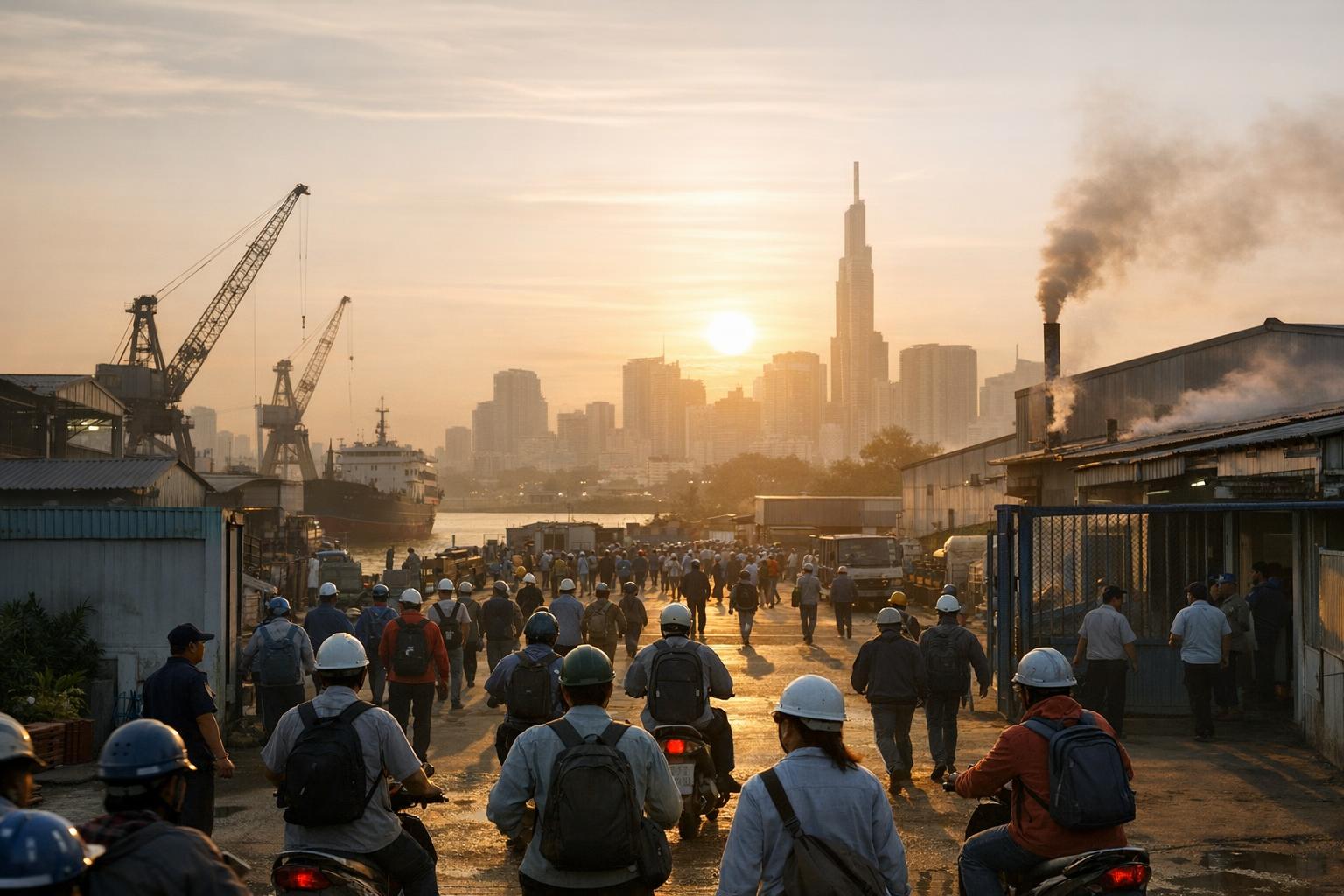
Vietnam has surged into the spotlight as a compelling destination for foreign investment, buoyed by its dynamic economy and strategic positioning in Southeast Asia. Yet, beneath the surface of headline GDP growth and export figures lies a nuanced interplay of factors that determine where and how investments can thrive—particularly the availability of affordable labor and the distinct appeal of various Vietnamese cities.
Investors often face the challenge of balancing cost-efficiency with operational effectiveness. While Vietnam boasts low labor costs compared to regional peers, not all cities offer the same quality of infrastructure, talent pools, or regulatory environments. This article evaluates the practical potential of investing in Vietnam by dissecting labor market realities and city-specific considerations, drawing on recent economic data and case studies to provide a grounded perspective.

The Realities of Vietnam’s Labor Market: Cost, Skill, and Availability
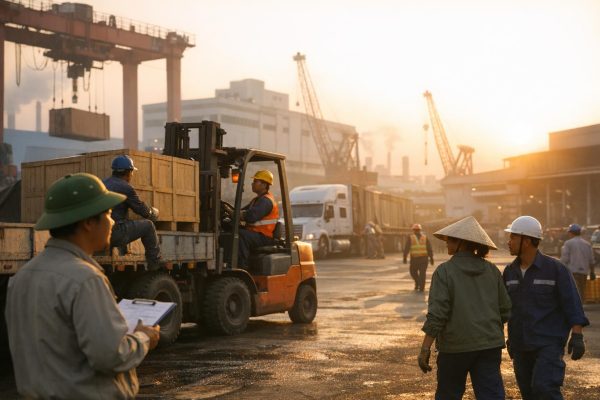
Vietnam’s labor force is frequently lauded for its affordability, a critical lure for manufacturing and service industries seeking to optimize operational budgets. According to recent labor statistics, the average monthly wage in manufacturing hubs like Ho Chi Minh City remains significantly lower than in neighboring countries like Thailand or Malaysia, often by 30-40%. This differential offers a clear competitive advantage.
However, low wages do not always equate to low overall labor costs. Factors such as productivity levels, workforce skill sets, and turnover rates introduce complexities. For example, while the youthful demographic ensures an abundant supply of workers, many roles require additional training to meet international quality standards. This increases upfront costs and prolongs the path to operational maturity.
Companies like Samsung and Intel, which have established large-scale operations in Vietnam, invest heavily in employee development and quality assurance programs. Their experience underscores that capturing the benefits of low wages necessitates complementary investment in skills development and labor management. Neglecting these aspects can lead to hidden costs and operational inefficiencies.
City Profiles: Where Should Investors Focus?
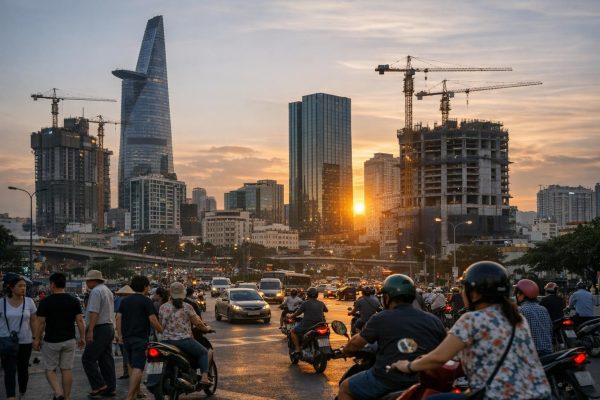
Vietnam’s urban landscape is diverse, ranging from the bustling economic powerhouse of Ho Chi Minh City to emerging industrial zones in Da Nang and Hai Phong. Each city presents unique investment opportunities shaped by factors such as infrastructure, labor market characteristics, and government incentives.
- Ho Chi Minh City: As Vietnam’s largest economic center, it offers the most developed infrastructure, a sizable skilled labor pool, and extensive international connectivity. However, wages here are higher than in other cities, and competition for talent is intense.
Example: The tech sector thrives here due to access to universities and a growing startup ecosystem, but manufacturing companies may find costs elevated compared to smaller cities. - Hanoi: The capital boasts strong government presence and growing industrial parks, with a labor force increasingly versed in technical skills. Hanoi’s proximity to northern supply chains and exports to China adds logistical advantages.
Example: Electronics manufacturing has expanded rapidly, supported by government incentives targeting high-tech industries. - Da Nang: This central city is attracting investment due to its strategic location, improving infrastructure, and a younger labor force with lower wage expectations.
Example: Companies in logistics and tourism-related services benefit from Da Nang’s coastal access and rising urban quality of life. - Hai Phong: Known for its deep-water port and industrial zones, Hai Phong is ideal for heavy manufacturing and export-oriented businesses.
Example: Automotive assembly plants have been established here, leveraging both port access and competitive labor costs.
Balancing Labor Costs with Long-Term Viability
While cheap labor remains a headline attraction, sustainability in investment demands a long-term view. Rapid wage inflation is already evident in some urban centers as economic growth accelerates and labor markets tighten. Investors must anticipate this dynamic and consider strategies such as automation, worker training, and productivity enhancement to maintain cost advantages.
Moreover, social and environmental factors increasingly influence investment viability. Labor practices, worker welfare, and compliance with evolving regulations impact brand reputation and operational continuity. Forward-looking investors integrate these considerations early to avoid costly disruptions.
Practical Implications for International Businesses
For firms engaging with Vietnam’s market, understanding the interplay of labor economics and city infrastructure is critical. Beyond initial cost calculations, the choice of city determines access to skilled talent, supply chain integration, and regulatory support.
Employing professional translation services is also essential, given the linguistic and cultural nuances in negotiating contracts, managing local teams, and ensuring compliance with Vietnamese law. Accurate communication mitigates risks and fosters trust in cross-cultural business relations.
Furthermore, awareness of translation service pricing enables companies to budget effectively for linguistic support, which is often an underestimated component in international operations.
The Underexplored Challenge of Labor Quality and Workforce Development
While much of the discourse around Vietnam’s investment appeal centers on low labor costs and abundant workforce availability, a critical but underexplored issue is the quality of the labor force and the systemic challenges related to workforce development. This dimension profoundly affects operational efficiency, product quality, and ultimately, the sustainability of investments.
Causes of Labor Quality Challenges
Vietnam’s rapid economic growth has outpaced the development of vocational training and higher education systems aligned with industry needs. Many workers entering the labor market possess basic education but lack specialized technical skills or experience in advanced manufacturing processes. Additionally, the legacy of an education system focused more on theoretical knowledge than practical skills limits workforce readiness.
Another contributing factor is the geographic mismatch between labor supply and demand. While urban centers like Ho Chi Minh City and Hanoi have growing pools of skilled workers, many industrial zones in emerging cities face shortages of qualified personnel, forcing companies to rely on less experienced workers or incur costs relocating talent.
Furthermore, language barriers and limited exposure to international business practices can hinder communication and integration within multinational companies, affecting teamwork and productivity.
Real-World Implications for Investors
Labor quality issues translate into tangible operational challenges. For manufacturing firms, inadequate skills can lead to higher defect rates, lower throughput, and increased supervision costs. Service-oriented businesses may face difficulties in maintaining customer service standards or adapting to digital transformation initiatives.
High turnover rates, often driven by workers seeking better opportunities as their skills improve, add to recruitment and training expenses. This churn can disrupt production schedules and reduce institutional knowledge retention.
Moreover, investors may encounter regulatory and reputational risks if workforce development is neglected. Governments are increasingly emphasizing labor standards, safety, and employee welfare, with stricter enforcement of compliance. Companies failing to meet these expectations risk penalties and damage to their brand image.
Community Impact and Societal Benefits
Addressing labor quality challenges offers significant benefits beyond immediate business interests. Investments in workforce development contribute to community upliftment by enhancing employability, increasing wages, and fostering social stability. Skilled workers are more likely to participate in civic life and support local economies, creating a virtuous cycle of growth.
Companies that actively engage in training initiatives, apprenticeships, and partnerships with educational institutions can build stronger local ties and improve their social license to operate. This engagement also helps mitigate risks associated with labor disputes and community opposition.
Practical Trade-Offs for Investors
Investors face trade-offs when deciding how much to invest in workforce development. While upfront costs for training programs, language courses, and employee welfare initiatives can be significant, the long-term returns in productivity, quality, and workforce stability often justify these expenses.
Alternatively, some companies may opt for automation and technology to reduce reliance on unskilled labor. However, this approach requires capital investment and may not be feasible for all sectors or company sizes. Furthermore, over-automation can lead to social backlash if it results in significant job losses.
Balancing these options requires careful analysis of sector-specific labor needs, cost structures, and social context.
Future Opportunities: Building a Skilled Workforce Ecosystem
Vietnam’s government and private sector are increasingly recognizing the imperative of workforce development. Initiatives to reform vocational education, enhance technical training centers, and promote public-private partnerships are gaining momentum. Investors can leverage these developments by collaborating with local institutions to tailor curricula and training programs to industry demands.
Emerging technologies such as e-learning platforms, virtual reality training, and AI-driven skill assessments present new avenues to accelerate workforce upskilling at scale and cost-effectively. Companies investing in these tools can gain competitive advantages and help shape a more resilient labor market.
Moreover, as Vietnam integrates further into global value chains, demand for higher-skilled labor will intensify, creating niches for specialized training providers and consultancy services. Early movers in workforce development can position themselves as preferred employers and partners within these evolving ecosystems.
Integrating Workforce Development with Community and Economic Ecosystems
Beyond individual company initiatives, a holistic approach to workforce development in Vietnam requires integration with broader community and economic ecosystems. The interdependence between labor quality and local socio-economic conditions underscores the importance of coordinated efforts among investors, government bodies, educational institutions, and civil society.
One key challenge is aligning workforce development with local economic diversification. Many Vietnamese cities are transitioning from single-industry dependence toward more varied economic activities, including technology, services, and green industries. This shift demands adaptive training programs that prepare workers not only for current roles but also for emerging sectors.
Investors can benefit from engaging in multi-stakeholder partnerships that promote regional development strategies. For example, collaborating with local governments to support infrastructure improvements, transportation access, and affordable housing can enhance worker retention and satisfaction. Such investments reduce labor turnover and create stable talent pools, which are crucial for sustained operational success.
Moreover, fostering inclusive workforce development that addresses gender disparities and supports disadvantaged groups amplifies social impact and broadens the talent base. Companies that champion diversity and inclusion often experience enhanced innovation and community goodwill, contributing to a positive investment climate.
Environmental sustainability also intersects with workforce dynamics. As Vietnam pursues greener growth, skills related to energy efficiency, waste management, and sustainable manufacturing become increasingly valuable. Training programs that incorporate environmental competencies prepare workers for future-oriented industries and help companies meet evolving regulatory and consumer expectations.
The practical trade-offs in adopting such integrative approaches involve balancing short-term costs against long-term societal and business benefits. While investments in community infrastructure and inclusive programs may initially strain budgets, they foster a resilient ecosystem that supports continuous talent development and operational stability.
Looking forward, digital transformation offers promising opportunities to connect workforce development with community engagement. Virtual platforms can facilitate remote training, knowledge sharing, and collaboration across regions, overcoming geographic constraints. Additionally, data analytics can help stakeholders identify skill gaps and tailor interventions more precisely.
In essence, embedding workforce development within a comprehensive ecosystem perspective transforms it from a mere cost center into a strategic asset. This approach not only enhances the viability of investments in Vietnam but also contributes to equitable and sustainable economic growth, reinforcing the country’s position as a dynamic investment destination.
Looking Ahead: Vietnam’s Investment Landscape in Transition
Vietnam’s rapid economic transformation is redefining the calculus of investment. The era when labor cost alone dictated location decisions is evolving into one where quality, sustainability, and strategic urban advantages shape outcomes. Investors who engage deeply with these dimensions, leveraging local insights and professional language support, position themselves to capture long-term growth rather than short-term gains.
As cities like Da Nang and Hai Phong continue to enhance their infrastructure and workforce capabilities, and as Ho Chi Minh City and Hanoi face rising costs, a more diversified investment approach is emerging. This trend encourages companies to tailor their strategies to specific urban ecosystems rather than adopting a one-size-fits-all model.
In this shifting environment, adopting a holistic perspective on labor dynamics and urban potential will be critical to unlocking Vietnam’s full investment promise.