The Nuances of Investing in Vietnam’s Growing Economy
Vietnam is widely recognized as a compelling destination for foreign direct investment, driven by its dynamic economic growth and strategic location in Southeast Asia. However, the decision to invest is far from straightforward. A granular understanding of the country’s urban centers, labor market characteristics, and regulatory environment is critical for investors seeking sustainable returns.
Vietnam’s macroeconomic indicators paint a positive picture, with GDP growth rates consistently outperforming regional peers. Yet beneath this surface lies a complex mosaic of opportunities and challenges that vary significantly across its major cities and industrial zones.

Key Cities: Diverse Investment Hubs with Distinct Profiles
The Vietnamese government has actively promoted development in several urban centers, each offering unique advantages for investors:
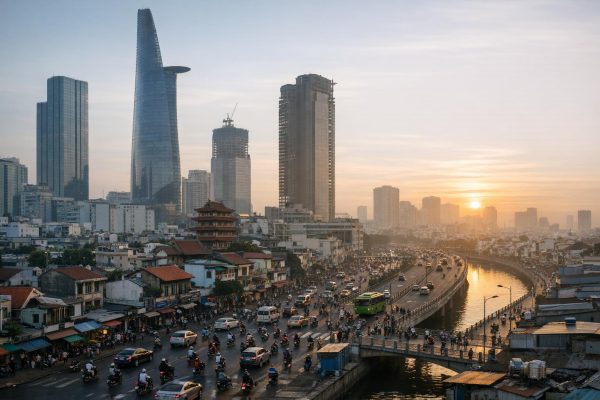
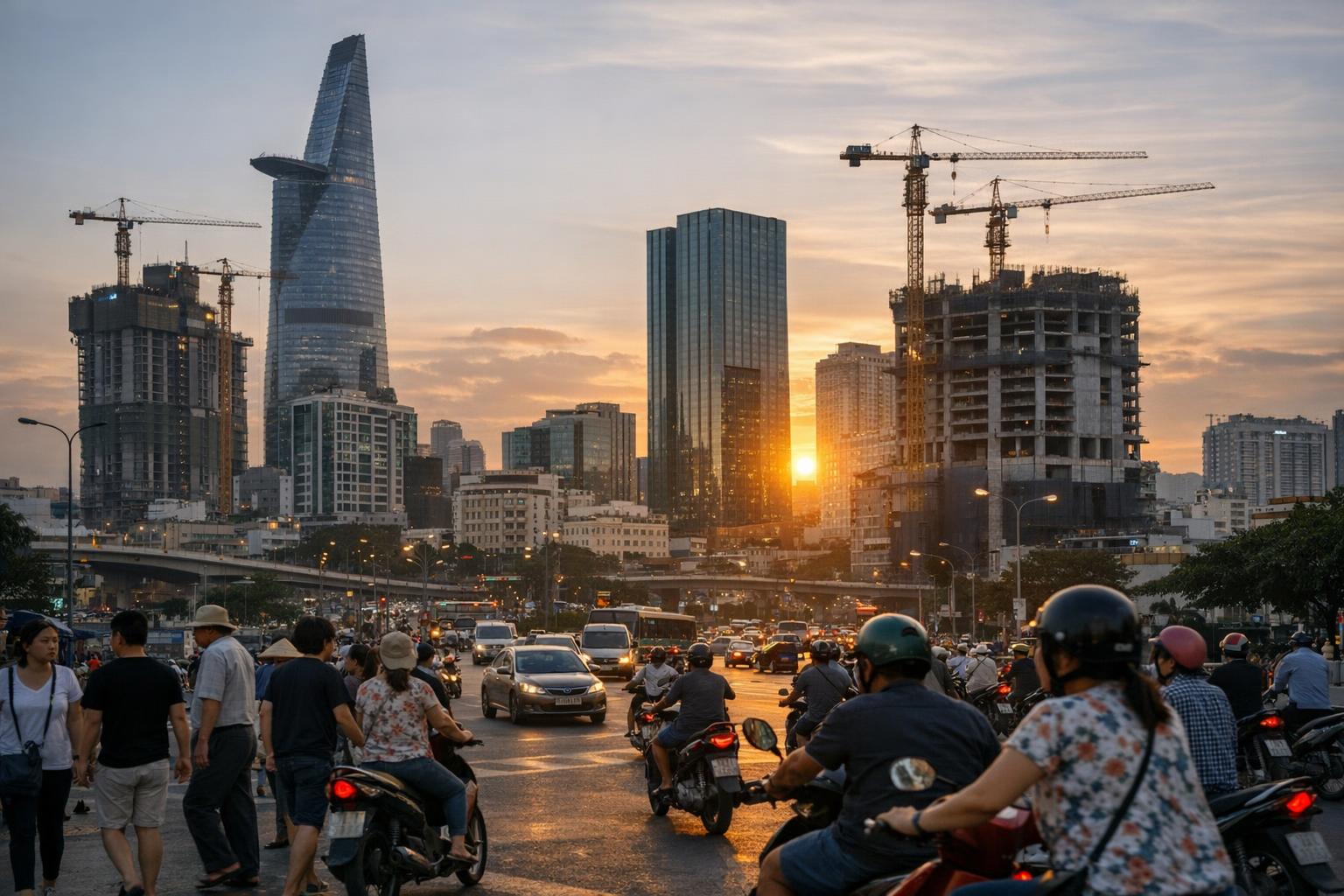
- Ho Chi Minh City – As the country’s economic powerhouse, Ho Chi Minh City boasts a large consumer market, developed infrastructure, and a robust services sector. Manufacturing clusters here focus on electronics, textiles, and processed foods. However, rising real estate prices and increasing labor costs present challenges that demand strategic planning.
- Hanoi – The political capital offers proximity to government agencies and a highly educated workforce. Hanoi’s strengths include technology, finance, and education sectors. Investors targeting high-tech or knowledge-intensive industries will find Hanoi’s environment conducive, though bureaucratic processes can be more complex.
- Da Nang – Positioned as a gateway to central Vietnam, Da Nang is emerging as a logistics and tourism hub. Its growing industrial parks and improving connectivity attract manufacturing and export-oriented businesses seeking lower operational costs compared to the southern and northern hubs.
- Hai Phong – A major port city near Hanoi, Hai Phong is critical for heavy industry and shipping. Its deep-water port facilitates global trade, making it attractive for export-centered manufacturing and maritime logistics.
Each city’s investment appeal is shaped by factors such as infrastructure quality, labor availability, regulatory incentives, and local government engagement. Investors should conduct detailed due diligence to align their strategic goals with the city’s economic profile.
The Labor Market: Balancing Cost, Skill, and Productivity
One of Vietnam’s most cited competitive advantages is its abundant labor force, often characterized as “low-cost.” However, a deeper look reveals a more nuanced reality:
- Wage Trends – While wages remain significantly lower than in China or Thailand, increases over the past decade reflect rising living standards and tightening labor markets, especially in urban centers. For example, the minimum wage in Ho Chi Minh City has seen double-digit percentage increases in recent years.
- Skill Levels – Vietnam’s education system produces a large pool of young workers with technical skills, particularly in engineering, IT, and manufacturing. Yet gaps remain in advanced skills, language proficiency, and soft skills, which can impact productivity and quality in high-value manufacturing or service sectors.
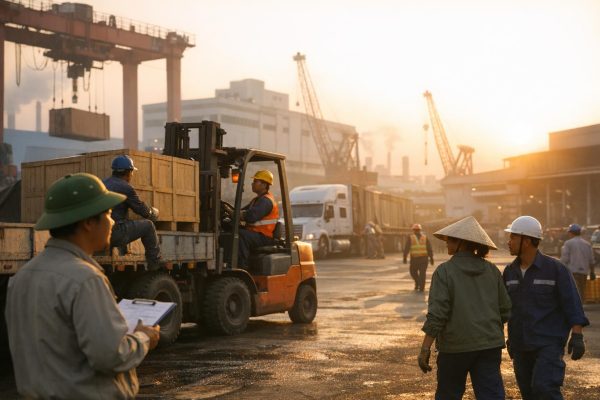
- Labor Mobility – Migration from rural to urban areas remains high, fueling labor supply in cities but also creating infrastructure and social challenges. Investors must consider labor retention strategies, including training, career development, and workplace conditions, to maintain a stable workforce.
- Regulatory Environment – Labor laws in Vietnam are evolving, with increasing protections for workers and requirements for social insurance. Compliance costs may rise, which investors should factor into operational budgets.
Investors benefit from partnerships with local vocational training centers and leveraging government programs aimed at workforce development. Understanding these dynamics helps avoid common pitfalls associated with underestimating labor complexities in Vietnam.
Practical Considerations for Foreign Investors
Beyond geography and workforce, several pragmatic factors influence investment success in Vietnam:
- Regulatory Landscape – Vietnam has made strides in improving its business environment, but foreign investors still encounter bureaucratic hurdles. Navigating investment licenses, land use rights, and tax incentives requires local expertise and patience.
- Cultural and Language Barriers – Effective communication is essential. Utilizing professional translation services improves contract clarity, compliance, and collaborative relations with local partners and authorities. Understanding local business etiquette and negotiation styles further smooths operations.
- Supply Chain Integration – Vietnam’s integration into global supply chains is accelerating, especially in electronics and apparel. Investors should evaluate logistical infrastructure, customs procedures, and supplier reliability to optimize cost and delivery times.
- Environmental and Social Governance (ESG) – Increasingly, Vietnamese regulators and global buyers demand adherence to ESG standards. Investments in sustainable practices can open access to premium markets and mitigate reputational risks.
Case Examples: Strategic Investments in Vietnam’s Cities
Consider a European electronics manufacturer establishing a production facility near Ho Chi Minh City. The company benefits from proximity to component suppliers and export ports but must invest significantly in worker training to maintain quality standards. By partnering with local training providers and adopting lean manufacturing techniques, the company improves productivity and reduces turnover.
Alternatively, a Japanese logistics firm targeting the Da Nang region capitalizes on the city’s emerging transport infrastructure and lower real estate costs. However, initial regulatory delays in customs approvals prompt the firm to engage local legal advisors and translation professionals, streamlining the onboarding process.
Leveraging Language Services to Bridge Investment Gaps
Clear communication is a critical enabler of successful foreign investment. Language barriers can complicate contract negotiations, regulatory compliance, and workforce training. This is where partnering with providers of professional translation services becomes indispensable. Accurate translations reduce misunderstandings, facilitate due diligence, and enhance stakeholder trust.
Moreover, understanding translation service pricing and choosing providers who combine linguistic expertise with industry knowledge ensures cost-effective and precise communication. This investment in language solutions often pays dividends by preventing costly delays or legal disputes.
Anticipating Vietnam’s Next Phase of Investment Growth
Vietnam’s investment landscape is evolving rapidly. Urban centers are transitioning from low-cost manufacturing hubs to innovation-driven economies emphasizing technology and sustainable development. Labor markets are tightening, pushing investors to prioritize workforce quality and retention. Regulatory reforms continue to improve transparency but demand enhanced local knowledge.
For investors, the challenge is to move beyond simplistic assumptions about cheap labor and generic opportunities. Success hinges on a sophisticated approach that integrates city-specific insights, labor market realities, and robust communication frameworks. Those who master this complexity will position themselves to capitalize on Vietnam’s emerging status as a global investment hotspot.
Deepening the Understanding of Vietnam’s Regulatory and Institutional Landscape
While the article touches on the regulatory landscape as a practical consideration, the intricacies of Vietnam’s regulatory and institutional environment deserve deeper exploration due to their profound impact on investment outcomes. The regulatory framework in Vietnam is characterized by rapid evolution, a blend of central and local government authority, and a unique interface between formal laws and informal practices. Understanding these dimensions is crucial for investors aiming to navigate the Vietnamese market effectively.
Complexity and Fragmentation of Regulatory Authority
Vietnam’s governance structure divides regulatory power between the central government and provincial or municipal authorities. While the central government sets broad policies and legal frameworks, local governments have significant discretion in implementation, interpretation, and enforcement. This decentralization can lead to variations in regulatory application across regions, affecting licensing procedures, land use approvals, tax incentives, and environmental compliance.
For example, an investor may find that the process to obtain investment certificates or construction permits differs markedly between Ho Chi Minh City and Da Nang, not only in duration but also in documentation requirements and procedural transparency. Such disparities require investors to develop tailored engagement strategies with local authorities and to maintain flexibility in project timelines.
Dynamic Legal Reforms and Their Implications
Vietnam has embarked on a series of legal reforms aimed at improving the business environment, including amendments to the Investment Law, Enterprise Law, and Labor Code. These reforms often introduce new compliance obligations, reporting standards, and labor protections. While these changes signal Vietnam’s commitment to aligning with international norms and attracting quality investment, they also impose adaptation costs.
Investors must remain vigilant about legislative updates and proactively adjust corporate governance, human resource policies, and financial reporting systems. For instance, increasing social insurance requirements and stricter labor contract regulations necessitate enhanced HR management and budget forecasting. Failure to comply can result in penalties, operational disruptions, or reputational damage.
Informal Practices and Relationship-based Governance
Despite formal laws, informal practices and relationship networks continue to influence business operations in Vietnam. Building trustful relationships with government officials, local communities, and business partners often facilitates smoother approvals, dispute resolution, and problem-solving. This cultural dimension underscores the importance of local knowledge, long-term engagement, and ethical conduct.
However, reliance on informal channels can pose risks, including perceptions of favoritism, corruption, or legal ambiguity. Investors must balance relationship-building with adherence to transparent and compliant practices, often leveraging local legal counsel and compliance experts to navigate this terrain.
Real-World Implications for Investors
The regulatory and institutional complexity in Vietnam translates into practical trade-offs. While the country offers attractive incentives and growth potential, investors face uncertainty regarding approval timelines, regulatory consistency, and enforcement predictability. These factors can affect project feasibility, cost structures, and risk management strategies.
For example, delays in land acquisition or construction permits can postpone production start dates, impacting revenue forecasts. Unexpected changes in tax policies or labor regulations may alter operational expenses. Moreover, inconsistent enforcement of environmental standards can expose investors to compliance risks or community opposition.
Community Impact and Corporate Responsibility
Vietnamese communities increasingly expect foreign investors to contribute positively beyond economic gains, including environmental stewardship, social welfare, and transparent engagement. Navigating the regulatory landscape with a proactive corporate social responsibility (CSR) approach can enhance community relations and license to operate.
Investors who integrate ESG considerations into their compliance frameworks not only meet regulatory expectations but also build goodwill that can mitigate risks associated with social unrest or environmental disputes. This approach aligns with global investor trends emphasizing sustainable and responsible investment.
Future Opportunities: Digitalization and Regulatory Innovation
Looking ahead, Vietnam is investing in digital government initiatives aimed at streamlining administrative procedures, enhancing transparency, and reducing bureaucratic burdens. The adoption of e-licensing platforms, online tax filing, and digital customs clearance promises to improve the investment climate.
Investors who engage with these digital tools early and advocate for regulatory clarity can gain competitive advantages by accelerating project timelines and reducing compliance costs. Moreover, active participation in policy dialogues and industry associations can influence regulatory reforms to better align with international best practices.
Understanding the Impact of Infrastructure Disparities on Investment Outcomes
While the article highlights the importance of city-specific economic profiles and regulatory nuances, one critical but underexplored factor influencing investment success in Vietnam is the disparity in infrastructure quality across regions. Infrastructure encompasses transportation networks, utilities, digital connectivity, and industrial facilities—all foundational to efficient business operations.
Causes of Infrastructure Variability
Vietnam’s rapid economic growth has led to uneven development of infrastructure. Major urban centers like Ho Chi Minh City and Hanoi benefit from relatively advanced road systems, ports, and power supply, whereas emerging hubs such as Da Nang and Hai Phong are still upgrading facilities. Rural and peri-urban areas often face significant gaps in reliable electricity, water access, and internet connectivity. This unevenness stems from historical investment patterns, budget constraints, and geographic challenges.
Real-World Implications for Investors
Infrastructure disparities translate directly into operational costs, supply chain reliability, and risk exposure. For example, inadequate transport links can cause delays in raw material delivery or product shipment, increasing inventory costs and reducing responsiveness to market demand. Intermittent power supply may necessitate investment in backup generators, raising capital expenditures and environmental footprints. Limited broadband access can hinder adoption of digital technologies critical for modern manufacturing and services.
Moreover, investors in regions with developing infrastructure must anticipate longer timelines for project completion and potential disruptions during construction phases of public works. This uncertainty can affect financing terms and stakeholder confidence.
Trade-Offs and Strategic Responses
Investors face trade-offs between locating in established urban centers with higher costs but superior infrastructure, versus emerging cities offering incentives and lower expenses but infrastructure challenges. Strategic responses include investing in on-site infrastructure improvements, collaborating with local governments to prioritize critical projects, or leveraging technology solutions such as renewable energy installations and private logistics networks.
Partnerships with infrastructure developers and participation in public-private initiatives can also align investor interests with regional development goals, creating shared value.
Community and Economic Impact
Improved infrastructure not only benefits investors but also enhances local communities’ quality of life and economic opportunities. Investments that incorporate infrastructure development can stimulate job creation, facilitate access to markets for small businesses, and support social services. Conversely, neglecting infrastructure needs risks community dissatisfaction and operational bottlenecks.
Future Opportunities
Vietnam’s government recognizes infrastructure as a cornerstone for sustained growth and is committing substantial resources to upgrading transport corridors, energy grids, and digital infrastructure. Emerging technologies such as 5G networks, smart logistics, and green energy offer new avenues to leapfrog traditional constraints. Investors who proactively integrate infrastructure considerations into site selection and operational planning will be better positioned to harness Vietnam’s full economic potential.