
Understanding Vietnam’s Competitive Edge: Affordable Labor as a Strategic Asset
Vietnam’s investment appeal in 2024 continues to hinge on its abundant and cost-effective labor force, a critical factor shaping foreign direct investment (FDI) decisions. Unlike other Southeast Asian economies where labor costs have escalated sharply, Vietnam maintains comparatively low wages without compromising on workforce quality. This dynamic creates a fertile ground for manufacturing, technology, and service sectors seeking to optimize operational costs while ensuring productivity.
Data from the General Statistics Office of Vietnam indicates that average monthly wages in industrial hubs hover between $250 and $350, markedly lower than in China or Thailand. This wage advantage is complemented by a young, increasingly skilled workforce, with technical education and vocational training becoming national priorities. Multinational corporations in electronics, apparel, and automotive sectors capitalize on this talent pool to build vertically integrated supply chains.
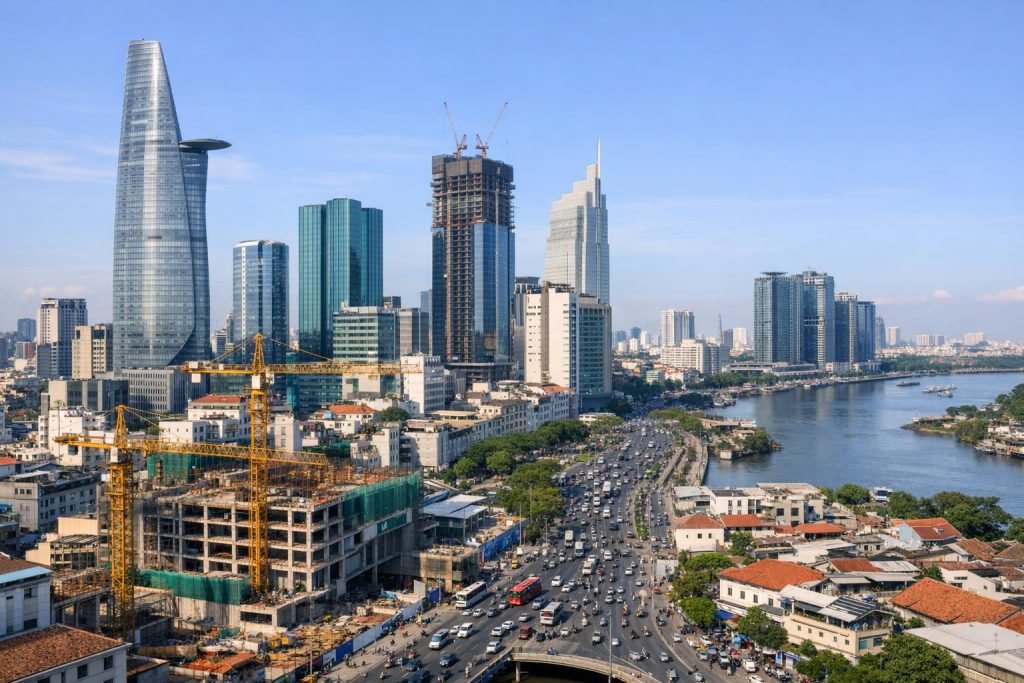
Balancing Cost and Capability
However, investors must consider that low wages are not universally consistent across Vietnam. Urban centers like Hanoi and Ho Chi Minh City command higher salary expectations due to living costs and competition for skilled labor. Consequently, these cities tend to attract more high-value-added industries, including finance, software development, and R&D facilities.
For businesses prioritizing labor-intensive manufacturing, emerging secondary cities offer compelling alternatives. Provinces such as Binh Duong, Dong Nai, and Hai Phong combine affordable labor with expanding industrial infrastructure and improved logistics connectivity. For example, Binh Duong has evolved from a traditional manufacturing base to an innovation hub, hosting over 3,000 foreign-invested projects, including key players in electronics assembly and machinery.
Key Vietnamese Cities for Strategic Investment in 2024
Vietnam’s urban landscape offers a varied palette for investors, each city bringing unique competitive advantages and challenges. The decision to invest in a particular city should align with industry focus, supply chain needs, and labor skill requirements.
Ho Chi Minh City: The Economic Powerhouse
As Vietnam’s largest metropolis, Ho Chi Minh City (HCMC) remains a magnet for investment in finance, technology, and services. Its mature infrastructure, extensive transport links including ports and airports, and dense concentration of universities underpin a vibrant business ecosystem. Though labor costs here are the highest nationally, the talent pool’s sophistication justifies the premium, especially for knowledge-intensive sectors.
Notably, the city’s startup scene is burgeoning, with incentives for tech innovation creating fertile ground for fintech, AI, and software companies. For firms requiring advanced language and technical translation, professional translation services based in HCMC add value by bridging linguistic and cultural gaps in international deals.
Hanoi: Political and Educational Hub
Vietnam’s capital, Hanoi, blends administrative significance with a strong educational foundation. Its universities produce a steady stream of graduates in engineering, IT, and business, making it attractive for R&D and corporate headquarters. The city is experiencing rapid urban expansion, with government-backed smart city initiatives enhancing digital infrastructure and quality of life.
Investors targeting Hanoi should consider the growing demand for specialized translation and interpretation, particularly in legal, technical, and financial sectors, to navigate regulatory frameworks effectively.
Secondary Cities: Binh Duong, Hai Phong, Da Nang
Beyond the megacities, secondary urban centers have garnered attention for their cost efficiency and development potential. Binh Duong and Dong Nai, located near HCMC, offer well-established industrial parks and lower wage scales, appealing to manufacturing companies seeking to scale without the congestion and cost of the city center.
Hai Phong, a northern port city, provides strategic access to maritime trade routes and is rapidly industrializing, with significant investments in shipbuilding and logistics. Da Nang, with a focus on tourism and technology, is carving out a niche in innovation and IT services, supported by a livable environment that attracts skilled professionals.
Labor Market Trends Impacting Investment Decisions
While Vietnam’s labor cost advantage remains a headline feature, evolving workforce dynamics require nuanced consideration from investors.
Rising Expectations and Skill Upgrading
Vietnamese workers increasingly seek improved working conditions, training, and career progression, especially in urban centers. This trend prompts companies to invest in workforce development programs to maintain retention and productivity. The government’s push for vocational education reform supports this shift, but investors must anticipate incremental wage growth accompanying skill acquisition.
Demographic Shifts and Urban Migration
Rural-to-urban migration continues to supply labor to industrial zones, but infrastructure strain and living costs in key cities could temper this flow. Secondary cities benefit from internal migration policies encouraging regional balance, enhancing their attractiveness as investment destinations.
Language Skills and Cross-Border Business
English proficiency is rising among younger Vietnamese workers, facilitating integration into global supply chains. This linguistic trend complements demand for sophisticated language solutions such as professional translation services and specialized interpretation, mitigating barriers in cross-border transactions and compliance.
Challenges and Opportunities in Vietnam’s Labor Market: A Deeper Analysis
While the allure of Vietnam’s affordable labor is well-documented, an underexplored dimension lies in the complex interplay between labor cost advantages and emerging socio-economic challenges that could shape the investment landscape over the coming decade. Understanding these factors is crucial for investors aiming to maximize returns while contributing positively to Vietnam’s economic and social fabric.
Causes Behind Rising Labor Costs and Workforce Expectations
Vietnam’s rapid economic growth has led to rising living standards and urbanization, which in turn elevate wage expectations. The government’s educational reforms and vocational training initiatives have successfully enhanced workforce capabilities, but these improvements also drive up labor costs as employees seek compensation commensurate with their skills. Moreover, increased awareness of labor rights and global standards has encouraged demands for better working conditions and benefits.
Global supply chain disruptions, such as those experienced during the COVID-19 pandemic, have also prompted companies to reconsider labor sourcing strategies, sometimes favoring automation or reshoring to mitigate risks. This dynamic pressures Vietnamese labor markets to evolve beyond just cost competitiveness to include quality, reliability, and flexibility.
Real-World Implications for Investors and Local Communities
For investors, the gradual erosion of Vietnam’s low-cost labor advantage necessitates a strategic pivot. Companies must balance wage inflation with productivity gains, often requiring investments in technology, employee training, and workplace improvements. Those who ignore these trends risk facing labor shortages, high turnover, and reputational damage from poor labor practices.
From a community perspective, rising wages and improved working conditions can contribute to poverty reduction and enhanced quality of life. However, if wage growth outpaces productivity or infrastructure development, it may lead to inflationary pressures and increased cost of living, potentially undermining the very labor cost advantage that attracted investment initially.
Trade-Offs and Strategic Considerations
Investors face practical trade-offs between maintaining low labor costs and fostering a motivated, skilled workforce. While secondary cities offer cheaper labor, they may lack the infrastructure, talent pool, or ecosystem needed for high-value industries. Conversely, urban centers provide better amenities and skills but at higher costs.
Investing in workforce development—through partnerships with local educational institutions or in-house training programs—can mitigate these trade-offs by enhancing productivity and employee loyalty. Additionally, embracing automation and Industry 4.0 technologies can offset rising labor costs but requires capital investment and a shift in workforce composition.
Future Opportunities: Toward Sustainable and Inclusive Growth
Vietnam’s labor market evolution presents opportunities for investors to pioneer sustainable business models that integrate economic, social, and environmental goals. Companies that prioritize fair wages, safe working conditions, and community engagement can build resilient operations and brand equity.
Moreover, as Vietnam deepens its integration into global value chains, demand for specialized skills—such as digital literacy, advanced manufacturing techniques, and multilingual communication—will grow. This trend opens avenues for investments in education technology, upskilling platforms, and professional translation services that facilitate cross-border collaboration.
Secondary cities, bolstered by government incentives and infrastructure upgrades, are poised to become innovation hubs complementing traditional centers. Investors proactive in these regions can benefit from lower costs and emerging talent pools, contributing to balanced regional development.
In sum, Vietnam’s labor market is transitioning from a purely cost-driven advantage to a more complex ecosystem where quality, sustainability, and strategic human capital management determine long-term success. Investors who anticipate and adapt to these dynamics will not only enhance their competitive positioning but also support Vietnam’s journey toward inclusive and resilient economic growth. For readers exploring this area, translation service pricing offers additional context.
Labor Market Sustainability and Social Equity: An Emerging Priority
Beyond the immediate economic considerations, a critical yet underexplored issue in Vietnam’s labor market is the sustainability of its labor cost advantage in the context of social equity and long-term economic resilience. As Vietnam’s economy matures, the interplay between labor affordability and equitable social development will increasingly influence investment outcomes and community well-being.
One root cause of this dynamic is the uneven distribution of economic gains across regions and social groups. While urban centers and industrial zones experience rapid growth and wage increases, rural areas and informal sectors often lag behind, perpetuating income disparities. This imbalance can fuel internal migration pressures, strain urban infrastructure, and create social tensions that indirectly affect business operations through labor unrest or workforce instability.
For investors, recognizing these social equity challenges is vital. Sustainable labor sourcing requires engagement with local communities to ensure that employment opportunities translate into meaningful improvements in living standards. Companies that invest in fair wages, health and safety standards, and community development initiatives can foster a stable labor environment, reduce turnover, and enhance corporate reputation.
Moreover, the Vietnamese government’s increasing emphasis on social protection programs and labor rights enforcement signals a shift toward more inclusive growth models. Compliance with evolving labor regulations, including occupational health standards and social insurance coverage, represents both a challenge and an opportunity for investors to align with international best practices.
Practical trade-offs emerge as companies weigh short-term cost savings against the benefits of a socially responsible labor strategy. While higher labor costs may appear as a disadvantage initially, they can be offset by gains in workforce motivation, reduced absenteeism, and enhanced productivity. Additionally, socially responsible enterprises are better positioned to navigate reputational risks and access global markets that prioritize ethical supply chains.
Looking ahead, opportunities arise in fostering partnerships between investors, government agencies, and civil society to develop labor market policies that balance competitiveness with social justice. Innovations such as inclusive vocational training programs targeting marginalized groups, gender equity initiatives, and community-based health schemes can contribute to a more resilient labor ecosystem.
In the broader community context, advancing social equity through labor market interventions supports poverty alleviation and reduces vulnerability to economic shocks, thereby strengthening the socio-economic fabric that underpins Vietnam’s long-term growth. For investors, this translates into a more predictable and supportive business environment.
In conclusion, integrating social equity considerations into labor market strategies is not merely a corporate social responsibility exercise but a pragmatic approach to sustaining Vietnam’s attractiveness as an investment destination. By embracing this holistic perspective, investors can contribute to building a labor market that is not only cost-effective but also equitable, sustainable, and conducive to shared prosperity.
Practical Implications for Investors
Investors venturing into Vietnam must adopt a localized, flexible approach to labor and city selection. Industrial sectors benefit from proximity to supply chains and labor cost efficiency, while service-oriented and tech sectors prioritize urban centers with skilled human capital and infrastructure.
- Conduct granular labor market analysis: Understand wage variations, skill availability, and turnover rates in target cities.
- Leverage government incentives: Engage with industrial zones offering tax breaks and streamlined procedures, particularly in secondary cities.
- Invest in workforce development: Partner with local training institutions to upskill employees, enhancing productivity and retention.
- Utilize professional translation services: Ensure seamless communication and compliance in a multilingual business environment.
Vietnam’s investment landscape in 2024 reveals a sophisticated balance between cost, capability, and urban dynamics. The labor market’s low-cost advantage is nuanced by rising skill demands and urbanization patterns, while city-specific factors dictate strategic fit for diverse industries.
As Vietnam integrates deeper into global value chains and embraces digital transformation, investors who navigate labor and location intricacies with expertise will be positioned to harness sustainable growth. The evolving urban labor markets suggest future shifts in investment hotspots, with secondary cities poised to emerge as vital nodes complementing traditional economic centers.