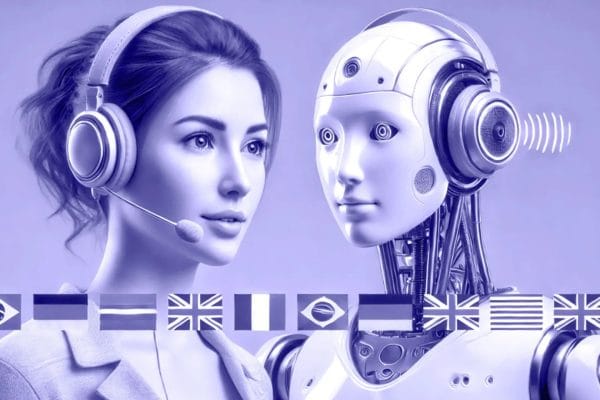
The first time I watched a negotiator depend on an AI voice in her ear, the air in the room changed. It was a winter afternoon, the kind of pale light that makes polished tables look like frozen ponds. Delegations from three countries sat rigidly in their chairs, microphones angled like spears. The opening remarks were smooth; scripts always are. But the moment a minister tossed in a playful idiom—its meaning clear only to hometown listeners—the soft mechanical whisper in my colleague’s earpiece paused, then delivered a clumsy line that made two aides stiffen. Our eyes met. She took a breath, repeated the idea in calmer, simpler words, and the tension dissolved. Afterward, she said, I want the speed, but I need the sense. That’s the promise and the puzzle of AI interpreters in diplomacy and international relations: the desire for rapid, inclusive communication, and the duty to preserve intention, nuance, and dignity. If you’re starting your journey in language work, this is the crossroads you’re entering: rooms filled with history, urgency, and now, algorithms. This story isn’t about replacing you; it’s about equipping you. I’ll show you how awareness turns into method, and method into practice, so you can step into such rooms ready to add human judgment to digital speed.
Whispers at the table: how AI steps into the diplomatic room. Picture the room again, but stand behind the scenes this time. Headsets lined up like seashells. Tablets running speech recognition: one for each language, each with a domain-specific glossary loaded by a staffer who was up long before sunrise. AI can capture prepared remarks astonishingly well—when the acoustic conditions are clean and the speaker sticks to the script. But diplomacy rarely stays tidy. Accents drift, metaphors bloom, side comments erupt. Latency becomes a character in the drama, because a one-second lag can be fine for a greeting yet dangerous during a heated exchange about maritime rights. In one regional climate forum I observed, an AI system turned the word sanctions into sanctuaries, and a delegate’s eyebrows nearly touched his hairline. A human aide leaned in, gently recast the message, and the conversation survived.
Here is what beginners often miss: the room itself sets the rules. Protocol determines whether direct address is appropriate. Seating charts decide who hears whom most clearly. Microphone etiquette, glossaries vetted by legal teams, and pre-briefs about sensitive terms—all of these shape whether a machine’s output helps or harms. For learners, awareness starts with listening beyond words. Does this minister prefer a ceremonious register? Does that envoy repeat key phrases for emphasis, or to test reactions? AI can stream a river of words, but your job is to watch the banks: the emotional undertow, the shift in formality when a conversation moves off script, the sudden silence that signals disagreement. When you understand the room, you can predict where technology is likely to stumble—and where you must step in.
Training with the machine without losing your human ear. If awareness is the map, practice is the road. Begin with short speeches on open government channels and reputable think tanks; many are recorded in clear audio. Use a speech-to-text app to generate live captions, then shadow the speaker out loud while watching the transcript flow. Notice the lag; feel how your mind wants to compress a five-clause sentence into two. Record yourself and compare. Your aim isn’t to imitate a robot; it’s to develop a reliable rhythm: catch the idea, compress the structure, preserve the intent. Try a “three-pass” method: first pass for gist, second for structure, third for nuance. Over time, you’ll reduce the passes until you can deliver the message smoothly in near real time.
Next, build a domain glossary that doesn’t read like a dictionary but like a guidebook. Organize by themes diplomats actually discuss: maritime boundaries, green finance, sanctions regimes, cultural heritage, humanitarian corridors. For each term, add collocations and set phrases used in formal settings. Pair these with short, flexible paraphrases so you can recover when a device yields an awkward string. For example, if a model offers a muddled line about burden sharing in climate funding, have two clean variants ready: one policy-precise, one audience-friendly. Practice switching registers: ceremonial, neutral, and plainspoken. Record drill sessions where you restate the same policy point in all three.
Finally, simulate the settings you’re training for. Listen through a single earbud while a fan hum or café noise runs in the background to mimic imperfect rooms. Set your device to a slightly longer lag and then a shorter one, learning how your attention changes. Practice hand signals or minimal verbal cues with a partner acting as a principal: slow down, clarify, repeat. This is crucial because real rooms don’t pause for your app to catch up. By training your voice, your attention, and your crisis-recovery phrases, you turn AI from a crutch into a teammate.
From practice to protocol: applying AI–human teamwork in real encounters. When you step into an actual diplomatic setting, everything you rehearsed meets protocol. Start with a pre-brief checklist. Who sits where? Which devices are approved on site? Is on-device processing required for confidentiality? Are there words that must be retained verbatim for legal reasons, and others that should be softened to avoid escalation? Confirm the cadence of turn-taking: Will principals read short statements, or is this a free-form negotiation? If it’s the latter, set expectations early: you will prioritize clarity over literal phrasing and flag uncertain segments before they calcify into misunderstandings. That last part saves relationships.
During the meeting, treat the AI feed like a strong but fallible colleague. Trust it for names and numbers when the audio is clean; distrust it when jokes, metaphors, or regional idioms enter. If the output turns slippery, use a brief repair line: With your permission, I’ll restate the core point in simpler terms. Then render the meaning cleanly and check for nods. Keep your tone steady. A rising pitch, even from fatigue, can read as skepticism in some cultures. If you catch a term drifting into ambiguity—say, the word guarantee floating between political assurance and legal obligation—pause and ask: Do we mean a formal, enforceable commitment? That single question can redirect hours of debate.
After the meeting, your role pivots from real-time relaying to consolidation. Review the log the AI captured, compare it with your notes, and create a concise summary with the agreed-upon definitions. If a sensitive phrase appeared, document how it was understood in context; future sessions will depend on that shared memory. Debrief with the tech lead too: which microphones underperformed, which accents confused the model, which glossary entries need sharper examples. This habits-of-improvement loop is what makes you valuable: you turn messy encounters into better systems and smoother next rounds. And if you are junior, remember that diplomacy rewards discretion; protect the room by confirming what can be saved, where it can be saved, and who signs off.
The journey ahead is both old and new. The old part is the craft of listening for intent, sense, and dignity. The new part is learning how to ride alongside a machine without letting it drive. When the meeting ends and officials ask for a certified translation of the communique, the speed of your tools will matter—but the trust you build in the room will matter more. Think back to that winter afternoon and the minister’s idiom. Technology stumbled, a human steadied it, and the conversation kept faith with what the speakers meant to say. That is the heart of this work.
If you are just starting, begin with one habit this week: shadow a two-minute policy speech daily, keep a growing glossary by theme, and practice a single repair line until it feels natural. Next week, add a simulated noise environment and rehearse with a friend playing an impatient delegate. In a month, you’ll hear the difference: your voice will settle, your paraphrases will sharpen, and your decisions about when to lean on the device and when to override it will come faster and gentler. Share your questions or your training tricks with fellow learners, and keep testing your setups. The world’s most delicate conversations will always need calm, capable humans; now they also need humans who can coach the machines. Step into that role, and you won’t just keep up with change—you’ll shape how the future of diplomacy sounds.