Vietnam’s Rising Profile as an Investment Destination
Vietnam has emerged over the past decade as one of Southeast Asia’s most attractive destinations for foreign direct investment (FDI). Its strategic location, robust economic growth averaging over 6% annually pre-pandemic, and a government committed to market reforms have drawn considerable global attention. Yet, beyond headline GDP figures lies a complex landscape of opportunities and challenges that investors must navigate carefully.
Why Vietnam? Breaking Down the Investment Appeal
Foreign investors are increasingly drawn to Vietnam for several interrelated reasons. First, the country offers access to a large and young population exceeding 100 million, with a median age around 32 years. This demographic dividend translates into a dynamic labor force that is both sizable and increasingly skilled.

Second, Vietnam’s integration into global trade frameworks, including membership in the Comprehensive and Progressive Agreement for Trans-Pacific Partnership (CPTPP) and free trade agreements with the EU and others, facilitates export-oriented manufacturing and service sectors.
Third, the government’s push to improve the ease of doing business and reduce bureaucratic hurdles has fostered a more welcoming environment for foreign enterprises, although some regulatory complexities remain.
Key Cities Worth Considering for Investment
While Ho Chi Minh City and Hanoi have traditionally dominated investor interest, other cities are gaining traction as viable alternatives due to cost, infrastructure improvements, and sectoral specialization.
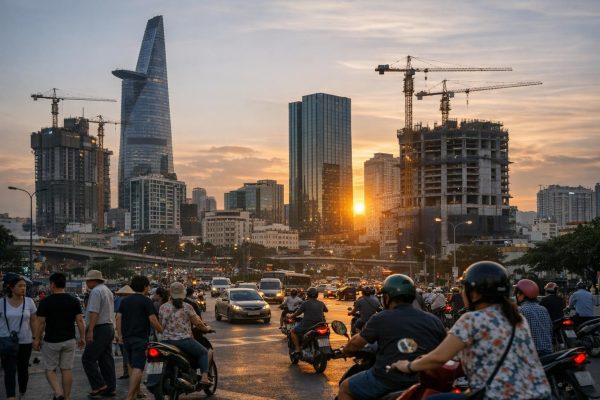
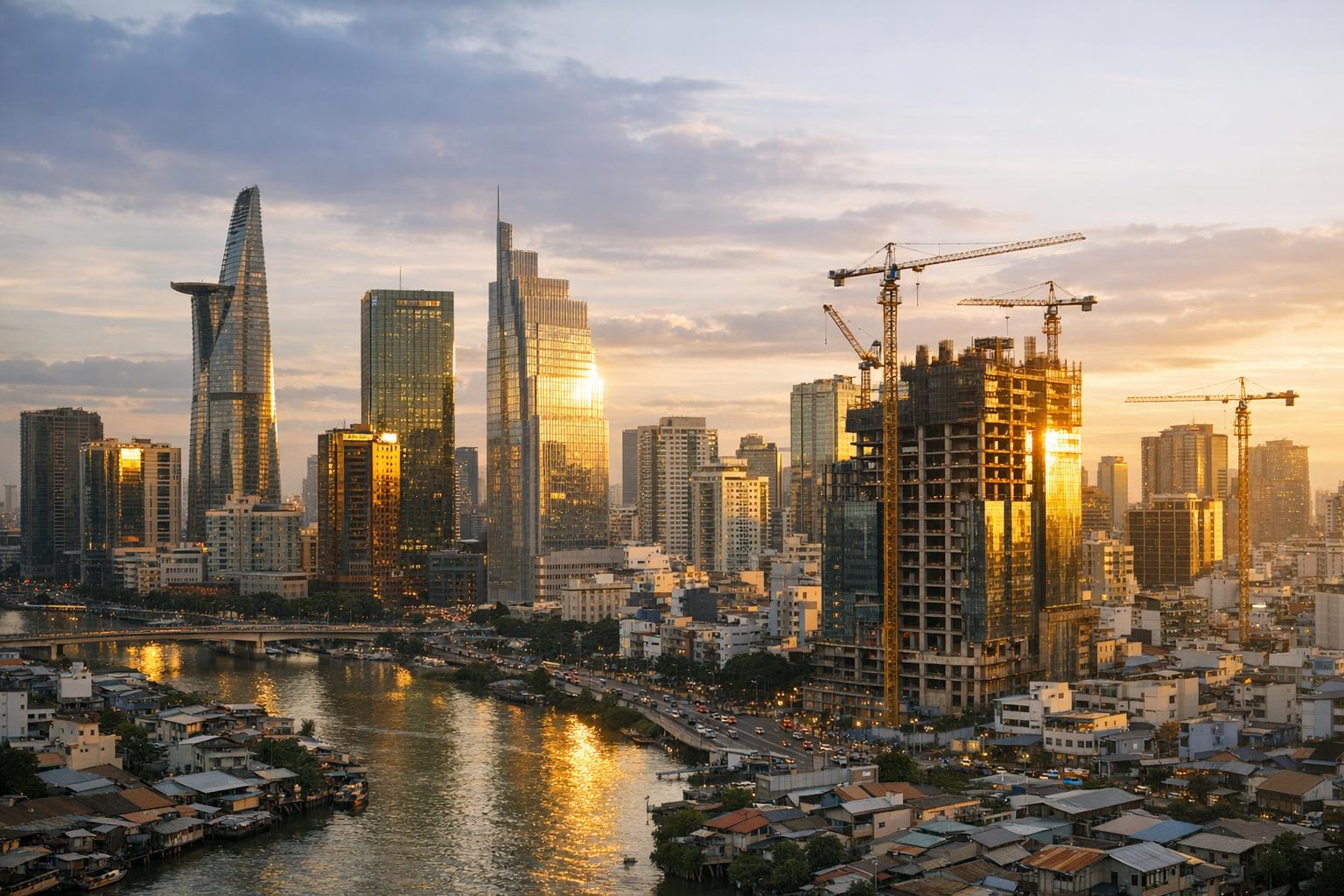
- Ho Chi Minh City: As Vietnam’s economic powerhouse, it hosts a vibrant service sector, manufacturing hubs, and a rapidly growing startup ecosystem. The city’s well-developed infrastructure and logistics networks provide a competitive edge but come with relatively higher labor and real estate costs.
- Hanoi: The political capital benefits from strong government presence, educational institutions, and a growing technology and software industry. Its labor market is relatively cost-effective compared to Ho Chi Minh City, attracting companies seeking a balance between quality and expense.
- Da Nang: Positioned as a technology and tourism hub, Da Nang offers a lower cost of living and labor along with improving infrastructure. Its coastal location supports sectors like logistics and export manufacturing.
- Binh Duong Province: Adjacent to Ho Chi Minh City, Binh Duong is an emerging industrial center with numerous industrial parks that attract manufacturing investment, especially in electronics and textiles, benefitting from lower land and labor costs.
- Hai Phong: As Vietnam’s northern port city, Hai Phong is strategically important for export-oriented industries and heavy manufacturing, supported by deep-water ports and growing industrial zones.
These cities exemplify Vietnam’s regional diversification of investment opportunities, allowing companies to target specific sectors and cost structures.
Labor Market Dynamics: The Appeal of Cost-Effective Skilled Workers
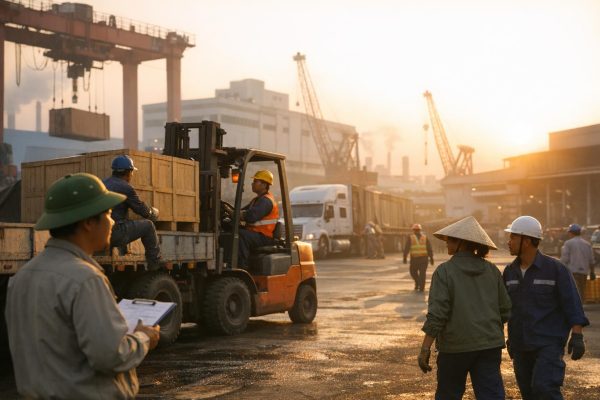
One of Vietnam’s most significant advantages for investors is its abundant labor force characterized by competitive wage levels. According to various industry reports, average manufacturing wages in Vietnam remain substantially lower than in China and many ASEAN neighbors, providing companies with cost savings without compromising output quality.
However, the labor market is evolving. The government has invested heavily in vocational training and higher education, gradually improving workforce skills, particularly in technology, electronics, and services sectors. This transition is critical for moving Vietnam up the value chain beyond low-cost manufacturing.
Yet, challenges persist. Rapid industrialization has led to labor shortages in certain specialized fields, increasing wage pressures in urban centers. Moreover, foreign investors often face hurdles related to labor regulations, union negotiations, and cultural differences in management practices.
Practical Implications for Investors
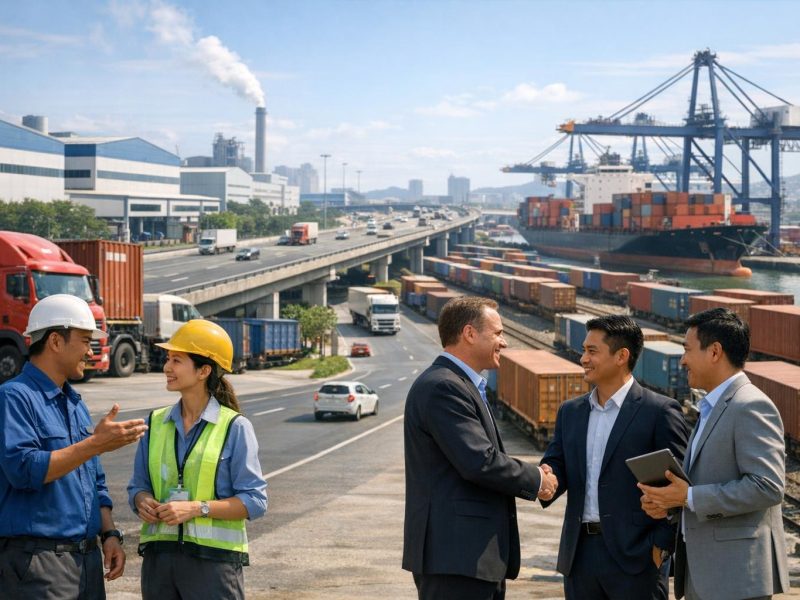
For companies considering investment in Vietnam, understanding the nuanced interplay between location, labor availability, and regulatory environment is crucial. Choosing the right city depends on the sector focus, supply chain considerations, and long-term strategic goals.
For example, a high-tech manufacturing firm may prioritize Hanoi or Da Nang for their growing pools of engineers and tech talent, while a garment manufacturer might find Binh Duong or Hai Phong more cost-effective due to established industrial zones and lower wage scales.
Moreover, integrating professional translation services early in the investment process can smooth communication with local authorities, labor representatives, and partners. This is especially relevant given the complexity of Vietnamese regulations and the need for clear multilingual documentation. Leveraging expert translation service pricing can optimize the cost-benefit balance without compromising accuracy.
Counterpoints and Emerging Risks
Despite its promise, Vietnam is not without risks. Infrastructure gaps remain in some areas, particularly outside major cities, which can affect logistics and supply chains. Environmental regulations and land acquisition processes can be opaque and time-consuming, sometimes leading to project delays.
Furthermore, as Vietnam’s labor costs rise, the country risks losing its competitive edge to lower-cost neighbors unless productivity gains keep pace. Investors should factor in potential wage inflation and consider automation or skill development strategies to sustain profitability.
Labor Quality and Workforce Challenges: A Deeper Examination
While Vietnam’s cost-effective labor force remains a cornerstone of its investment appeal, the qualitative aspects of its workforce require closer scrutiny. The rapid pace of industrialization and economic transformation has exposed several underlying challenges related to labor quality, workforce adaptability, and social infrastructure that can critically impact investment outcomes.
Causes and Context: Vietnam’s education system, although improving, still faces disparities in quality and relevance. The focus on traditional academic pathways often leaves vocational and technical training underdeveloped, resulting in a mismatch between available skills and industry demands. Additionally, the rapid shift from agriculture to manufacturing and services has created a labor market where many workers lack experience with modern production technologies and workplace norms.
Moreover, regional disparities exacerbate these issues. Urban centers like Hanoi and Ho Chi Minh City attract more skilled labor and better educational institutions, while rural and less-developed provinces struggle to supply adequately trained workers. This uneven distribution can increase recruitment costs and limit expansion options for investors targeting specific regions.
Implications for Investors: The quality of labor directly influences productivity, product quality, and operational efficiency. Investors relying solely on low wage costs without accounting for skill gaps risk encountering higher training expenses, increased error rates, and slower production cycles. For example, sectors such as electronics manufacturing and software development require precise technical competencies and problem-solving abilities that are still emerging in Vietnam’s workforce.
Furthermore, workforce adaptability to new technologies and automation is critical. As global supply chains increasingly emphasize Industry 4.0 standards, the ability of Vietnamese workers to engage with digital tools, robotics, and data analytics will determine the country’s competitiveness. Investors may need to invest in upskilling programs or partner with local educational institutions to bridge these gaps—actions that add complexity but can yield long-term benefits.
Community and Societal Impact: Addressing labor quality challenges also intersects with broader social objectives. Improving vocational education and workforce skills can elevate living standards, reduce unemployment, and stimulate local economies. However, rapid industrial growth without adequate social infrastructure—such as healthcare, housing, and transportation—can strain communities, leading to social tensions and labor unrest.
Investors who engage with community development initiatives and collaborate with government programs can foster more stable operating environments. Such partnerships can enhance corporate social responsibility profiles and contribute to sustainable development goals, aligning business success with societal well-being.
Practical Trade-offs and Strategic Considerations: Enhancing labor quality often involves trade-offs between short-term costs and long-term gains. While Vietnam’s low wages present immediate cost advantages, investing in employee training, improved working conditions, and technology adoption requires upfront capital and time. Businesses must balance these factors against competitive pressures and market timelines.
Additionally, reliance on low-cost labor may become increasingly untenable as wage inflation accelerates. Strategic investors are thus exploring hybrid approaches that combine moderate labor costs with productivity enhancements through automation and process innovation. This shift demands careful workforce planning and change management to avoid disruptions.
Future Opportunities: Vietnam’s government recognizes these challenges and is actively promoting initiatives to upgrade workforce skills and attract high-value industries. Programs aimed at expanding vocational training centers, incentivizing STEM education, and fostering public-private partnerships present opportunities for investors to integrate workforce development into their strategies.
Moreover, the rise of digital platforms and e-learning opens new avenues for scalable skill enhancement, enabling companies to customize training programs efficiently. Investors who proactively leverage these trends can position themselves as leaders in workforce excellence, gaining a competitive edge in the region.
In summary, while Vietnam’s labor market offers cost advantages, its evolving quality and skill profile require nuanced understanding and strategic engagement. By addressing workforce challenges thoughtfully, investors can unlock greater productivity, innovation, and sustainability in their operations, contributing positively to both business outcomes and community development.
Infrastructure and Supply Chain Resilience: An Underexplored Dimension
While much attention has been given to Vietnam’s labor market and regulatory environment, the critical role of infrastructure and supply chain resilience remains underexplored yet pivotal for investment success. The country’s rapid economic growth has placed immense pressure on its physical and logistical frameworks, revealing both strengths and vulnerabilities that investors must carefully evaluate.
Causes and Context: Vietnam’s infrastructure development has accelerated in recent years, with significant investments in roads, ports, airports, and industrial parks. Strategic projects such as the expansion of deep-water ports in Hai Phong and Cai Mep-Thi Vai, the development of expressways connecting major economic zones, and improvements in telecommunications have enhanced connectivity and operational efficiency.
However, the pace of infrastructure growth has not uniformly matched the surging demand from industrial expansion and urbanization. Bottlenecks persist, especially in secondary cities and rural areas that are increasingly targeted for investment due to rising costs in major hubs. Additionally, the country’s vulnerability to climate change—manifested in flooding, typhoons, and rising sea levels—poses risks to infrastructure durability and continuity of operations. For readers exploring this area, translation service pricing offers additional context.
Implications for Investors: Infrastructure quality directly affects supply chain reliability, cost structures, and time-to-market. Delays in transportation, customs clearance inefficiencies, and energy supply interruptions can erode profit margins and damage customer relationships. For export-oriented industries, port capacity and hinterland connectivity are especially critical, influencing site selection and logistics planning.
Investors should conduct thorough due diligence on local infrastructure conditions, including road quality, power grid stability, and availability of modern warehousing and cold chain facilities. Proximity to reliable ports and airports can be a decisive factor, particularly for perishable goods and just-in-time manufacturing models.
Moreover, supply chain resilience has gained prominence amid recent global disruptions. Vietnam’s integration into diversified global value chains means that interruptions—whether from pandemics, geopolitical tensions, or natural disasters—can cascade through operations. Companies must evaluate the robustness of local suppliers, availability of alternative routes, and capacity for rapid response to disruptions.
Community and Economic Impact: Infrastructure investments not only benefit businesses but also contribute to regional development and social welfare. Improved transport links facilitate labor mobility, market access for local producers, and integration of remote communities into the national economy. Conversely, inadequate infrastructure can exacerbate regional inequalities and limit inclusive growth.
Engaging with local authorities and participating in public-private partnerships can enable investors to support infrastructure improvements that align with their operational needs while fostering community goodwill.
Practical Trade-offs and Strategic Considerations: Investing in locations with developing infrastructure may offer lower land and labor costs but entail higher logistical risks and potential delays. Conversely, established hubs with superior infrastructure often command premium costs and face congestion challenges.
Investors must balance these trade-offs in light of their supply chain complexity, sensitivity to lead times, and tolerance for operational risk. Incorporating infrastructure assessments into site selection and risk management frameworks is essential for sustainable investment decisions.
Future Opportunities: Vietnam’s commitment to infrastructure modernization continues through initiatives like the National Master Plan on Transport Development and increased foreign investment in infrastructure projects. Emerging technologies such as smart logistics, digital supply chain management, and green infrastructure offer avenues for innovation and efficiency gains.
Investors who collaborate with technology providers and local stakeholders to pilot advanced infrastructure solutions can enhance supply chain resilience and reduce environmental impact, positioning themselves as forward-thinking leaders in Vietnam’s evolving investment landscape.
In conclusion, infrastructure and supply chain resilience represent a foundational but often underappreciated dimension of Vietnam’s investment potential. A comprehensive understanding and proactive management of these factors will be critical for investors aiming to maximize returns while contributing to Vietnam’s sustainable economic development.
Looking Ahead: Vietnam’s Investment Landscape in a Changing Global Context
Vietnam’s strategic positioning as a manufacturing and service hub in Southeast Asia is poised to strengthen, especially as global supply chains diversify in response to geopolitical tensions and pandemic-induced disruptions. The country’s commitment to trade liberalization and workforce development positions it well to capture these shifts.
Investors who engage deeply with local market realities—balancing cost considerations, city-level dynamics, and human capital trends—will find Vietnam a fertile ground for sustainable growth. Harnessing professional translation services can further bridge cultural and regulatory gaps, enabling smoother market entry and ongoing operations.
Ultimately, Vietnam’s investment potential will hinge on how effectively businesses can adapt to evolving labor markets, infrastructure developments, and regulatory frameworks. Those who anticipate and integrate these factors into their strategic planning will unlock the country’s full potential beyond mere cost arbitrage, contributing to long-term success in a vibrant and dynamic economy.