Precision Under Pressure: The Interpreter’s Crucial Role at Vietnam’s International Summits
When Vietnam hosts international summits attended by presidents, prime ministers, and diplomats from around the globe, the stakes are extraordinarily high. Every word spoken can influence geopolitical relations, economic partnerships, and international perceptions. At the heart of this delicate communication ecosystem are diplomatic interpreters, whose expertise in protocol, terminology, and confidentiality ensures that dialogue flows flawlessly across languages and cultures.
Unlike everyday translation tasks, diplomatic interpreting at Vietnam’s summits demands rigorous preparation and an acute awareness of the nuances of international protocol. This article investigates the meticulous standards and skills interpreters bring to these high-profile events, revealing how their work supports Vietnam’s global diplomatic efforts with precision and professionalism.
Understanding the Diplomatic Landscape: Protocol and Terminology
Diplomatic meetings are governed by strict protocols that dictate not only the sequence of speeches and interventions but also the tone, formality, and terminology used. Interpreters must internalize these rules to avoid missteps that could inadvertently cause offense or diplomatic friction.
For example, during the 2023 ASEAN Summit hosted in Hanoi, interpreters prepared extensively on the precise titles and ranks of visiting dignitaries, ensuring they addressed each leader with the appropriate honorifics in Vietnamese and other languages. This attention to protocol is essential to maintaining respect and smooth interactions.
Terminology preparation goes beyond political titles. Interpreters study specialized diplomatic language, economic terms, and legal jargon relevant to the summit agenda. For Vietnam’s bilateral meetings with foreign governments, this might include trade terms, environmental agreements, or security protocols translated with exactitude to prevent misunderstandings.
Simultaneous vs. Consecutive Interpreting: Choosing the Right Mode
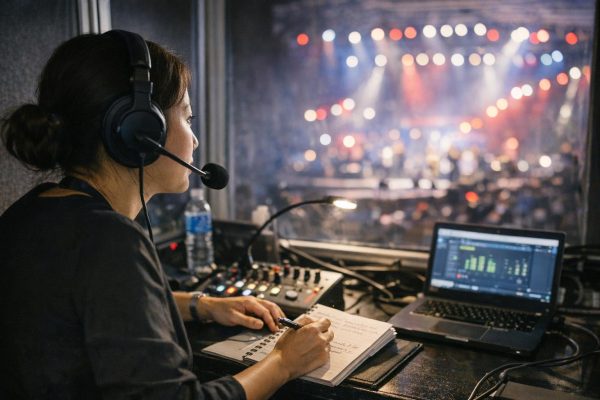
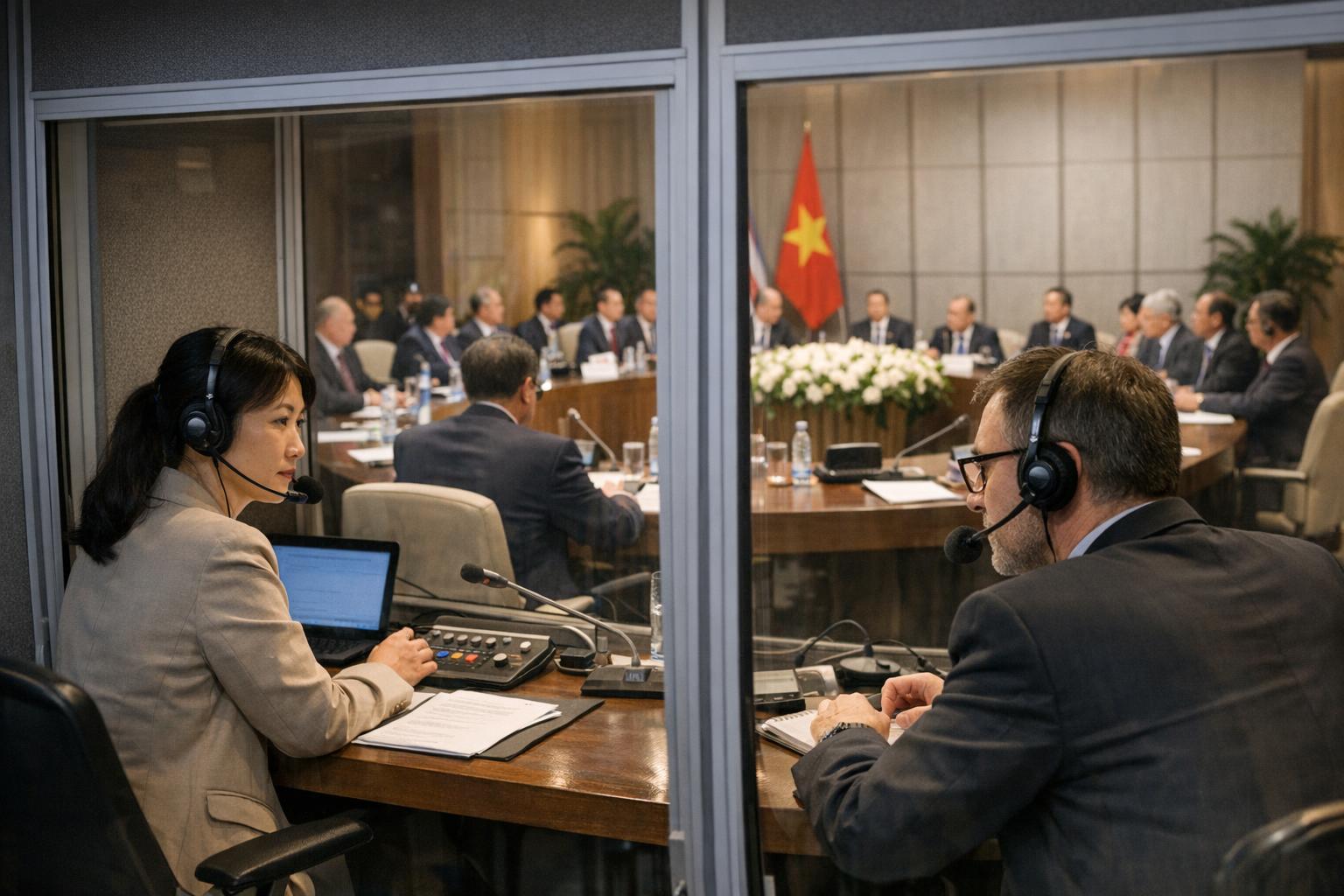
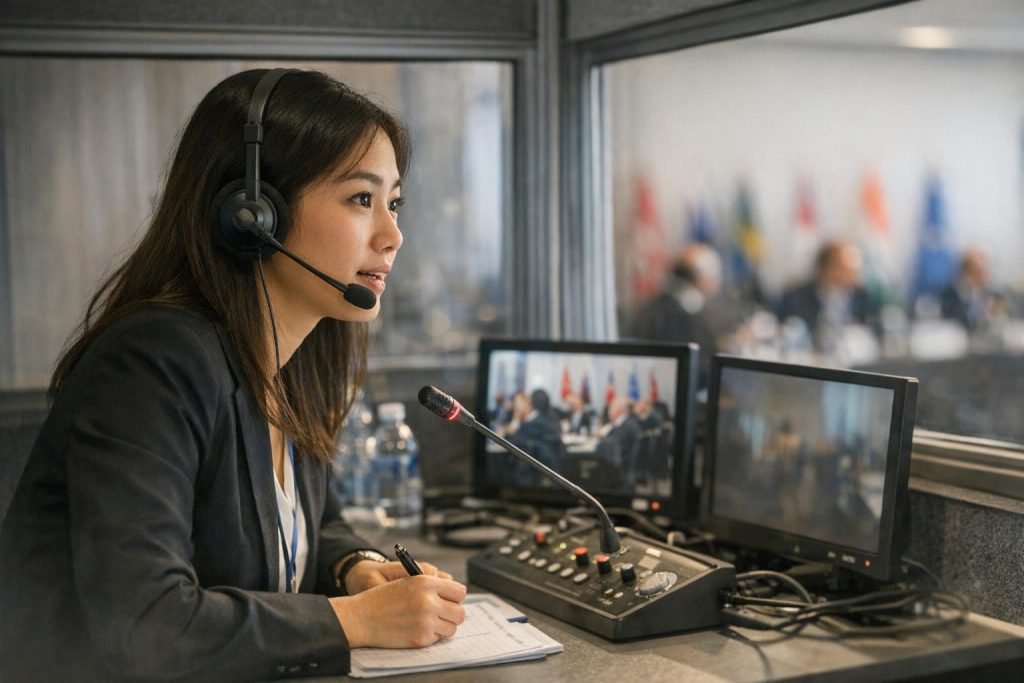
Interpreting at summits typically involves simultaneous interpreting, where interpreters translate speeches in real-time, often through soundproof booths. This method allows discussions to proceed without interruption, critical during tightly scheduled, multilateral talks.
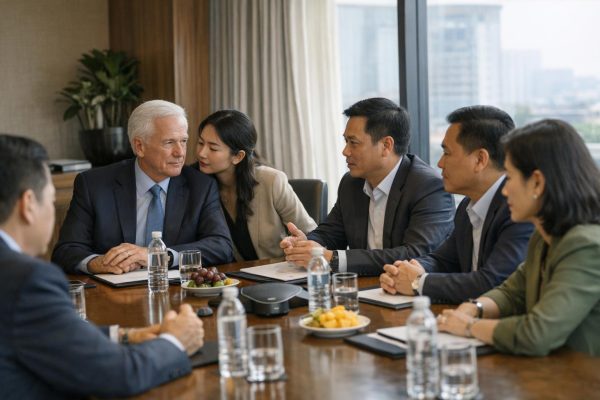
However, consecutive interpreting—where the speaker pauses for interpretation—remains vital in smaller or bilateral sessions where subtlety and nuance are paramount. Interpreters must be adept at both modes, switching seamlessly based on the summit’s format and the specific diplomatic context. For instance, during a 2022 bilateral meeting between Vietnam and Japan, consecutive interpreting was preferred to allow careful negotiation of sensitive trade issues.
Confidentiality and Ethical Standards in Diplomatic Interpreting
Confidentiality is non-negotiable. Interpreters at Vietnam’s summits are often privy to classified information and behind-the-scenes negotiations. Maintaining strict discretion protects national interests and builds trust with foreign partners.
Professional codes of ethics mandate that interpreters keep all information confidential, refusing to disclose or use knowledge gained during assignments. Breaches can have severe diplomatic repercussions and damage the interpreter’s career irrevocably.
Strategies to Avoid Interpretation Errors
The consequences of misinterpretation in diplomacy can range from minor embarrassment to serious diplomatic incidents. Interpreters employ several strategies to minimize errors:
- Extensive Preparation: Interpreters receive briefing documents, speeches, and background materials in advance, allowing them to anticipate terminology and sensitive topics.
- Terminology Glossaries: Creating customized glossaries for each summit ensures consistency and accuracy across languages.
- Team Coordination: Interpreters work in teams for simultaneous sessions, allowing them to rotate and maintain focus, reducing fatigue-induced mistakes.
- Active Listening and Clarification: When possible, interpreters clarify ambiguous terms or confirm intent discreetly with diplomats or summit staff.
For example, during the 2021 United Nations General Assembly session where Vietnam participated, interpreters prepared multi-page glossaries in Vietnamese, English, and French, covering complex issues like climate finance and peacekeeping mandates. This preparation helped avert potential misinterpretations of technical terms.
Professional Standards and Certification for High-Level Interpreters
Interpreting for Vietnam’s international summits requires not only linguistic fluency but also mastery of diplomatic protocol and subject matter expertise. Leading interpreters often hold certifications from recognized bodies such as the International Association of Conference Interpreters (AIIC) or national equivalents.
Continuous professional development is critical, with interpreters attending workshops on international law, diplomatic customs, and current affairs. This ongoing learning ensures they remain up-to-date with evolving terminology and geopolitical contexts relevant to Vietnam’s foreign policy priorities.
Moreover, interpreters must demonstrate impeccable composure, cultural sensitivity, and the ability to work under intense pressure—qualities tested during live summit sessions where errors are not easily corrected.
Impact of Technology and AI: Complement, Not Replacement
While AI-powered tools and voice recognition technologies have made inroads into translation workflows, diplomatic interpreting remains a human-led endeavor. The subtleties of tone, irony, and diplomatic nuance are beyond current AI capabilities, particularly in high-stakes international settings.
Interpreters increasingly use technology for preparation—such as digital glossaries and remote briefing platforms—but the final live interpretation depends on human judgment. This distinction underscores why Vietnam’s summits continue to rely on professional interpreting services staffed by seasoned human experts.
In light of the growing complexity of diplomatic engagements, interpreters’ roles will likely expand to include advisory functions, helping diplomats navigate linguistic and cultural minefields more effectively.
Practical Implications for Vietnam’s Diplomatic Communication Strategy
Investing in the highest standards of diplomatic interpreting directly supports Vietnam’s ambitions on the global stage. Clear, accurate communication fosters trust, facilitates negotiation, and enhances Vietnam’s image as a competent and reliable partner.
For organizers and policymakers, this means prioritizing interpreter training, allocating sufficient resources for glossary development and briefing, and ensuring interpreters’ involvement in preparatory meetings. It also involves recognizing interpreting as a specialized discipline requiring ongoing support and professionalization.
For international delegates, understanding the interpreter’s role helps set realistic expectations about the complexities involved and the reasons behind certain procedural choices, such as pauses for consecutive interpretation or the use of soundproof booths.
Challenges of Interpreting in Multilateral Settings: Navigating Diverse Linguistic and Cultural Contexts
One underexplored yet critical aspect of diplomatic interpreting at Vietnam’s international summits is the complexity introduced by multilateral settings, where multiple languages, cultures, and political interests converge simultaneously. Unlike bilateral meetings, multilateral summits such as ASEAN, APEC, or UN assemblies require interpreters to manage a kaleidoscope of linguistic diversity and cultural sensitivities, often under intense time constraints and pressure.
The primary challenge lies in balancing linguistic accuracy with cultural nuance across a broad spectrum of participants. Each language carries unique idiomatic expressions, historical connotations, and culturally embedded meanings that may not have direct equivalents in Vietnamese or other summit languages. Interpreters must possess not only advanced language skills but also deep cultural intelligence to convey messages faithfully while respecting each party’s diplomatic sensibilities.
For instance, certain phrases or gestures acceptable in one culture might be considered inappropriate or even offensive in another. An interpreter’s failure to recognize and adapt to these subtleties can inadvertently sour diplomatic relations or cause misunderstandings. In Vietnam’s context, where regional and global partnerships are vital, such errors could undermine years of diplomatic progress.
Moreover, the presence of multiple languages requires interpreters to coordinate closely with colleagues to maintain consistency and coherence. This coordination includes agreeing on standardized terminology, sharing glossaries, and synchronizing interpretation approaches to prevent contradictory renditions of the same statement. The logistical complexity increases when some languages have fewer qualified interpreters, necessitating relay interpreting—where one interpreter translates into a common language, and another interprets from that language into a third one—introducing additional layers of potential distortion.
From a practical standpoint, these challenges necessitate robust pre-summit coordination and investment in interpreter training focused on intercultural competence and teamwork. Vietnam’s Ministry of Foreign Affairs and summit organizers often conduct joint preparatory sessions where interpreters from different linguistic backgrounds align on terminology, protocol, and cultural considerations. These sessions foster mutual understanding and help preempt conflicts arising from divergent interpretations.
The real-world implications of mastering these complexities are significant. Effective multilateral interpreting facilitates inclusive dialogue, allowing Vietnam to assert its positions confidently while respecting the diversity of partners. It also enhances Vietnam’s reputation as a diplomatic hub capable of hosting and managing complex international events with professionalism and cultural sensitivity.
For readers and stakeholders, appreciating the intricacies of multilateral interpreting highlights why diplomatic communication is far more than mere language conversion. It is a sophisticated process that requires interpreters to act as cultural mediators and strategic facilitators, ensuring that every nuance is preserved and every participant feels respected.
Looking ahead, the increasing globalization of diplomatic forums will amplify these challenges but also open opportunities for Vietnam to develop specialized interpreter training programs that emphasize intercultural mediation skills. Collaborations with international interpreting associations and academic institutions could foster innovative curricula that prepare interpreters for the evolving demands of multilateral diplomacy.
Furthermore, embracing emerging technologies—such as collaborative digital platforms that enable real-time glossary updates and interpreter communication—can enhance team coordination and reduce errors in fast-paced summit environments. However, these tools must be integrated thoughtfully to complement rather than replace the indispensable human judgment and cultural insight that underpin successful diplomatic interpreting.
Ultimately, by deepening its investment in the complex art of multilateral interpreting, Vietnam can strengthen its diplomatic communication infrastructure, ensuring that its voice resonates clearly and respectfully on the global stage.
Interpreters as Cultural and Diplomatic Strategists: Expanding Roles Beyond Language Conversion
While the traditional view of interpreters centers on their linguistic expertise, an increasingly important yet underappreciated dimension is their evolving role as cultural and diplomatic strategists during Vietnam’s international summits. This expanded function arises from the growing complexity of global diplomacy, where language proficiency alone is insufficient to navigate the subtle interplay of cultural norms, political sensitivities, and strategic messaging.
Interpreters often act as real-time cultural consultants, subtly advising diplomats on phrasing or tone that might be misunderstood or inadvertently offensive to certain audiences. Their intimate understanding of both source and target cultures enables them to anticipate potential diplomatic pitfalls and adjust interpretations accordingly without compromising accuracy. For example, during multilateral negotiations on sensitive issues such as territorial disputes or trade tariffs, interpreters may tactfully modulate expressions to maintain diplomatic decorum and prevent escalation.
This advisory capacity extends to nonverbal communication cues as well. Interpreters, positioned at the nexus of interaction, can observe body language, facial expressions, and group dynamics that influence dialogue outcomes. When appropriate, they discreetly inform summit organizers or diplomats about emerging tensions or misunderstandings, enabling timely interventions that preserve constructive engagement.
Moreover, interpreters contribute to the strategic framing of messages by ensuring that culturally resonant metaphors or references are employed, enhancing the persuasive power of diplomatic statements. Their role in shaping the communicative context underscores their importance as active participants in diplomacy rather than passive conduits.
Recognizing this expanded role has practical implications for Vietnam’s diplomatic communication strategy. It calls for interpreter recruitment and training programs that emphasize intercultural competence, emotional intelligence, and strategic communication skills alongside linguistic mastery. Encouraging interpreters to engage in pre-summit briefings as cultural advisors can improve message calibration and reduce the risk of miscommunication.
However, this expanded function involves trade-offs. Interpreters must balance their advisory interventions with strict ethical boundaries to maintain neutrality and confidentiality. Overstepping can jeopardize trust and professional integrity. Consequently, clear guidelines and role definitions are essential to harness the benefits of this strategic engagement without compromising interpreter impartiality.
Looking forward, the integration of interpreters as cultural and diplomatic strategists presents opportunities for Vietnam to enhance the effectiveness of its international engagements. By fostering interdisciplinary collaboration between interpreters, diplomats, and protocol officers, Vietnam can build a more resilient communication framework capable of adapting to the shifting geopolitical landscape.
In sum, interpreting at Vietnam’s international summits transcends language conversion, encompassing a strategic dimension that supports nuanced diplomacy. Embracing this broader perspective enriches the profession and strengthens Vietnam’s position on the global stage.
Looking Ahead: Elevating Diplomatic Interpreting Amid Shifting Geopolitical Currents
As Vietnam’s diplomatic engagements become more multifaceted with new partners and complex issues like climate change, digital governance, and regional security, the demand for interpreters with deep expertise and adaptability will intensify.
Future diplomatic summits may also incorporate hybrid formats, blending in-person and virtual participation, which will require interpreters to master new technologies and protocols while maintaining the highest standards of accuracy and confidentiality.
Ultimately, diplomatic interpreting at Vietnam’s international summits embodies a unique intersection of language proficiency, cultural intelligence, and protocol mastery. It stands as a silent yet indispensable pillar underpinning the country’s successful navigation of the global diplomatic arena.
For those engaged in this demanding profession, the challenge is continuous: to combine linguistic skill with an intimate understanding of diplomacy’s subtleties, ensuring every word conveys the intended message without distortion or hesitation.
This vigilance will remain key to preserving the integrity and effectiveness of Vietnam’s international communications well into the future.
For organizations seeking reliable language support for high-stakes diplomatic events, investing in professional interpreting services that adhere to these rigorous standards is essential. Understanding the costs involved and ensuring transparency can be facilitated by consulting current translation and interpretation rates, allowing for informed budgeting and planning.