Interpreting Beyond Words: The Unique Demands of Live Music Events in Vietnam
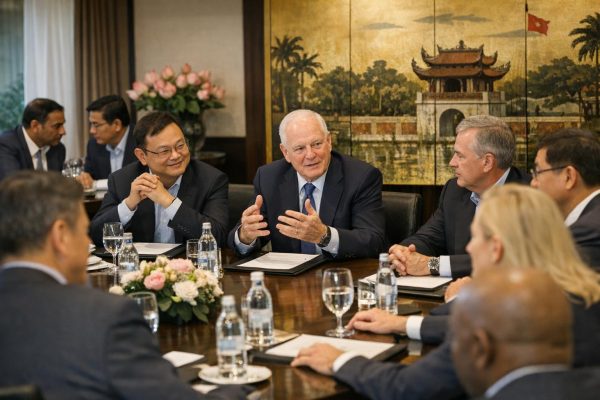
Vietnam’s growing prominence as a hub for international entertainment events has brought global stars—from singers and actors to public figures—to its stages and press conferences. Yet, behind the scenes of these vibrant live music events lies a subtle but critical challenge: the work of interpreters who must bridge not only language gaps but also cultural nuances, slang, and the unpredictable pace of live performances. The complexity of interpreting in this context goes far beyond straightforward translation; it demands cultural insight, linguistic agility, and emotional intelligence to preserve the artists’ intent and audience engagement.
Cultural Sensitivity in a Melting Pot of Genres and Audiences
International music events hosted in Vietnam often feature artists bringing diverse cultural references, idioms, and humor that may not directly translate across languages. For instance, when a Western pop icon references a cultural phenomenon or uses slang during a press conference or live Q&A, the interpreter must quickly evaluate how to convey that meaning authentically without alienating Vietnamese audiences unfamiliar with the source culture.
Consider an example from a recent international music festival in Ho Chi Minh City, where an American singer made a spontaneous joke involving a popular U.S. TV show. The interpreter faced the choice of either localizing the joke with a comparable Vietnamese cultural reference or explaining it succinctly to maintain flow. This decision highlights the interpreter’s role as a cultural mediator, balancing fidelity to the original message with accessibility.
Handling Slang and Rapid Speech: The Interpreter’s Real-Time Dilemma
Live music events demand interpreting services that can keep pace with fast, often overlapping dialogue. Singers and MCs frequently use slang, idiomatic expressions, or playful language, especially during informal interviews or fan interactions. These elements rarely have one-to-one translations, and literal interpretations risk confusing or disengaging listeners.
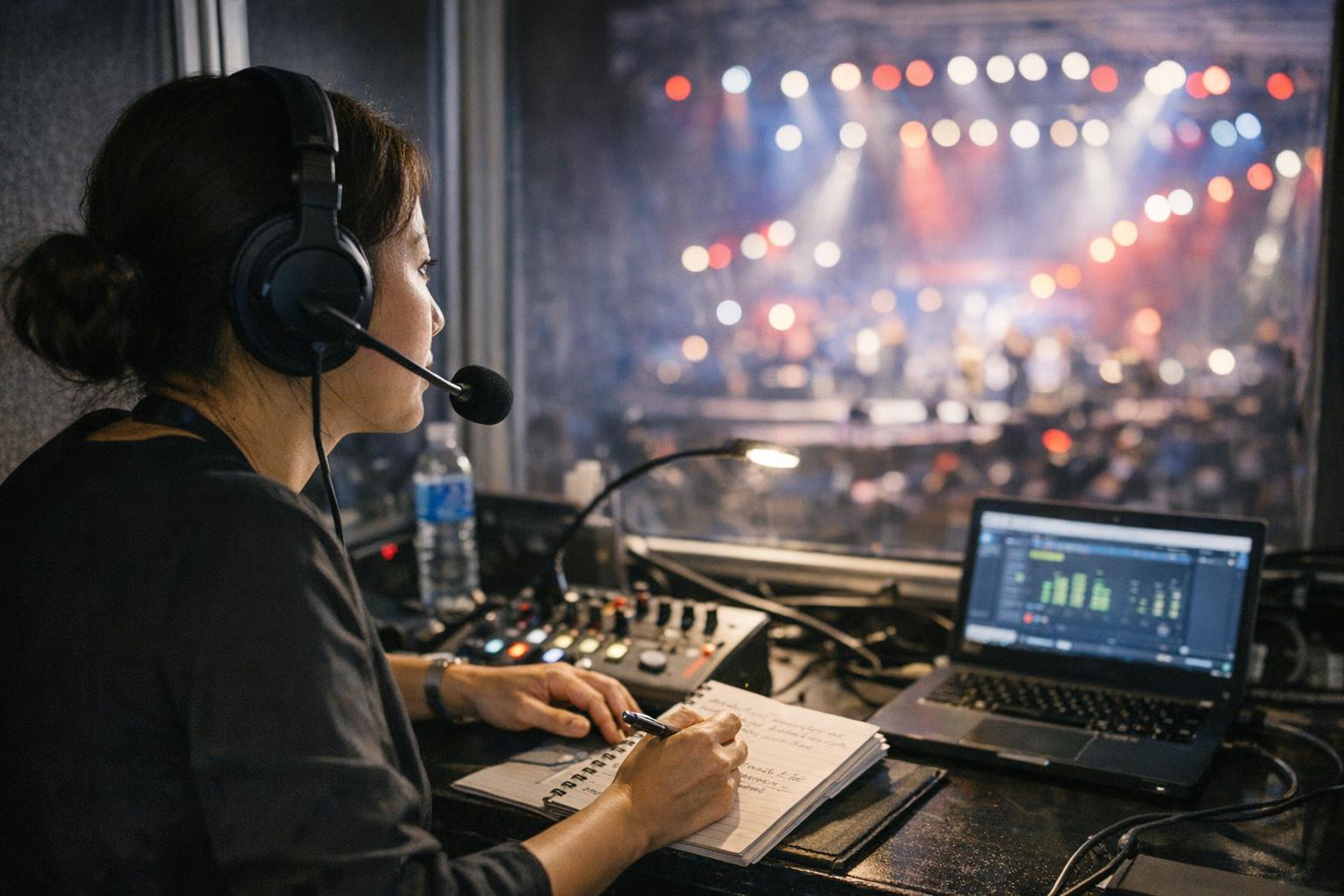
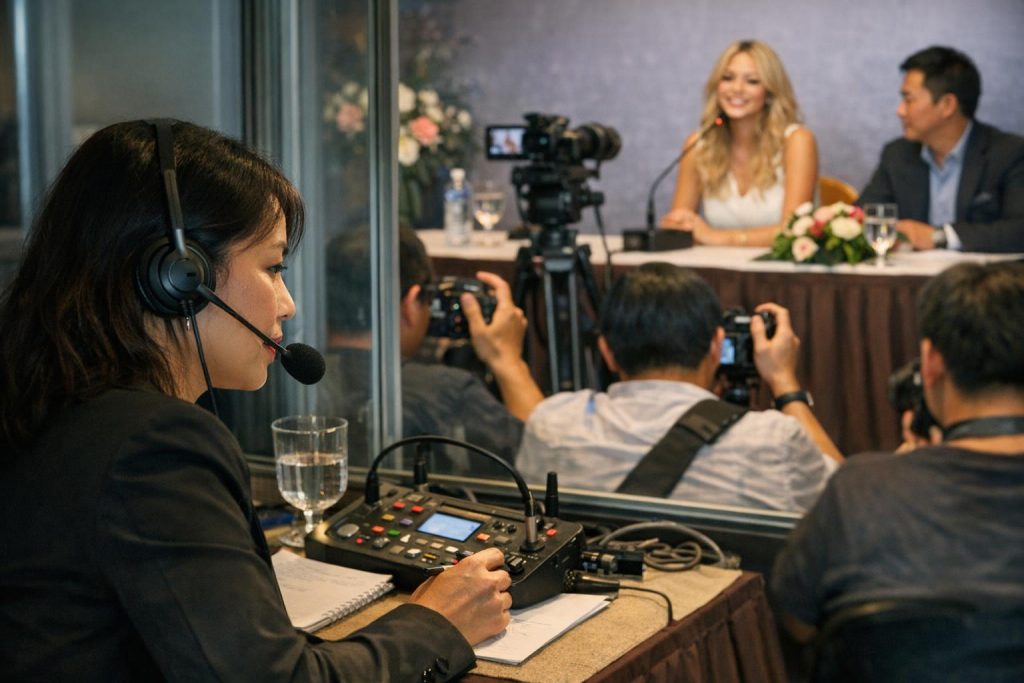
Interpreters employ techniques such as anticipatory listening—predicting possible phrases or cultural references based on the event context—and selective condensation, where non-essential words are omitted without losing meaning. Consecutive interpreting, commonly used in press conferences, allows interpreters to listen fully to a statement before delivering a culturally adapted translation. However, simultaneous interpreting is increasingly required during live concerts and broadcasts, demanding exceptional concentration and swift cognitive processing.
Confidentiality and Professionalism Amidst Celebrity Appearances
Interpreters working with international stars must also navigate confidentiality and professionalism delicately. Many artists discuss unreleased projects, personal anecdotes, or sensitive topics during interviews. Maintaining strict confidentiality is essential to protect the reputations of all parties and uphold trust.
Moreover, interpreters often prepare extensively before events, reviewing artist biographies, recent interviews, and industry-specific terminology. This preparation underpins their ability to interpret accurately and sensitively, especially when conveying nuanced emotional content or subtle humor.
Practical Techniques Enhancing Accuracy and Engagement
Successful interpreting in this high-stakes environment relies on a combination of skills and strategies:
- Pre-event briefing: Collaborating with event organizers and artists to understand the agenda, key messages, and potential cultural pitfalls.
- Glossary development: Creating customized glossaries of slang, technical terms, and cultural references to ensure consistency.
- Use of technology: Employing audio equipment and sometimes discreet digital aids to enhance clarity and reduce cognitive load.
- Emotional attunement: Capturing the tone and mood behind the words, essential for engaging live audiences.
These approaches help interpreters maintain the flow of communication, preserve artistic expression, and bridge cultural divides effectively.
The Value of professional interpreting services in Vietnam’s Entertainment Sector
Companies specializing in entertainment interpreting, such as Interprotrans, bring invaluable expertise to this niche market. Their professional interpreting services ensure that international music events run smoothly, supporting artists and organizers alike by providing culturally informed, linguistically accurate communication. This professional support extends beyond the event itself, often involving coordination with media teams and event planners to align messaging consistently across platforms.
For organizers budgeting these essential services, understanding translation and interpretation rates is crucial. Transparent pricing helps allocate resources wisely while securing top-tier interpreting talent capable of navigating the unique challenges of live entertainment.
Technological Integration and Its Practical Trade-offs in Live Event Interpreting
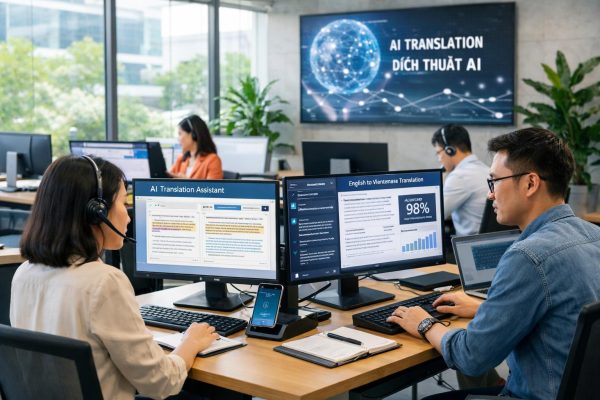
As live music events become more complex and technologically driven, the role of technology in interpreting is evolving rapidly. Interpreters now frequently leverage advanced tools such as AI-assisted transcription, real-time glossary management apps, and augmented reality (AR) devices that provide discreet prompts. These innovations offer significant benefits but also introduce practical trade-offs that professionals and event organizers must carefully consider.
One major advantage of AI-assisted tools is the ability to quickly generate real-time transcripts of speeches or lyrics, which can help interpreters anticipate upcoming phrases and reduce cognitive strain during fast-paced exchanges. For example, during a live Q&A session, an interpreter equipped with AI transcription can better track overlapping questions and comments, enhancing responsiveness and accuracy. Additionally, digital glossary apps allow interpreters to instantly access pre-approved slang or culturally sensitive terminology, ensuring consistency throughout the event.
However, reliance on technology carries risks. AI systems, though increasingly sophisticated, still struggle with nuances in humor, sarcasm, or idiomatic expressions—areas where human judgment is paramount. In a live concert setting, background noise, overlapping voices, and unexpected artist improvisations can confuse automated systems, potentially causing delays or misinterpretations. Moreover, technical failures or connectivity issues can disrupt the flow of interpretation, undermining audience experience and artist communication.
From a practical standpoint, the integration of technology also demands additional training and adaptability from interpreters. Professionals must balance attention between their traditional skills—listening, processing, and delivering—and managing digital tools effectively. This multitasking can increase mental fatigue, especially during long events, and may require new standards for breaks and team rotations to maintain quality.
For event organizers, investing in technological solutions entails upfront costs and logistical planning, including ensuring reliable internet access, soundproof interpreting booths, and technical support staff. The trade-off is a potential improvement in interpreting precision and audience engagement but at the risk of overcomplicating the setup and increasing the margin for error.
Looking forward, the future of interpreting in live music events in Vietnam likely involves a hybrid approach, where human interpreters are augmented—not replaced—by technology. This synergy can enhance performance, provided that interpreters retain autonomy to adapt translations dynamically and prioritize cultural resonance over literal accuracy.
Community Impact and Cultural Exchange Through Skilled Interpreting
Beyond the technical and linguistic challenges, interpreting at international music events in Vietnam plays a pivotal role in fostering cross-cultural understanding and community enrichment. Skilled interpreters act as cultural bridges, enabling Vietnamese audiences to access the emotional depth and creative intent of global artists. This connection nurtures appreciation for diverse musical styles and narratives, contributing to Vietnam’s cultural vitality and openness.
Moreover, interpreters help democratize entertainment experiences by making events accessible to non-English-speaking attendees, including local fans and media. This inclusivity strengthens community bonds and encourages participation in global cultural dialogues. For emerging Vietnamese artists and industry professionals, exposure to international standards and expressions through interpreted events can inspire innovation and elevate the local entertainment ecosystem.
However, this community impact depends heavily on the interpreter’s ability to convey not only words but also the spirit and subtext of performances. Misinterpretations or culturally insensitive translations risk alienating audiences or perpetuating stereotypes. Therefore, investing in professional interpreting services with deep cultural knowledge and ethical commitment is essential for sustaining positive cultural exchange.
Practical Trade-offs in Interpreting Styles: Consecutive vs. Simultaneous
Interpreters working in live music events must often choose between consecutive and simultaneous interpreting, each with distinct advantages and limitations that affect event dynamics and audience experience.
Consecutive interpreting, where the interpreter waits for the speaker to pause before translating, allows for more accurate and nuanced renditions. It provides time to process slang, cultural references, and emotional undertones, which is especially valuable during press conferences or artist interviews. However, this method can slow down the event’s pace and may disrupt the natural flow of conversations or performances, potentially diminishing audience engagement.
Simultaneous interpreting, by contrast, delivers near-instantaneous translation, preserving the rhythm and energy of live concerts and broadcasts. This approach is essential when artists interact spontaneously with audiences or when real-time understanding is critical. Yet, simultaneous interpreting demands intense concentration, rapid cognitive processing, and often involves a higher risk of errors, particularly when dealing with slang or ambiguous phrases.
Choosing the appropriate interpreting style requires careful consideration of event format, artist preferences, and audience expectations. In many cases, a hybrid model is employed, using consecutive interpreting during formal segments and simultaneous interpreting during performances or informal interactions. This flexibility ensures both accuracy and immediacy, optimizing communication effectiveness.
Future Opportunities: Expanding the Interpreter’s Role in Vietnam’s Entertainment Industry
As Vietnam’s entertainment sector continues to globalize, the role of interpreters is poised to expand beyond traditional language mediation. Increasingly, interpreters are becoming cultural consultants and communication strategists, advising artists and organizers on how to tailor messages for Vietnamese audiences without compromising artistic integrity.
This expanded role offers new professional opportunities, including participation in event planning, media training for artists, and development of multilingual promotional content. Interpreters may also collaborate with digital content creators to produce subtitled or dubbed materials that reach wider audiences online, extending the life and impact of live events.
Furthermore, as virtual and hybrid events gain popularity, interpreters will adapt to new formats requiring proficiency with remote interpreting platforms and multimedia integration. This evolution demands continuous skill development and technological literacy, positioning interpreters as vital enablers of Vietnam’s cultural diplomacy and entertainment innovation.
Ultimately, investing in interpreter training and professional services not only enhances the quality of live music events but also strengthens Vietnam’s stature as a dynamic, inclusive cultural destination on the global stage.
Looking Ahead: Interpreting in a Dynamic Entertainment Landscape
As Vietnam continues to attract an expanding roster of international artists and increasingly sophisticated audiences, the demands on interpreters will intensify. Future trends may include integrating AI-assisted tools to support rapid transcription and glossary management, but human judgment will remain irreplaceable in interpreting cultural nuance and emotional subtleties.
Interpreters at live music events are not merely language conduits—they are cultural ambassadors shaping how global stars connect with Vietnamese audiences. Their craft ensures that the energy, humor, and spirit of performances transcend linguistic borders, enriching Vietnam’s cultural landscape in real time.
Balancing Emotional Fidelity and Audience Expectations: The Interpreter’s Subtle Art
One of the most underexplored yet crucial challenges interpreters face at live music events in Vietnam is maintaining emotional fidelity—the accurate conveyance of the artist’s feelings, tone, and intent—while simultaneously meeting audience expectations shaped by local cultural norms. This balancing act is particularly complex because emotions expressed by international artists may resonate differently with Vietnamese audiences due to varying cultural codes for expressing enthusiasm, humor, or vulnerability.
For example, an artist’s exuberant self-deprecation or ironic humor may be warmly received in Western contexts but misunderstood or perceived as disrespectful in Vietnam if translated too literally. Conversely, an understated emotional expression common in some Asian cultures might seem muted or disengaged to international audiences if not appropriately amplified. Interpreters must therefore calibrate their delivery, sometimes amplifying or softening emotional cues to bridge these cultural gaps without distorting the artist’s authentic voice.
The causes of this challenge stem from deep-seated cultural differences in communication styles, emotional expression, and audience-performer relationships. Vietnam’s collectivist culture often values harmony, respect, and subtlety, whereas many international pop cultures embrace directness, boldness, and individualism. Interpreters act as emotional translators, decoding not just words but the affective subtext embedded within performances and interviews.
The real-world implications of this nuanced task are significant. Effective emotional interpretation can elevate audience engagement, deepen appreciation for the artist’s message, and foster a sense of shared experience. Conversely, misaligned emotional cues risk alienating audiences, reducing the impact of performances, and potentially harming the artist’s reputation in the Vietnamese market.
For readers and event stakeholders, understanding this dimension underscores the importance of selecting interpreters with not only linguistic proficiency but also cultural empathy and theatrical sensitivity. It highlights why professional interpreting services invest in emotional intelligence training and rehearsal with artists whenever possible.
From a community perspective, skillful emotional interpreting enriches cultural exchange by allowing Vietnamese audiences to genuinely connect with international artists’ stories and sentiments, promoting empathy and cross-cultural dialogue beyond mere words.
Practically, this emotional balancing requires interpreters to make real-time judgments about tone, pace, and emphasis, often adapting their vocal delivery and word choices dynamically. It may involve subtle modulation of voice intensity or strategic rephrasing to capture humor or pathos authentically. While this artistic element adds cognitive load, it also offers interpreters an opportunity to contribute creatively to the event’s success.
Looking ahead, as live music events in Vietnam continue to globalize, there is potential for formalizing emotional fidelity as a core competency in interpreter training programs. Advances in affective computing and voice analysis technologies might also support interpreters in monitoring and adjusting emotional delivery in real time, enhancing audience connection without compromising authenticity.
In sum, the interpreter’s role as an emotional conduit is a subtle art that profoundly shapes the live music experience. Recognizing and investing in this aspect can transform international entertainment events in Vietnam from mere linguistic exchanges into truly resonant cultural moments.