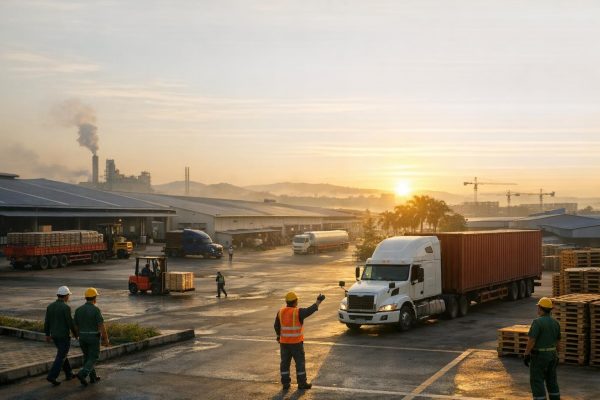
Balancing Opportunity and Complexity: The Workforce Puzzle for Foreign Firms in Vietnam
Vietnam’s rapid economic growth and expanding consumer market have made it a magnet for foreign investors. Yet, building a compliant, effective local workforce remains a nuanced challenge. Beyond the allure of competitive labor costs lies a multifaceted landscape of labor regulations, cultural expectations, and evolving workforce skills that foreign companies must navigate carefully. Unlocking this complexity is essential not just to comply with Vietnamese labor laws, but to develop teams that drive sustainable business success.
Understanding Vietnam’s Labor Law Framework
Vietnam’s Labor Code, most recently revised in 2021, establishes a comprehensive legal framework governing employment contracts, working hours, wages, social insurance, and dispute resolution. For foreign companies, compliance starts with grasping key provisions:

- Contract Types: Labor contracts can be indefinite, fixed-term (up to 36 months), or seasonal. Foreign employers must align contracts with the roles and ensure clarity on probation periods, typically not exceeding 60 days.
- Working Hours and Overtime: Standard working hours are 8 hours per day and 48 hours per week. Overtime is regulated and requires additional remuneration, with caps to prevent exploitation.
- Minimum Wage: Set regionally by the government, the minimum wage varies by location and must be observed strictly to avoid legal risks.
- Social Insurance and Benefits: Employers must contribute to social insurance, health insurance, and unemployment insurance, typically around 21.5% of the employee’s salary, in addition to statutory holidays and leave entitlements.
- Labor Unions and Collective Bargaining: Enterprises with 10 or more employees must establish grassroots trade unions, which play a consultative role in labor relations.
Failing to meet these requirements can result in fines, sanctions, and reputational damage. Therefore, integrating legal compliance into HR strategy is a non-negotiable foundation.
Strategic Hiring: Local Talent Acquisition in a Competitive Market
Foreign firms often face tension between sourcing skilled local talent and managing costs. Vietnam’s workforce is young, dynamic, and increasingly well-educated, especially in urban centers like Ho Chi Minh City and Hanoi. However, talent shortages persist in specialized sectors such as advanced manufacturing, IT, and finance.
Successful hiring strategies include:
- Partnering with Local Recruitment Agencies: These intermediaries understand the market, cultural expectations, and can screen candidates efficiently.
- Leveraging Employer Branding: Foreign companies that demonstrate commitment to career growth, work-life balance, and corporate social responsibility attract higher-caliber candidates.
- Tailoring Job Descriptions and Compensation: Aligning offers with local market standards and transparent benefit packages improves acceptance rates and retention.
- Utilizing Internship and Graduate Programs: Collaborations with universities via professional translator training courses or other vocational programs can build pipelines of future talent familiar with company culture.
For example, a multinational manufacturing firm in Vietnam successfully reduced turnover by 15% within a year by establishing partnerships with local technical universities and offering structured career development paths.
Localization Beyond Language: Cultural Integration and Workforce Development
Localization is often conflated with language adaptation, but in human resource management it encompasses much more. Foreign companies must embrace Vietnamese work culture, communication styles, and motivational drivers to foster engagement and productivity.
Key practices include:
- Cross-Cultural Training: Preparing expatriate managers and local employees to understand each other’s expectations reduces misunderstandings and builds trust.
- Inclusive Leadership: Encouraging local input in decision-making empowers teams and helps align corporate goals with local realities.
- Continuous Skills Development: Investing in tailored training programs, technical upskilling, and language courses ensures workers meet evolving job demands.
- Employee Feedback Mechanisms: Regular surveys and open communication channels provide insights into workplace satisfaction and areas for improvement.
For instance, a foreign IT services provider in Vietnam implemented monthly town hall meetings and bilingual mentoring programs, resulting in a 20% increase in employee engagement scores over 18 months.
Navigating Compliance Challenges: Practical Implications and Solutions
Compliance is not static; Vietnam’s labor laws continue to evolve with economic reforms and social changes. Foreign companies must stay current with regulatory updates and government policies to avoid pitfalls.
Common challenges include:
- Understanding Tax and Social Insurance Nuances: Miscalculations in contributions or benefits can lead to penalties.
- Managing Work Permits and Visas: Hiring expatriates requires strict adherence to immigration laws and documentation.
- Adapting to New Labor Code Provisions: For example, the 2021 Labor Code introduced stricter rules on probation periods and increased protections for part-time workers.
To mitigate risks, companies often engage local legal counsel or human resource consultants specializing in labor law compliance. Additionally, aligning HR functions with reliable language solutions in Vietnam can ensure that all communications, contracts, and policy documents are accurately localized and legally sound.
Building Sustainable Workforce Strategies for Long-Term Success
Foreign companies that treat local workforce integration as a strategic priority — combining rigorous legal compliance, culturally attuned human resource management, and proactive workforce development — position themselves for durable competitive advantage.
Moreover, integrating professional translation services into HR and legal processes supports clear communication, reduces errors, and facilitates smoother onboarding and dispute resolution. This is especially important in a multilingual environment where Vietnamese legal terminology and business nuances differ markedly from those in foreign languages.
Looking ahead, as Vietnam’s labor market matures and digital transformation accelerates, companies investing in upskilling their local teams and embracing hybrid work models will lead in innovation and employee satisfaction.
Future-Proofing Local Workforce Integration
Emerging trends such as AI-driven talent analytics and remote collaboration platforms offer new tools to optimize workforce management. Yet, these technologies must be deployed alongside deep local insight and compliance vigilance.
Foreign firms should anticipate regulatory shifts and invest in continuous learning — including accessing professional translator training courses to enhance multilingual communication skills internally and externally. This holistic approach will enable them to harness Vietnam’s vibrant labor pool effectively while respecting the legal and cultural frameworks that govern it.
Deepening the Workforce Puzzle: The Underexplored Challenge of Informal Employment and Its Impact on Foreign Companies
While much attention is given to formal labor regulations and compliance, one critical yet underexplored issue in Vietnam’s labor market is the prevalence of informal employment. Informal work arrangements—characterized by the absence of formal contracts, social insurance coverage, and regulatory oversight—remain significant in various sectors, particularly in manufacturing, construction, and services. For foreign companies aiming to establish or expand operations in Vietnam, understanding and addressing the implications of informal employment is essential for sustainable workforce integration and risk management.
Causes of Informal Employment in Vietnam
Several structural and socio-economic factors contribute to the persistence of informal work in Vietnam:
- Economic Transition and Labor Market Dynamics: Vietnam’s rapid industrialization and urbanization have outpaced the formal labor market’s capacity to absorb all workers, leading many to engage in informal jobs as a survival strategy.
- Regulatory Complexity and Enforcement Gaps: While labor laws are comprehensive, enforcement remains uneven, especially in small and medium enterprises (SMEs) and subcontracting chains where informal practices are more prevalent.
- Cost Pressures on Employers: Employers, including foreign firms relying on local suppliers, may face incentives to minimize labor costs by circumventing formal contracts and social insurance contributions.
- Worker Awareness and Preferences: Some workers accept informal jobs due to immediate income needs, lack of knowledge about labor rights, or the flexibility informal work can offer.
Real-World Implications for Foreign Firms
The prevalence of informal employment poses multifaceted risks and challenges for foreign companies operating in Vietnam:
- Compliance and Reputational Risk: Engaging with suppliers or subcontractors that rely on informal labor can expose foreign firms to indirect violations of labor laws, risking fines and damaging their corporate reputation, especially under growing global scrutiny for ethical sourcing.
- Operational Disruptions: Informal workers typically lack formal contracts and social insurance, which can lead to higher turnover, absenteeism, and vulnerability to labor disputes, affecting productivity and supply chain reliability.
- Challenges in Workforce Planning and Development: Informal employment limits access to accurate workforce data, making it difficult for foreign firms to forecast labor needs, plan training programs, or implement performance management effectively.
- Social and Community Impact: Informal labor conditions often correlate with poorer worker welfare, which can undermine community relations and the social license to operate for foreign businesses.
Practical Trade-Offs and Strategic Responses
Foreign companies must navigate the trade-offs between cost efficiency and compliance integrity when confronting informal employment in their value chains:
- Due Diligence and Supplier Engagement: Rigorous audits and transparent supplier selection processes can help identify informal labor risks. Investing in supplier capacity-building to formalize employment practices can improve compliance and operational stability.
- Collaborative Industry Initiatives: Participation in multi-stakeholder platforms focused on labor standards can amplify impact and share best practices for reducing informal employment.
- Balancing Cost and Compliance: While formalizing labor relationships may increase short-term costs, the long-term benefits include reduced legal risks, improved workforce loyalty, and enhanced brand reputation.
- Leveraging Technology: Digital platforms for workforce management can improve transparency and data accuracy, helping companies monitor labor conditions down the supply chain.
Opportunities for Future Development
Addressing informal employment also opens avenues for innovation and leadership in Vietnam’s evolving labor market:
- Inclusive Workforce Models: Foreign firms can pioneer inclusive employment practices that integrate informal workers through formalization programs, skills training, and social protection schemes.
- Public-Private Partnerships: Collaborations with government agencies and NGOs to support labor market formalization can enhance social impact and align with Vietnam’s development goals.
- Corporate Social Responsibility (CSR) and ESG Integration: Proactively tackling informal employment aligns with environmental, social, and governance (ESG) criteria increasingly demanded by global investors and consumers.
- Enhanced Localization Strategies: Deepening community engagement and investing in local workforce development can reduce reliance on informal labor pools, strengthening local ecosystems and company resilience.
Benefits to Readers and the Broader Business Community
For foreign companies and their HR leaders, recognizing the informal employment challenge enriches their understanding of Vietnam’s labor landscape beyond legal texts and recruitment strategies. It encourages a more holistic approach that considers the socio-economic realities of the workforce and supply chains. This insight enables better risk management, more ethical business conduct, and stronger community relations.
Moreover, by sharing knowledge and strategies to address informal employment, the business community can collectively contribute to a more sustainable and equitable labor market in Vietnam, fostering long-term economic stability and social cohesion.
Integrating Informal Employment Considerations into Workforce Strategy
While addressing informal employment is complex, foreign companies can integrate this dimension into their broader workforce strategies to enhance resilience and sustainability. Recognizing informal employment not merely as a compliance risk but as a socio-economic reality enables more nuanced approaches that balance business objectives with social responsibility.
One practical approach is embedding informal employment risk assessment into supply chain management and HR planning. This includes conducting localized labor market analyses that identify informal sectors relevant to the company’s operations and suppliers. Such assessments inform targeted interventions like supplier training, incentivizing formalization, or adjusting procurement policies to favor compliant partners.
Additionally, workforce development initiatives can be designed with flexibility to accommodate informal workers transitioning into formal roles. For example, offering modular training programs or part-time upskilling opportunities can attract informal workers seeking to enhance employability without immediate full-time commitments. This approach not only expands the talent pool but fosters goodwill and community integration.
From a communication standpoint, leveraging localized, culturally sensitive messaging—potentially supported by professional translation services—can raise awareness among informal workers about their rights and available formal employment opportunities. This is particularly impactful when coordinated with local authorities or NGOs, amplifying reach and credibility.
Finally, embracing technology platforms that facilitate transparent labor tracking and reporting can bridge gaps between informal and formal employment data. These platforms enable companies to monitor compliance more effectively and demonstrate accountability to stakeholders, including investors increasingly focused on ESG performance.
In sum, integrating informal employment considerations into workforce strategies is not merely a regulatory obligation but a strategic opportunity. It enhances operational stability, strengthens community relations, and positions foreign firms as responsible corporate citizens in Vietnam’s dynamic labor market.