Language and Culture as Investment Barriers
Vietnam’s rapid emergence as a strategic destination for billionaire investors and global CEOs is reshaping the landscape of international business conferences held in the country. Yet, beneath the surface of high-stakes negotiations and multimillion-dollar deals lies a complex challenge: the need for interpretation services that transcend mere word-for-word translation. Interpreters must decode intricate industry jargon, subtle cultural cues, and the unspoken expectations of diverse stakeholders to bridge gaps that could otherwise jeopardize critical investments.
From Boardrooms to Factory Floors: The Spectrum of Interpretation Challenges
Investment conferences in Vietnam often span a variety of formats, including formal presentations, closed-door negotiations, and factory tours. Each setting demands different interpreting approaches and expertise.

Technical Presentations: Precision in Industry Terminology
During a recent technology partnership forum involving a consortium of global semiconductor investors and Vietnamese manufacturers, interpreters faced the daunting task of accurately conveying complex engineering specifications. Incorrect interpretation of technical terms such as “wafer fabrication” or “cleanroom standards” could lead to misunderstandings with costly consequences. Interpreters with specialized knowledge in semiconductor manufacturing, often gained through targeted training and collaboration with technical experts, proved essential.
Negotiation Sessions: Navigating Diplomatic Nuance and Strategy
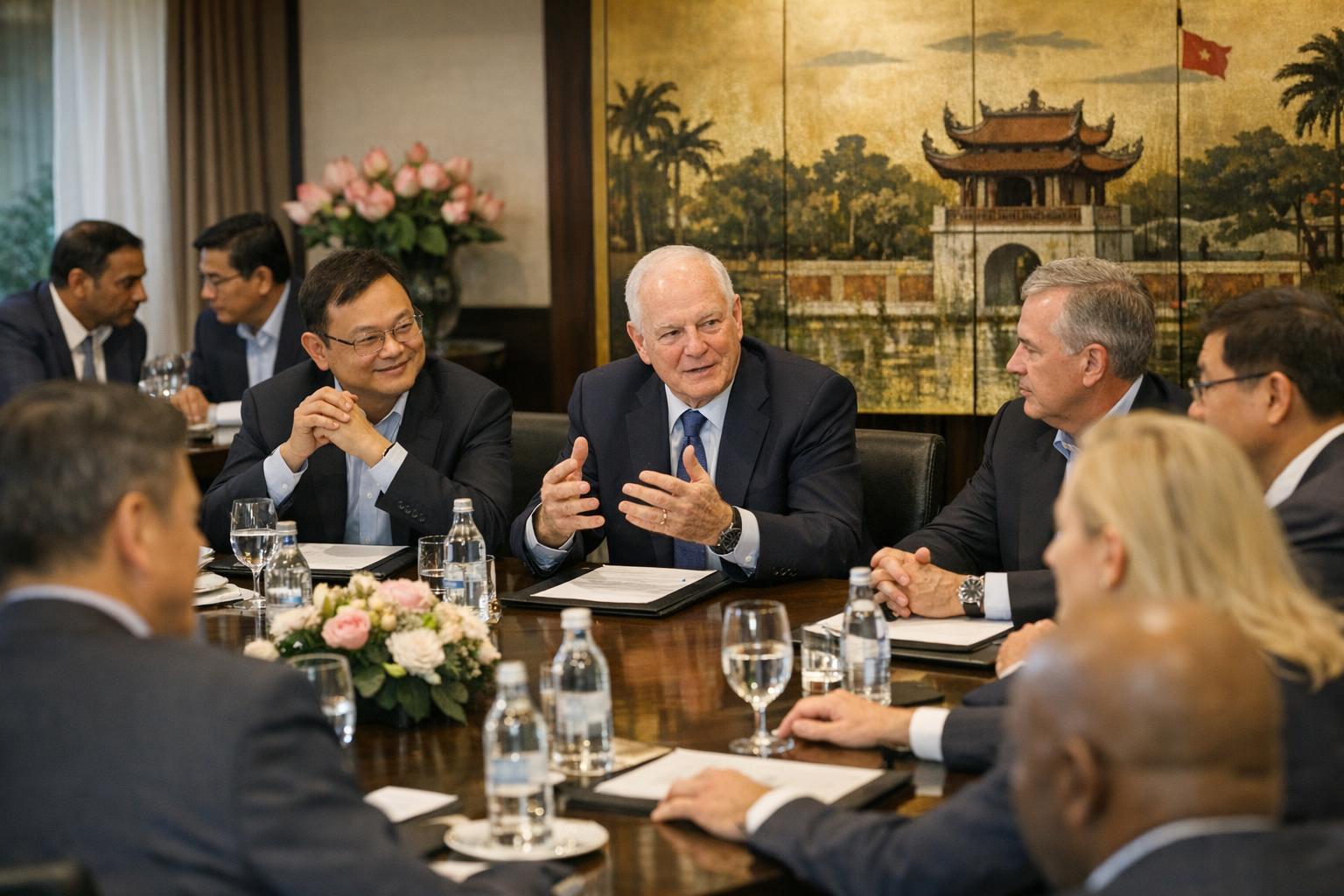
Negotiations among billionaire investors and Vietnamese government officials require interpreters to manage not only linguistic accuracy but also cultural sensitivity and confidentiality. For instance, a high-profile negotiation involving a renewable energy joint venture highlighted how interpreters must recognize indirect communication styles common in Vietnamese culture, such as the use of non-verbal cues and understatement, and relay these appropriately to Western executives accustomed to more direct discourse. Misinterpretation of tone or intent risks damaging trust and slowing deal progress.
Factory and Site Visits: Real-Time Interpretation with Contextual Awareness
Interpreting during factory tours is uniquely challenging. Interpreters must keep pace with rapid explanations from engineers on-site while also handling impromptu questions from investors unfamiliar with local manufacturing processes. For example, during a recent automotive parts factory visit, interpreters facilitated dialogue that clarified differences in quality certifications between Vietnam and international standards, enabling investors to assess compliance confidently. This requires not only language skills but also deep cultural and industrial knowledge.
Key Strategies for Enhancing Interpretation Quality in Investment Forums
Successful interpretation in Vietnam’s investment context hinges on several practical measures.
- Pre-Event Briefings and Glossaries: Interpreters should engage in thorough preparation by receiving detailed agendas, presentation materials, and industry-specific glossaries from organizing firms. This enables mastery of specialized terminology and anticipates potential linguistic pitfalls.
- Cultural Intelligence Training: Understanding cultural norms, negotiation styles, and communication protocols within Vietnamese business contexts empowers interpreters to mediate effectively between parties’ expectations.
- Confidentiality and Professionalism: Given the sensitivity of investment information, professional interpreting services must adhere strictly to confidentiality agreements and exhibit discretion to maintain trust.
- Integration with Technical Experts: Whenever possible, interpreters should collaborate with subject matter experts during complex presentations to clarify ambiguous points in real time.
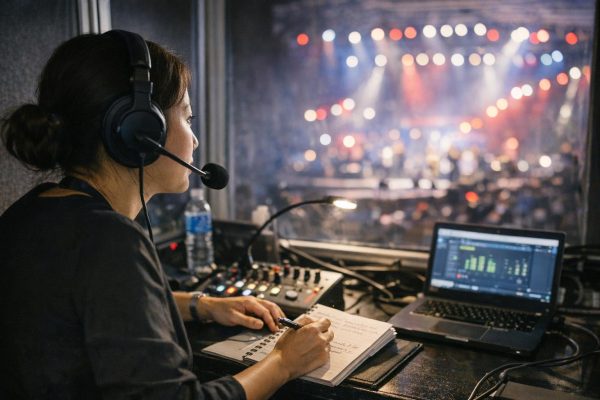
- Utilizing Consecutive and Simultaneous Techniques Judiciously: Deploying a mix of interpreting modes tailored to the setting—such as simultaneous for large conference halls and consecutive for small negotiation rooms—maximizes communication clarity.
Multinational Firms’ Role in Supporting Quality Interpretation
International companies investing in Vietnam can strengthen communication outcomes by proactively partnering with language-service providers that specialize in their industry and region. For example, leveraging certified interpreters familiar with Vietnamese business etiquette and regulatory environments can smooth complex interactions. Additionally, budgeting for high-quality interpretation in line with published translation and interpretation rates reflects the value placed on clear and reliable communication.
Moreover, fostering an environment where interpreters are treated as integral members of the negotiation team rather than peripheral facilitators encourages open dialogue and mutual respect, which are critical for nuanced exchanges.
Real-World Impact: Case Studies in Interpreting Excellence
One illustrative case involved a multinational agritech firm entering a strategic partnership with Vietnamese agricultural cooperatives. The interpreter’s role extended beyond language conversion to explaining local farming practices and regulatory nuances to foreign executives, enabling informed investment decisions. Conversely, a less prepared interpreting team once led to delays in a manufacturing joint venture due to miscommunication of contract terms, underscoring the stakes involved.
These examples highlight the transformative power of professional interpreting services that combine linguistic skill with cultural and industry insight.
The Road Ahead: Adapting to Vietnam’s Growing Investment Complexity
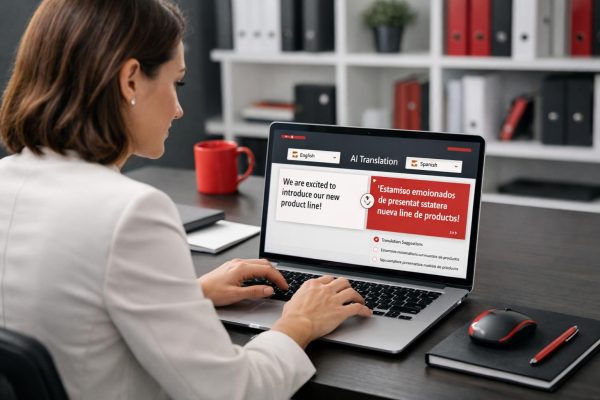
As Vietnam continues to attract billion-dollar investments in sectors like technology, renewable energy, and manufacturing, the demands on interpreters will only intensify. Interpreting professionals must embrace continuous education, including emerging trends in AI-assisted interpretation, while maintaining the human judgment crucial for nuanced diplomacy and confidentiality.
For multinational firms, recognizing the interpreter’s pivotal role and investing in comprehensive language support will be a strategic imperative to secure confidence, foster trust, and unlock the full potential of Vietnam’s dynamic investment environment.
Understanding the Psychological and Relational Dynamics in Interpretation for Investment Conferences
While technical accuracy and cultural fluency are often emphasized in discussions about interpretation at investment forums, an underexplored yet critical dimension is the psychological and relational dynamics that interpreters navigate during high-stakes interactions. These dynamics profoundly influence the success of communication, the building of trust, and ultimately the outcomes of investment negotiations.
The Interpreter as a Psychological Conduit
Interpreters in billionaire-level investment conferences do more than translate words; they serve as psychological conduits between parties with vastly different cultural backgrounds, business philosophies, and emotional temperaments. The pressure to maintain neutrality while simultaneously managing the emotional tenor of negotiations requires interpreters to possess emotional intelligence and acute situational awareness.
For example, Vietnamese business culture often values harmony and face-saving, leading negotiators to employ indirect speech and subtle cues to express disagreement or dissatisfaction. Conversely, Western investors may favor directness and explicit feedback. An interpreter who fails to recognize these psychological undercurrents risks rendering statements too bluntly or missing the implied reservations behind polite affirmations. This can cause unintended offense or foster misplaced confidence, both detrimental to deal progression.
Managing Power Dynamics and Trust-Building
Investment discussions frequently involve asymmetrical power dynamics—between government officials and foreign investors, senior executives and technical teams, or dominant and less assertive parties. Interpreters must carefully calibrate their language to avoid exacerbating these imbalances. For instance, the choice of honorifics, formality levels, and tone can either reinforce respect or inadvertently signal condescension.
Furthermore, interpreters often become trusted confidants, privy to sensitive information and subtle shifts in negotiation strategy. Their ability to maintain confidentiality while facilitating transparent communication fosters trust not only between the negotiating parties but also towards the interpreter themselves. This trust can be a decisive factor in overcoming impasses or clarifying misunderstandings.
Implications for Multinational Firms and Interpreter Training
Recognizing the psychological and relational role of interpreters has practical implications for multinational firms investing in Vietnam. Firms should consider:
- Selecting interpreters with demonstrated emotional intelligence and conflict management skills, beyond linguistic proficiency.
- Providing interpreters with pre-negotiation briefings on the psychological profiles and negotiation styles of key stakeholders, enabling tailored communication strategies.
- Encouraging ongoing debrief sessions post-negotiation, where interpreters can share insights on relational dynamics that may impact future interactions.
For interpreter training programs, integrating modules on cross-cultural psychology, negotiation psychology, and interpersonal communication can enhance interpreter effectiveness in complex investment environments.
Community Impact and Long-Term Relationship Building
Beyond immediate transaction success, the interpreter’s role in managing psychological and relational nuances contributes to the broader community impact of foreign investment. Effective communication fosters mutual respect and understanding, which can lead to sustainable partnerships benefiting local economies and communities.
For example, interpreters who facilitate clear, empathetic dialogue between foreign investors and Vietnamese smallholder farmers or cooperative leaders help ensure that investment terms are equitable and culturally appropriate. This reduces the risk of exploitation or social friction, supporting inclusive growth and social cohesion.
Practical Trade-Offs and Future Opportunities
Balancing the psychological mediation role with the need for linguistic fidelity poses practical trade-offs. Over-interpretation or paraphrasing to soften messages might obscure precise contractual terms, while rigid literal translation may damage rapport. Skilled interpreters must navigate this fine line, often relying on experience and judgment.
Looking ahead, advances in AI-assisted interpretation offer opportunities to support interpreters by handling routine terminology and providing real-time cultural context prompts. However, the irreplaceable human capacity for empathy, emotional attunement, and ethical discretion will remain central to interpreting in high-stakes investment settings.
Multinational firms investing in Vietnam can capitalize on these developments by integrating AI tools with human interpreters, thereby enhancing accuracy while preserving relational quality.
Economic and Social Implications of Interpretation in Vietnam’s Investment Ecosystem
While the article has extensively explored linguistic, cultural, and psychological facets of interpretation, an important but less examined dimension is the broader economic and social impact that high-quality interpreting services have on Vietnam’s investment ecosystem. Interpretation does not merely facilitate communication; it acts as a catalyst for sustainable economic development and social integration in a rapidly globalizing market.
Facilitating Inclusive Economic Growth
Vietnam’s economic growth increasingly depends on foreign direct investment (FDI) that supports industrial diversification and technology transfer. Effective interpretation ensures that complex investment terms, regulatory requirements, and community expectations are clearly understood by all parties, including local stakeholders who may lack English proficiency or international business experience.
For example, when interpreters accurately convey the nuances of environmental regulations during negotiations, investors can design projects that comply with local laws and global sustainability standards. This clarity prevents costly legal disputes and promotes responsible investment practices that benefit both investors and local communities.
Moreover, interpreters often bridge communication gaps between multinational corporations and Vietnamese small and medium-sized enterprises (SMEs) or cooperatives. By facilitating transparent dialogue, interpreters empower local partners to negotiate equitable terms, access new markets, and build capacity. This inclusive approach helps distribute the benefits of investment more broadly, reducing economic disparities.
Strengthening Social Cohesion and Cultural Exchange
Beyond economics, interpretation plays a pivotal role in fostering social cohesion amid rapid change. Investment projects can provoke social tensions if local communities feel marginalized or misunderstood. Skilled interpreters help mitigate these risks by ensuring that community voices are heard and respected in discussions with foreign investors.
For instance, during consultations on infrastructure development or agricultural ventures, interpreters convey not only factual information but also cultural values and local concerns. This fosters mutual empathy and helps design projects that are culturally sensitive and socially acceptable, thereby enhancing long-term project viability.
Furthermore, interpreters contribute to cultural exchange by introducing foreign investors to Vietnamese customs, negotiation etiquette, and social norms. This cultural brokerage enriches the investment experience and encourages respectful partnerships that transcend transactional relationships.
Trade-Offs: Cost, Speed, and Depth of Interpretation
While the benefits of high-quality interpretation are clear, practical trade-offs exist. Comprehensive interpretation services—especially those involving specialized industry knowledge and cultural mediation—require significant investment in time and financial resources. Multinational firms must balance the urgency of deal-making with the need for thorough communication.
Rapid interpretation may prioritize speed over depth, potentially glossing over subtle cultural or technical nuances. Conversely, deep interpretation involving pre-event preparation, multiple interpreters, and post-event debriefs enhances accuracy but increases costs and extends timelines. Firms must strategically allocate resources to interpretation based on the complexity and stakes of each investment opportunity.
Future Opportunities: Building Interpretation Ecosystems
Looking forward, Vietnam has the opportunity to develop a robust interpretation ecosystem tailored to its evolving investment landscape. This could include:
- Specialized interpreter training centers focusing on sectors critical to Vietnam’s economic growth, such as renewable energy, advanced manufacturing, and agritech.
- Certification programs integrating cultural psychology and negotiation strategies, raising professional standards and interpreter credibility.
- Public-private partnerships to subsidize interpretation services for SMEs and local communities, ensuring inclusivity in investment dialogues.
- Technological innovation hubs developing AI tools that complement human interpreters by providing real-time terminology databases and cultural context analytics.
Such developments would not only enhance the quality of interpretation but also position Vietnam as a leader in facilitating cross-cultural investment communication, attracting greater FDI and fostering sustainable development.