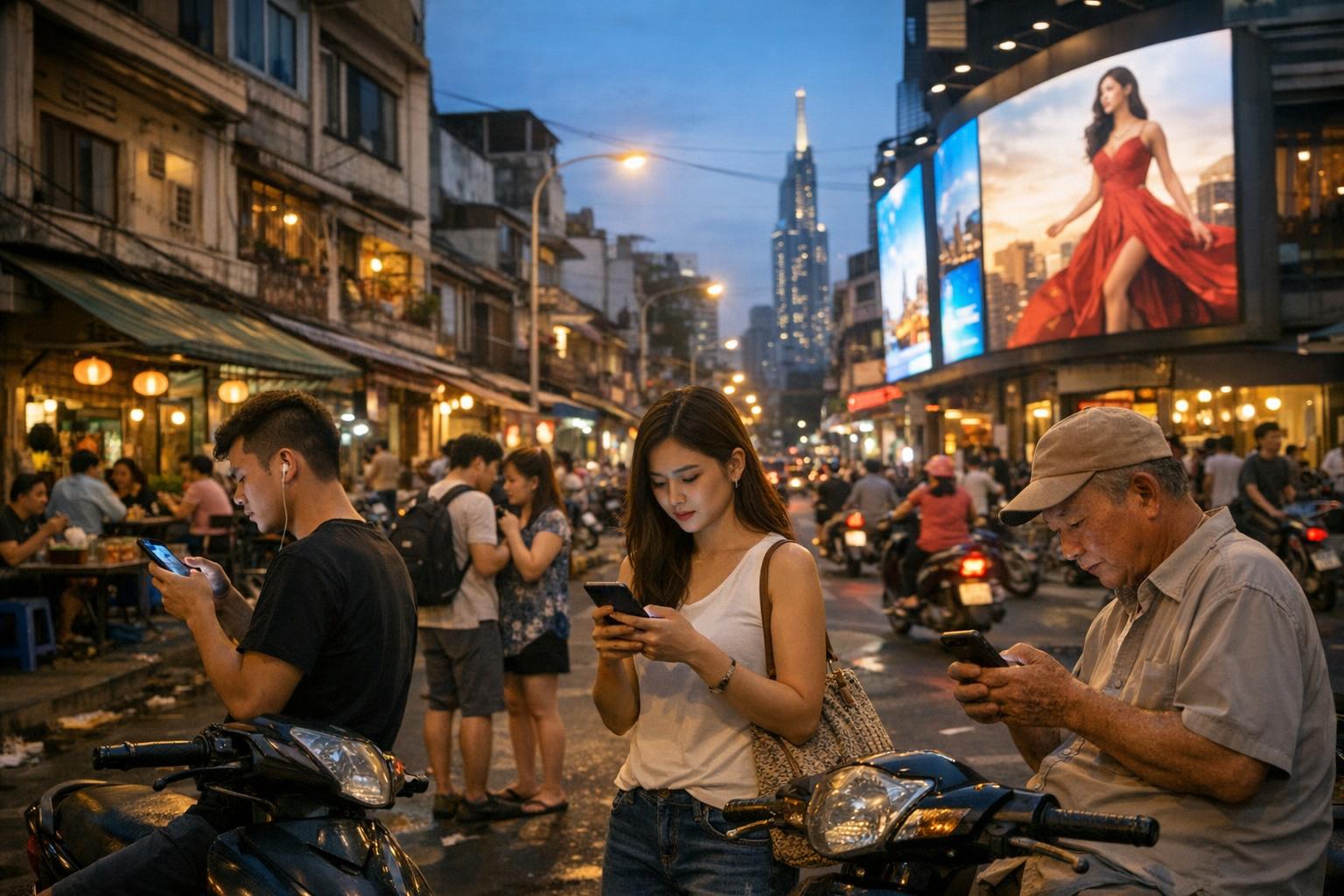
The Complexity of Localization in Vietnam’s Changing Market Landscape
Entering Vietnam’s market in 2026 demands more than translation or a simple cultural overlay. As one of Southeast Asia’s fastest-growing economies, Vietnam presents a unique consumer mosaic shaped by rapid urbanization, a youthful demographic, and a digital revolution that has transformed access to information and purchasing behavior. Brands aiming for resonance and longevity must deeply understand these evolving consumer preferences and adapt with nuanced localization tactics.
From Language to Cultural Nuance: The New Frontiers of Localization
Localization in Vietnam is no longer a matter of translating product labels or marketing copy. Consumers in 2026 expect brands to speak their language authentically—not merely linguistically but culturally and contextually. For example, the rise of regional dialect awareness, especially between Ho Chi Minh City and Hanoi, means a one-size-fits-all Vietnamese translation risks alienating target segments. Successful brands now employ layered language strategies that reflect local idioms, humor, and social norms, demonstrating respect for regional identities.

Moreover, Vietnam’s young consumers, who make up over half the population, are deeply influenced by global trends but still retain strong attachments to local values such as family cohesion and community respect. Campaigns that integrate these values with modern lifestyle elements—such as sustainability or tech innovation—find higher engagement. For instance, a beverage brand recently launched a campaign combining traditional Tet Festival motifs with eco-friendly packaging, resonating widely with urban millennials.
Digital Transformation and Social Media’s Role in Shaping Brand Perceptions
Vietnam’s internet penetration exceeds 75%, with mobile-first engagement dominating. This digital ecosystem shapes consumer expectations for immediacy, transparency, and interactive brand experiences. Localization strategies must therefore extend into digital content adaptation, influencer collaborations, and platform-specific messaging. Brands that replicate global content without tailoring it to Vietnamese social media nuances—such as popular platforms like Zalo and TikTok Vietnam—often underperform.
Consider how a leading fashion brand localized its launch by partnering with Vietnamese micro-influencers who authentically embody local street style, rather than relying solely on celebrities. This grassroots approach generated organic buzz, driving not only awareness but also meaningful conversations around brand identity and Vietnamese cultural pride.
Product Adaptation: Navigating Preferences and Regulatory Nuances
Effective localization also involves product adaptation aligned with local tastes, regulatory frameworks, and consumption patterns. Vietnam’s diverse palate and increasing health consciousness require brands in food and beverage or cosmetics to reformulate products to reduce sugar, avoid harmful additives, or incorporate herbal ingredients favored by Vietnamese consumers.
Regulatory compliance, particularly in labeling and advertising claims, is another critical facet. Vietnam’s evolving legal landscape on consumer protection and advertising standards means brands must work closely with local experts to ensure language accuracy and cultural appropriateness. This is where professional translation services play a crucial role, bridging linguistic nuances and legal precision to safeguard brand reputation.
Building Trust Through Authentic Local Engagement
Vietnamese consumers place high value on trust and authenticity. Brands are increasingly expected to demonstrate corporate social responsibility (CSR) initiatives that resonate locally, such as community development projects or environmental conservation efforts. Rather than generic CSR statements, successful localization involves transparent storytelling that connects these initiatives with Vietnamese societal values.
For example, a multinational apparel company integrated a campaign highlighting its partnerships with Vietnamese artisan communities, sharing stories in the local language that emphasized empowerment and cultural preservation. This approach fostered emotional connections beyond transactional relationships.
Human Expertise Amplified by Technology
While AI and automation tools are advancing rapidly, the nuanced demands of Vietnamese localization in 2026 underscore the indispensable role of human expertise. Recent industry insights reveal that professional translators and language specialists prioritize tools that enhance accuracy and cultural relevance without undermining human judgment. This synergy elevates localization quality and aligns with consumer expectations for authentic communication.
Brands are increasingly investing in language solutions in Vietnam that combine AI-assisted workflows with rigorous human review. This hybrid model enables faster turnaround times while maintaining the depth of cultural insight essential for market success.
Practical Steps for Brands Entering or Expanding in Vietnam
- Conduct Deep Consumer Research: Go beyond demographics to understand regional language variations, cultural values, and digital behaviors.
- Invest in Layered Localization: Tailor language and content to specific Vietnamese regions and platforms, leveraging local influencers and cultural motifs.
- Adapt Products Thoughtfully: Align formulations and features with local tastes, health trends, and regulatory requirements.
- Engage Authentically: Build trust via transparent storytelling and meaningful CSR that resonates with Vietnamese social values.
- Leverage Professional Translation Services: Use expert linguistic resources to ensure accuracy, cultural appropriateness, and legal compliance.
- Integrate Technology with Human Expertise: Adopt AI-supported localization workflows that enhance but do not replace human cultural insight.
Successfully localizing your brand for Vietnam in 2026 is a multidimensional challenge that requires strategic investment in understanding and respecting the local consumer psyche. As the market continues to evolve, brands that embrace linguistic precision, cultural authenticity, and technological innovation will not only enter but thrive in Vietnam’s dynamic commercial landscape.
Looking ahead, localization will increasingly intertwine with Vietnam’s digital transformation and regulatory advancements, making adaptive, culturally informed communication a competitive necessity rather than an option.
For companies seeking to navigate these complexities, partnering with providers specializing in professional translation services and language solutions in Vietnam offers a critical advantage. Meanwhile, ongoing professional translator training courses ensure the linguistic talent pool keeps pace with evolving market demands and technological tools.
The Underexplored Dynamics of Consumer Trust and Brand Loyalty in Vietnam’s Localization
While much attention has been paid to language adaptation, digital engagement, and product reformulation, one critical but underexplored dimension in Vietnam’s localization landscape is the intricate process of building sustained consumer trust and cultivating brand loyalty within a rapidly changing socio-economic context. Understanding why trust forms the cornerstone of brand success—and how it intersects with cultural, technological, and regulatory factors—provides brands with a strategic advantage that goes beyond initial market entry.
Causes Behind the Heightened Importance of Trust in Vietnam
Vietnamese consumers today navigate a marketplace flooded with both domestic and international brands, many vying for attention through aggressive marketing and competitive pricing. However, the legacy of past market volatility, counterfeit goods, and inconsistent product quality has made consumers particularly discerning and cautious. This skepticism drives a premium on brands that demonstrate authenticity, transparency, and social responsibility.
Moreover, the collectivist cultural orientation prevalent in Vietnam emphasizes relationships and social proof. Recommendations from family, friends, and online communities often carry more weight than traditional advertising. The rise of social media forums and review platforms has amplified this dynamic, making trust a social currency that brands must earn and maintain consistently.
Real-World Implications for Brand Strategy and Consumer Behavior
Brands that fail to prioritize trust risk short-lived success and may encounter backlash manifested through negative word-of-mouth or social media criticism. Conversely, those that embed trust-building into their localization strategy can unlock deeper emotional engagement and long-term loyalty, which translates into repeat purchases, premium pricing acceptance, and advocacy.
For instance, a technology company entering Vietnam found early success by not only customizing its user interface but also by establishing local customer service centers staffed by Vietnamese-speaking personnel who understood local concerns. This commitment to accessible, empathetic support fostered trust and differentiated the brand in a competitive market.
Similarly, brands that transparently communicate ingredient sourcing, manufacturing ethics, and environmental impact resonate strongly with the growing segment of socially conscious Vietnamese consumers, who increasingly integrate these factors into their purchasing decisions.
Community Impact and the Role of Localized Corporate Social Responsibility
Trust extends beyond transactional interactions into the realm of community engagement. Vietnamese consumers expect brands to contribute positively to societal welfare, reflecting the cultural value of communal harmony. Effective localization thus includes CSR initiatives that are not only locally relevant but also co-created with communities to ensure authenticity and impact.
For example, a food and beverage company partnered with local farmers to promote sustainable agriculture practices, sharing these stories through localized content that highlighted mutual benefit and respect. This approach elevated brand perception as a responsible corporate citizen and fostered goodwill that transcended product features.
Practical Trade-Offs in Building Trust Within Localization Efforts
Investing in trust-building activities often requires a longer time horizon and resource commitment than straightforward marketing campaigns. Brands must balance the immediate pressures of market penetration with the slower, more nuanced work of relationship-building. This includes transparent communication around product limitations or challenges, which may seem counterintuitive but ultimately enhances credibility.
Additionally, brands must navigate the trade-off between global brand consistency and local adaptation. Over-localization risks diluting core brand values, while under-localization can alienate local consumers. The solution lies in a flexible brand architecture that allows for localized storytelling and community engagement without compromising overarching brand integrity.
Future Opportunities: Leveraging Emerging Technologies to Enhance Trust
Looking forward, emerging technologies such as blockchain for supply chain transparency and AI-driven sentiment analysis offer promising avenues to deepen consumer trust in Vietnam. Blockchain can verify product authenticity and ethical sourcing in a verifiable manner, addressing consumer concerns about counterfeit or substandard goods.
AI tools can monitor social media and customer feedback in real-time, enabling brands to respond swiftly to issues and demonstrate commitment to consumer satisfaction. When integrated with human expertise and culturally informed communication, these technologies can create a dynamic trust ecosystem that strengthens brand loyalty.
Furthermore, immersive technologies like augmented reality (AR) can offer interactive experiences that educate consumers about product origins, manufacturing processes, or CSR initiatives, fostering transparency and emotional connection.
Reader Benefit: Strategic Insights for Sustainable Market Success
Understanding the multifaceted nature of trust in Vietnam’s localization context equips brand managers and marketers with actionable insights to craft strategies that resonate deeply and sustainably. Prioritizing trust-building activities—such as transparent communication, authentic community engagement, and culturally sensitive storytelling—can differentiate brands in a crowded marketplace and create loyal consumer bases that drive long-term profitability.
Moreover, integrating trust considerations early in the localization process helps avoid costly missteps related to cultural misalignment or regulatory non-compliance, safeguarding brand reputation and fostering positive word-of-mouth.
Conclusion: Trust as the Keystone of Localization Excellence
In the evolving Vietnamese market landscape of 2026, trust and brand loyalty emerge as pivotal yet often underappreciated dimensions of localization. By recognizing the cultural, social, and technological factors that shape consumer trust, brands can design localization strategies that transcend language and product adaptation to establish meaningful, enduring relationships with Vietnamese consumers.
Embracing this holistic approach not only enhances market entry success but also positions brands to thrive amid Vietnam’s dynamic economic growth and shifting consumer expectations.
Integrating Trust and Technology: A Practical Framework for Localization Success
While emerging technologies provide exciting opportunities to enhance trust, the practical integration of these tools into localization strategies remains a complex challenge that brands must navigate carefully. This involves balancing technological innovation with cultural sensitivity and human engagement to avoid alienating consumers or appearing insincere.
For example, deploying blockchain for supply chain transparency requires clear communication tailored to Vietnamese consumers’ understanding and concerns. Simply presenting technical data without contextualizing its relevance to local values—such as community welfare or environmental stewardship—may limit its impact. Brands must therefore invest in localized storytelling that translates technological assurances into relatable narratives.
Similarly, AI-driven sentiment analysis can generate valuable insights but must be complemented by human interpretation to capture nuanced cultural signals and evolving social dynamics. Vietnamese consumers’ trust hinges not only on prompt responses but also on empathy and cultural resonance, which automated systems alone cannot fully deliver.
Moreover, immersive technologies like AR offer novel engagement channels but require thoughtful content development that respects local aesthetics, traditions, and communication styles. Missteps in this area risk undermining the authenticity that Vietnamese consumers prize.
Implementing this integrated framework demands cross-functional collaboration among localization experts, technologists, marketers, and community stakeholders. Investing in ongoing training and feedback loops ensures that technological tools evolve in tandem with cultural insights and consumer expectations.
Ultimately, brands that master this synergy between trust-building and technology will unlock sustainable competitive advantages, creating vibrant, authentic connections that endure beyond initial market entry and foster lasting loyalty in Vietnam’s dynamic marketplace.