The Hidden Risks of Diplomatic Interpreting in Vietnam
In international diplomacy, where every word carries weight, the role of interpreters often remains invisible—until a single error derails negotiations or sours bilateral relations. Vietnam’s growing prominence on the global stage means its diplomatic meetings frequently hinge on flawless linguistic mediation. Yet documented cases reveal that even minor interpretation mistakes have triggered significant diplomatic tensions.
Historical Cases: When Mistranslation Shifted Diplomatic Dynamics
One striking example occurred during the 1990s negotiations between Vietnam and the United States concerning trade normalization. A misinterpretation of Vietnam’s commitments on intellectual property rights led to prolonged distrust and delayed agreements. The US delegation interpreted Vietnamese statements as vague and noncommittal, while Vietnamese officials believed their nuanced expressions had been accurately conveyed. This linguistic mismatch fueled suspicions that extended beyond the negotiating table.
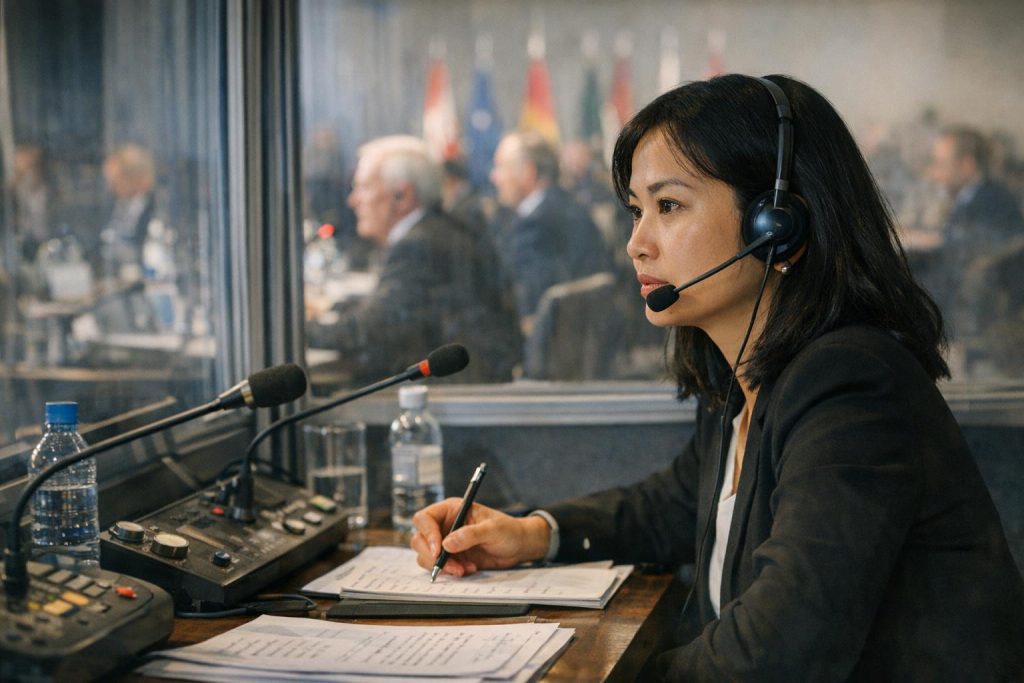
Another illustrative case involved the 2007 ASEAN summit hosted by Vietnam. During a critical session discussing maritime disputes, a subtle misinterpretation of phrasing related to territorial claims inflamed tensions among participating countries. Vietnamese diplomats later acknowledged that the interpreter’s unfamiliarity with specialized geopolitical terminology contributed to the confusion. This incident underscored the necessity for interpreters to possess not only linguistic skills but also deep subject-matter expertise.
The Anatomy of Interpretation Errors: Causes and Consequences
Interpretation errors can arise from various factors, including insufficient preparation, ambiguous source language, or emotional pressure during live exchanges. In Vietnam’s diplomatic context, the challenge intensifies due to the coexistence of Vietnamese, English, French, and increasingly Mandarin in official discourse.
- Terminology Preparation: Without meticulous pre-session briefing, interpreters risk misrendering technical or legal terms. For example, the Vietnamese term chủ quyền—commonly translated as “sovereignty”—has layered implications that require contextual sensitivity to avoid misinterpretation.
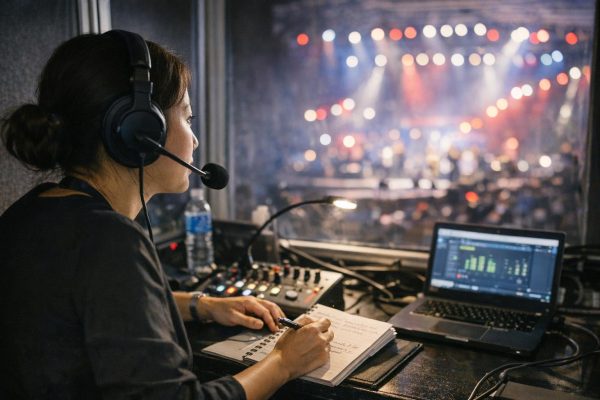
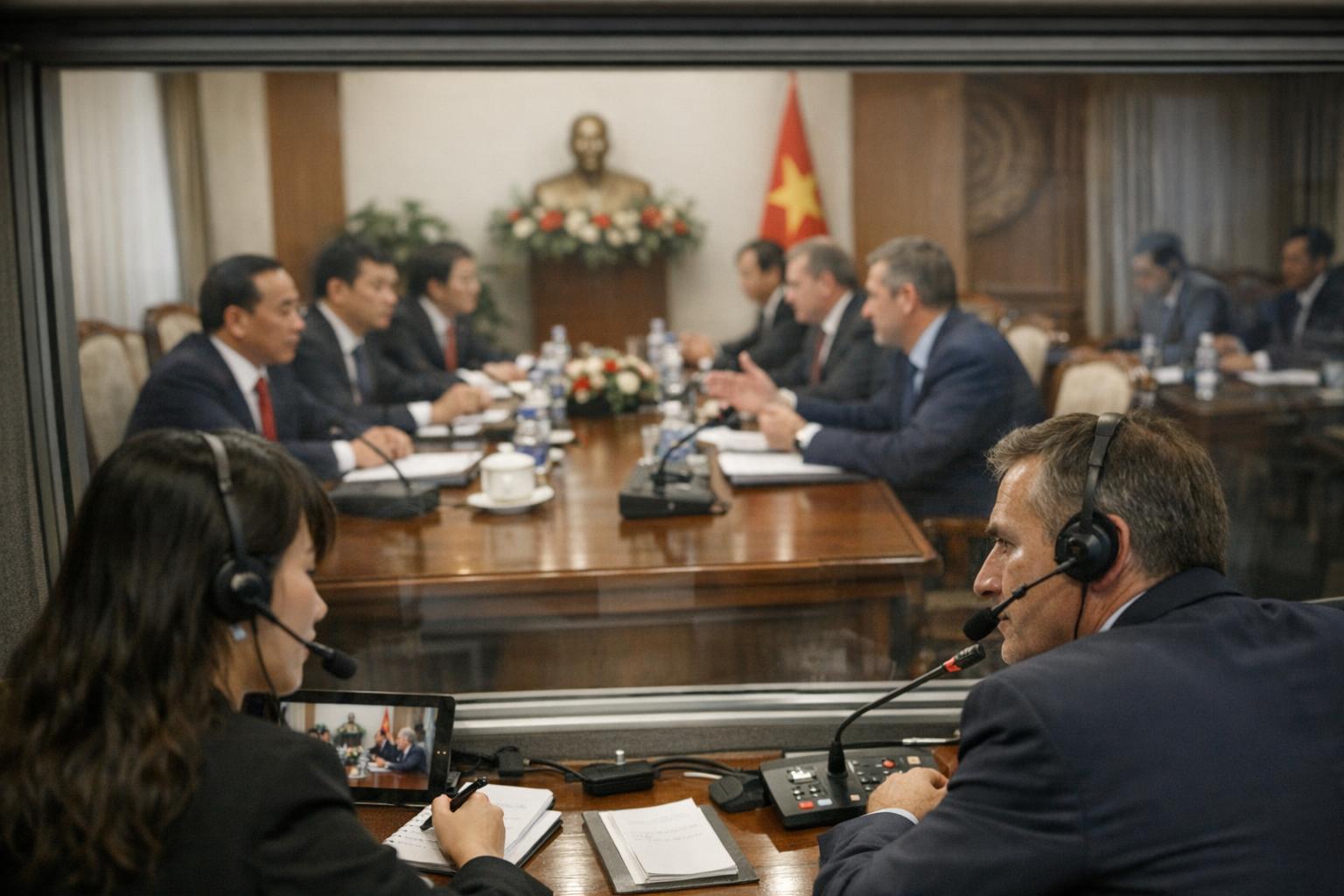
- Simultaneous versus Consecutive Interpreting: Simultaneous interpretation enables real-time communication but increases the risk of omissions or inaccuracies under pressure, especially if interpreters lack adequate training or support.
- Confidentiality and Trust: Diplomatic interpreters often handle sensitive information. Breaches, whether accidental or intentional, can jeopardize national security and diplomatic goodwill.
Professional Standards: The Backbone of Reliable Diplomatic Interpreting
To mitigate risks, Vietnam’s diplomatic services increasingly emphasize adherence to international interpreting standards. This includes rigorous certification, continuous professional development, and specialized training on diplomatic protocols and terminology.
Interpreters assigned to high-level meetings involving presidents, prime ministers, or senior diplomats must demonstrate:
- Proficiency in both source and target languages with comprehensive political and cultural knowledge.
- Mastery of simultaneous and consecutive interpreting techniques tailored to the diplomatic setting.
- Strict confidentiality and ethical conduct aligned with international norms.
- Ability to prepare thoroughly, including reviewing briefing materials and liaising with diplomatic teams.
professional interpreting services also facilitate pre-meeting coordination, ensuring interpreters are versed in the agenda, participants’ backgrounds, and expected terminology. This preparation reduces the likelihood of errors that could escalate diplomatic misunderstandings.
Corrective Measures and Technological Aids
When errors do occur, immediate acknowledgment and clarification are vital to restoring trust. Vietnam’s diplomatic protocols now include provisions for interpreters to request pauses or clarifications, a practice that counters the traditional pressure for uninterrupted flow.
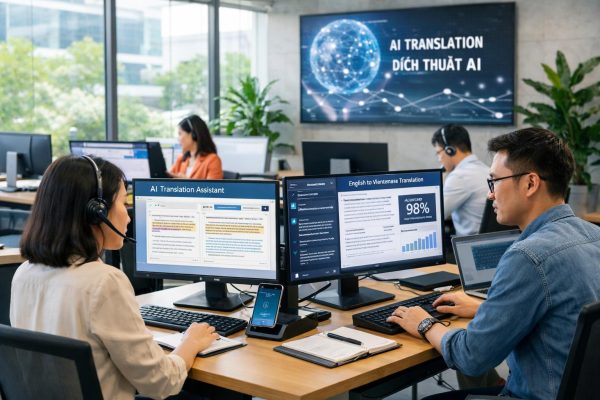
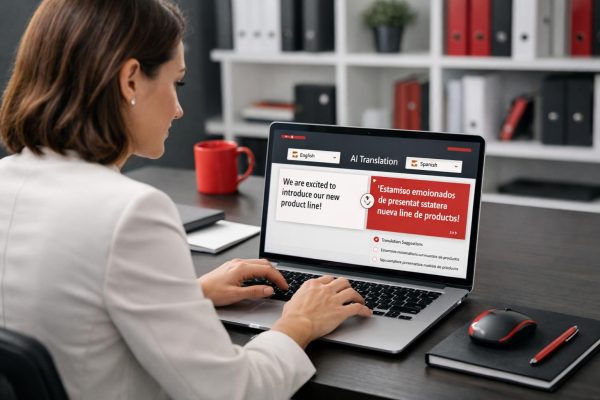
Additionally, emerging technologies offer supplementary support. While AI-powered translation tools cannot replace human judgment in sensitive diplomatic contexts, they assist interpreters by providing real-time terminology databases and context-aware suggestions. Nonetheless, the human interpreter remains indispensable for nuanced judgment and ethical considerations.
Practical Implications for Policymakers and Language Professionals
For policymakers, investing in interpreter training and establishing clear operational guidelines is paramount. This encompasses not only linguistic skills but also cultural competence, stress management, and familiarity with diplomatic etiquette.
Language service providers and diplomatic institutions should collaborate to set transparent standards for translation and interpretation rates, ensuring quality is not compromised by cost-cutting. Engaging professional interpreting services with proven expertise in diplomatic assignments enhances reliability and confidentiality.
Ultimately, the stakes of accuracy in Vietnam’s diplomatic interpreting extend far beyond words. They influence national reputation, alliance-building, and the peaceful resolution of complex international issues.
Addressing the Underexplored Challenge of Emotional and Cognitive Load on Interpreters
While much attention has been paid to linguistic accuracy and terminology preparation, one critical but often underexamined factor in diplomatic interpreting is the emotional and cognitive load borne by interpreters during high-stakes negotiations. The intense pressure to perform flawlessly in real time, coupled with the weight of representing national interests, creates a unique psychological environment that can significantly impact interpreter performance and, by extension, diplomatic outcomes.
Causes of Elevated Emotional and Cognitive Load
Diplomatic interpreters operate under conditions that amplify stress and cognitive demands far beyond typical interpreting scenarios. These include:
- High Stakes and Visibility: Interpreters in diplomatic contexts know that their words may influence international relations, trade agreements, or security arrangements. This awareness generates pressure to avoid even minor errors.
- Complex Multilingual Settings: Vietnam’s diplomatic milieu often involves switching between Vietnamese, English, French, and Mandarin, requiring rapid mental shifts and exceptional linguistic agility.
- Ambiguity and Nuance: Diplomatic language is frequently deliberately ambiguous or diplomatically nuanced. Interpreters must decipher intent and tone while maintaining neutrality, which demands heightened cognitive processing.
- Time Constraints and Simultaneity: Simultaneous interpreting leaves little room for reflection or error correction, intensifying mental workload.
- Emotional Content: Discussions may involve sensitive topics such as territorial disputes, human rights, or historical grievances, which can evoke strong emotions and complicate objective interpretation.
Real-World Implications of Interpreter Stress and Fatigue
The cognitive and emotional burden can manifest in diminished concentration, memory lapses, or inadvertent omissions. Such effects may not only degrade the quality of interpretation but also risk misrepresenting positions or sentiments, potentially escalating diplomatic tensions.
For example, an interpreter overwhelmed by fatigue might unconsciously soften or amplify a speaker’s tone, altering perceived intent. In Vietnam’s context, where subtle differences in phrasing can have outsized geopolitical consequences, these distortions can mislead negotiators or fuel misunderstandings.
Moreover, chronic stress without adequate support can lead to burnout, reducing the pool of qualified interpreters able to handle complex diplomatic assignments. This scarcity can increase reliance on less experienced personnel, further elevating risk.
Benefits of Recognizing and Managing Interpreter Cognitive Load
Understanding the psychological demands placed on interpreters offers several advantages for diplomatic institutions and language service providers:
- Enhanced Interpreter Well-being: Implementing measures such as scheduled breaks, workload rotation, and psychological support can maintain interpreter health and sustain performance quality.
- Improved Accuracy and Consistency: Reducing cognitive overload helps interpreters maintain focus, improving the fidelity of communication and reducing errors.
- Greater Trust Among Stakeholders: When diplomats and interpreters collaborate within a framework that acknowledges human limitations, mutual understanding and confidence in the interpreting process increase.
- Long-Term Talent Retention: Supporting interpreters’ mental health fosters career longevity, ensuring a stable cadre of skilled professionals for future diplomatic needs.
Community and Institutional Impact
At a broader level, addressing interpreter cognitive load contributes to the overall resilience of Vietnam’s diplomatic communication infrastructure. A workforce that is mentally and emotionally supported is better equipped to navigate the complexities of international relations, reducing the risk of communication breakdowns that can harm national interests.
Furthermore, raising awareness about these challenges within the diplomatic community promotes a culture of empathy and professionalism, encouraging diplomats to engage with interpreters as integral partners rather than mere conduits.
Practical Trade-Offs and Strategies
Balancing the need for continuous, real-time interpretation with the imperative to manage interpreter stress involves practical trade-offs. For instance, while simultaneous interpreting accelerates dialogue, it demands greater cognitive effort. Alternatively, consecutive interpreting allows for brief mental resets but extends meeting duration, which may be impractical in fast-paced diplomatic environments.
Effective strategies to mitigate these challenges include:
- Team Interpreting: Deploying pairs or teams who alternate every 20-30 minutes to prevent fatigue.
- Pre-Session Briefings: Thorough preparation reduces cognitive strain by familiarizing interpreters with content and terminology.
- Stress Management Training: Equipping interpreters with techniques such as mindfulness, controlled breathing, and cognitive reframing to maintain composure.
- Technological Support: Using terminology glossaries and AI-assisted tools to reduce mental load without compromising human judgment.
Future Opportunities: Integrating Cognitive Science into Diplomatic Interpreting
Looking forward, Vietnam’s diplomatic services could pioneer the integration of cognitive science insights into interpreter training and operational protocols. This interdisciplinary approach might include:
- Neuroscientific Assessment: Utilizing brain imaging and cognitive testing to identify optimal interpreter workload thresholds and personalize training.
- Virtual Reality Simulations: Creating immersive scenarios to prepare interpreters for high-pressure diplomatic exchanges in a controlled environment.
- Real-Time Stress Monitoring: Employing wearable technology to track physiological indicators of stress during interpreting sessions, enabling timely interventions.
- Collaborative Research: Partnering with academic institutions to develop evidence-based best practices addressing cognitive load and emotional resilience.
Such innovations could not only enhance interpreter performance but also position Vietnam as a leader in the science-informed evolution of diplomatic communication.
Expanding the Scope: The Ripple Effects of Interpretation Errors on Diplomatic Relations and National Image
Beyond immediate misunderstandings, interpretation errors in diplomatic settings can have profound and lasting ramifications on Vietnam’s international relations and global image. While linguistic accuracy is crucial for transactional clarity, the subtleties of tone, emphasis, and cultural resonance conveyed through interpretation also shape perceptions and trust among foreign counterparts.
Causes of Extended Diplomatic Consequences
Interpretation errors often do not remain confined to isolated meetings; they can propagate through diplomatic channels, media reports, and public discourse. Factors contributing to these ripple effects include:
- Media Amplification: Misinterpreted statements may be reported inaccurately, fueling public misunderstandings or political backlash internationally.
- Political Sensitivities: Errors related to sensitive topics—such as sovereignty claims or historical grievances—can provoke nationalist sentiments or diplomatic protests.
- Compounded Miscommunications: Initial errors may cascade into further misunderstandings in subsequent negotiations, complicating conflict resolution.
Real-World Implications for Vietnam’s Diplomatic Standing
For Vietnam, a country balancing complex regional dynamics and global partnerships, the stakes are especially high. An interpretation error that appears minor on the surface can be perceived as a diplomatic slight or a sign of unreliability. This perception may:
- Undermine Vietnam’s credibility in multilateral forums, affecting its ability to advocate for national interests.
- Hinder the formation of strategic alliances or economic partnerships due to mistrust.
- Impact negotiations on contentious issues like the South China Sea disputes, where precise language is pivotal.
Benefits of Proactive Management of Interpretation Risks
Recognizing the broader consequences encourages a holistic approach to diplomatic interpreting that integrates linguistic precision with strategic communication management. Benefits include:
- Strengthened Diplomatic Relationships: Accurate and culturally sensitive interpretation fosters mutual respect and smoother dialogue.
- Enhanced National Image: Demonstrating professionalism in communication reinforces Vietnam’s reputation as a reliable international actor.
- Prevention of Diplomatic Crises: Early detection and correction of interpretation errors can avert escalations and maintain dialogue continuity.
Community and Institutional Impact
This expanded understanding calls for integrated efforts among interpreters, diplomats, media personnel, and policymakers. Training programs could incorporate modules on the geopolitical implications of interpretation, while diplomatic institutions might establish rapid response teams to address and clarify misinterpretations publicly.
Such initiatives would cultivate a culture of vigilance and responsiveness, ensuring that linguistic errors do not translate into diplomatic setbacks.
Practical Trade-Offs and Future Opportunities
Balancing transparency with diplomatic discretion presents challenges. Publicly acknowledging interpretation errors risks exposing vulnerabilities, yet silence may allow misinformation to spread unchecked. Developing protocols for timely, measured clarifications represents a practical trade-off.
Looking ahead, Vietnam could leverage advanced communication analytics and media monitoring to detect and address interpretation-related miscommunications swiftly. Collaborations with international partners to standardize best practices in diplomatic communication could further elevate Vietnam’s standing as a model for effective and responsible international engagement.
Looking Ahead: Elevating Diplomatic Communication in Vietnam
As Vietnam expands its diplomatic footprint amid a rapidly shifting geopolitical landscape, the demand for impeccable interpreting will intensify. Future strategies must integrate comprehensive interpreter training programs, robust quality assurance protocols, and adaptive use of technology to safeguard communication integrity.
By learning from past interpretation errors and institutionalizing best practices, Vietnam can fortify its diplomatic engagements and project a voice that resonates accurately on the world stage.