Interpreting at Vietnam’s Highest Diplomatic Levels: A Study in Professional Ethics and Expertise
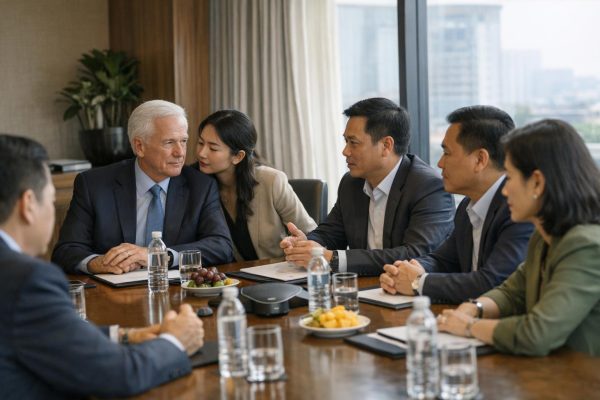
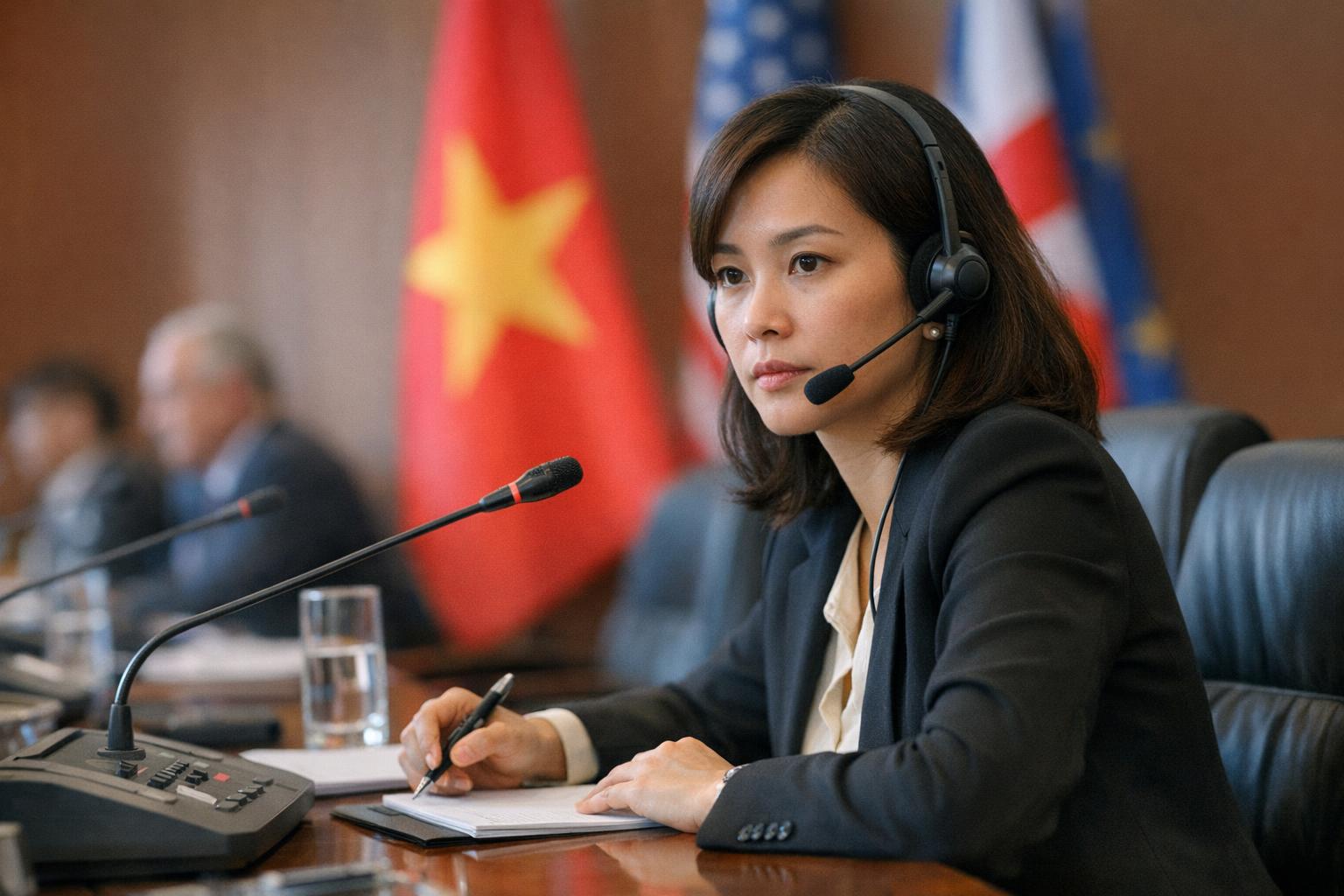
Interpreting for presidents, prime ministers, and diplomats is a demanding role that extends far beyond language proficiency. In Vietnam, as in other diplomatic hubs, interpreters operate at the intersection of global politics, cultural sensitivities, and linguistic precision. Their work is critical in shaping international relations, negotiations, and the often delicate tone of bilateral or multilateral meetings.
What distinguishes interpreters serving global leaders in Vietnam is their rigorous adherence to confidentiality and specialized terminology mastery—two pillars that sustain trust and accuracy in an environment where a single misinterpretation can carry significant geopolitical consequences.
Confidentiality: The Imperative of Discretion
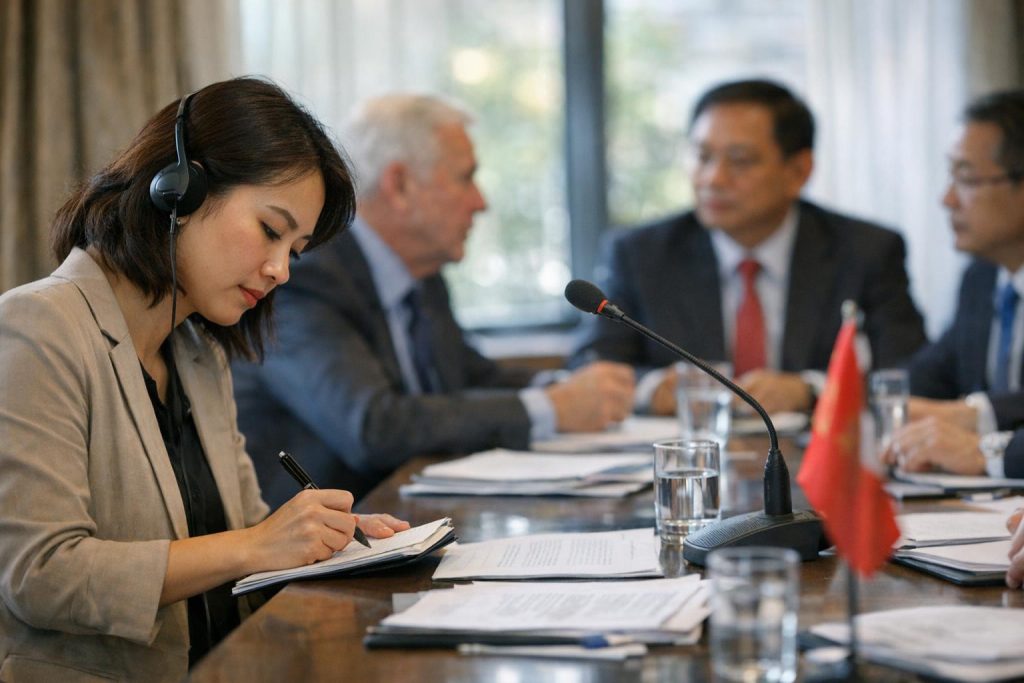
The confidential nature of diplomatic communication is paramount. Interpreters are privy to sensitive discussions ranging from security agreements to trade negotiations. Breaches in confidentiality can jeopardize national interests and diplomatic goodwill.
Vietnamese diplomatic interpreters abide by strict professional ethics codes, often formalized through clear contractual clauses and reinforced by unwritten but deeply ingrained norms. For example, during the ASEAN summits hosted in Hanoi, interpreters have historically maintained absolute discretion despite intense media scrutiny and the presence of multiple international delegations.
One practical measure interpreters employ is limiting the dissemination of notes and recordings. Unlike conference interpreters in commercial settings, diplomatic interpreters typically refrain from retaining personal copies of interpreted materials. Their focus is on live, ephemeral communication, not documentation.
Furthermore, interpreters must navigate complex security protocols within Vietnamese government offices and international embassies, often undergoing background checks and security clearances to ensure trustworthiness.
Terminology Mastery: The Backbone of Precision
Diplomatic language is highly specialized. Interpreters must prepare extensively to master the terminology relevant to political science, international law, economics, and bilateral agreements. This preparation often involves collaboration with subject-matter experts and consultation of official glossaries issued by Vietnamese ministries or international organizations.
For instance, during Vietnam’s participation in the Comprehensive and Progressive Agreement for Trans-Pacific Partnership (CPTPP) meetings, interpreters meticulously prepared terminology related to trade tariffs, intellectual property rights, and dispute resolution mechanisms. This ensured that Vietnamese negotiators’ positions were conveyed with clarity and authority.
Terminology databases and translation memory tools support interpreters, but linguistic intuition and cultural awareness remain critical. Words carrying multiple connotations require careful contextual interpretation to maintain diplomatic tone and intent.
Choosing Between Simultaneous and Consecutive Modes
Interpreters must decide between simultaneous and consecutive interpreting modes depending on the diplomatic context, meeting format, and speaker preferences.
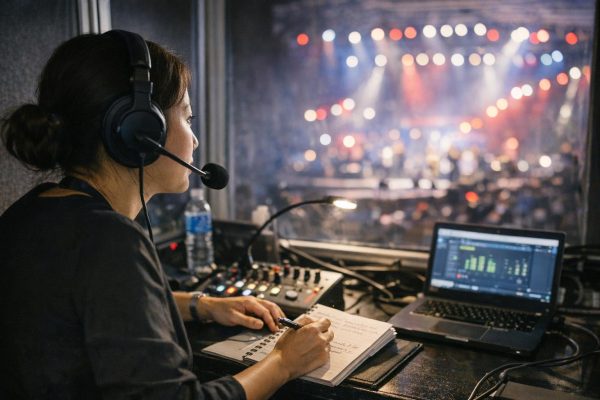
- Simultaneous interpreting is favored in large summits or plenary sessions where multiple speakers address an audience. It requires interpreters to listen and render speech in the target language almost instantaneously, demanding high concentration and stamina.
- Consecutive interpreting is common in bilateral meetings or confidential discussions where speakers pause to allow the interpreter’s rendition. This mode facilitates accuracy and allows for clarification but lengthens the meeting duration.
For example, during the 2017 Vietnam-US summit, consecutive interpreting was adopted for private bilateral talks between leaders, allowing interpreters to carefully convey nuanced policy statements. Conversely, simultaneous interpreting was used in the broader press conferences and multilateral sessions.
The choice also depends on room acoustics, technical equipment availability, and the interpreters’ experience with specific diplomatic protocols.
Maintaining Integrity and Precision: Practical Advice for Aspiring Diplomatic Interpreters
Those interested in diplomatic interpreting in Vietnam should prioritize the following professional standards:
- Confidentiality training: Understanding and committing to strict confidentiality agreements is non-negotiable.
- Terminology research: Developing comprehensive, up-to-date glossaries in specialized domains relevant to Vietnam’s foreign relations.
- Mode proficiency: Practicing both simultaneous and consecutive interpreting to adapt fluidly to diplomatic contexts.
- Cross-cultural competence: Appreciating the subtleties of Vietnamese and foreign diplomatic cultures enhances interpretation quality.
- Continuous professional development: Attending workshops, engaging in mock diplomatic scenarios, and collaborating with diplomatic experts improves readiness.
Moreover, understanding the financial dimensions of professional interpreting is essential. Awareness of standard translation and interpretation rates helps interpreters negotiate fair compensation while maintaining the highest service quality. Partnering with trusted providers of professional interpreting services offers access to well-structured support systems and quality assurance.
The Stakes of Errors: Lessons from History
Diplomatic interpreting errors, though rare, have sometimes altered the course of negotiations. Historical records indicate that misinterpretations during Cold War summits occasionally caused misunderstandings that required diplomatic damage control.
In Vietnam’s context, the 1995 US-Vietnam normalization talks underscored the critical role of interpreters. Precise language choices helped bridge decades of mistrust, facilitating a historic breakthrough. This example illustrates that interpreters are not mere language conduits but active participants in diplomatic success.
Looking Ahead: Evolving Standards and Technology’s Role
While technological advances promise enhanced support for interpreters, the human element remains irreplaceable in high-stakes diplomacy. In Vietnam, interpreters continue to refine their craft through rigorous training and adherence to ethical standards.
Future diplomatic engagements will likely see greater integration of AI-assisted terminology management tools, yet confidentiality and nuanced judgment will ensure human interpreters remain indispensable. The balance between leveraging technology and preserving professional integrity will define the next generation of diplomatic interpreting in Vietnam.
The Underexplored Challenge of Emotional Intelligence and Diplomatic Sensitivity in Interpreting
Beyond technical expertise in language and terminology, one of the most critical yet underexplored aspects of diplomatic interpreting in Vietnam is the role of emotional intelligence and diplomatic sensitivity. These qualities enable interpreters to navigate the subtle interpersonal dynamics, cultural nuances, and unspoken cues that permeate high-level diplomatic exchanges. While accuracy in words is essential, the tone, intent, and emotional undercurrents often carry equal weight in shaping outcomes.
Understanding Emotional Intelligence in the Diplomatic Context
Emotional intelligence (EI) refers to the ability to recognize, understand, and manage one’s own emotions and those of others. In diplomacy, where conversations can oscillate between cordiality and tension, interpreters with high EI can better gauge the atmosphere and adapt their delivery accordingly. This includes modulating voice tone, pacing, and emphasis to preserve the speaker’s intended message without inflaming sensitivities or undermining authority.
For example, during tense negotiations concerning territorial disputes or trade disagreements, an interpreter’s awareness of subtle shifts in mood or frustration can inform how they render statements—whether to soften potentially provocative language or maintain firmness to reflect the speaker’s resolve. This emotional calibration helps prevent misunderstandings and fosters a climate conducive to constructive dialogue.
The Impact of Diplomatic Sensitivity on Interpretation Choices
Diplomatic sensitivity involves a nuanced appreciation of cultural protocols, historical contexts, and political priorities. In Vietnam’s diplomatic landscape, interpreters must be acutely aware of the country’s historical experiences, national pride, and the delicate balance of regional relationships, particularly within ASEAN and with major powers like the United States and China.
This sensitivity guides interpreters in choosing words or phrasing that align with Vietnam’s diplomatic posture. For instance, when interpreting statements related to sovereignty or national security, subtle differences in word choice can signal firmness or openness to dialogue. An interpreter’s failure to grasp these subtleties risks misrepresenting official positions or offending counterparts.
Practical Implications for Diplomatic Outcomes
The integration of emotional intelligence and diplomatic sensitivity into interpreting practice has tangible implications for negotiation outcomes and bilateral relations. Interpreters who can skillfully manage these dimensions contribute to:
- Reducing diplomatic friction: By accurately conveying not only the literal meaning but also the emotional tone, interpreters help prevent escalation of misunderstandings.
- Enhancing trust: Leaders and diplomats are more likely to trust interpreters who demonstrate cultural empathy and emotional awareness, fostering smoother communication.
- Facilitating nuanced messaging: In situations requiring delicate signaling—such as backchannel diplomacy or confidence-building measures—interpreters’ subtle adjustments can reinforce intended diplomatic messages.
Challenges and Trade-offs in Emotional and Diplomatic Interpretation
Balancing emotional intelligence with strict fidelity to the speaker’s words presents challenges. Interpreters must avoid injecting personal bias or altering meaning under the guise of sensitivity. The ethical imperative remains to represent the speaker’s message faithfully, even when it is uncomfortable or contentious.
This trade-off requires interpreters to develop a refined judgment that distinguishes between enhancing clarity and misrepresenting intent. Training programs in Vietnam increasingly emphasize role-playing exercises and scenario analyses to cultivate these skills, yet the inherently subjective nature of emotional and diplomatic sensitivity means that continuous self-awareness and peer review are essential.
Community Impact and Professional Development Opportunities
Recognizing the importance of emotional intelligence and diplomatic sensitivity can elevate the professional standards of interpreters in Vietnam and beyond. Embedding these competencies into interpreter training curricula and certification processes can lead to a community of practitioners better equipped to handle complex diplomatic assignments.
Moreover, fostering a culture of mentorship where experienced diplomatic interpreters share insights on managing emotional and cultural nuances can enhance collective expertise. Such community-building not only improves individual performance but also strengthens Vietnam’s reputation for excellence in diplomatic communication services.
Future Directions: Integrating Emotional Intelligence with Technological Tools
While AI and machine learning tools are advancing rapidly in terminology management and speech recognition, replicating emotional intelligence and diplomatic sensitivity remains a frontier technology has yet to conquer. The human interpreter’s ability to perceive nonverbal cues, read between the lines, and adapt dynamically to evolving interpersonal contexts remains indispensable.
However, future interpreter support platforms might incorporate sentiment analysis and cultural context alerts to assist human interpreters in real time. Such hybrid approaches could enhance awareness without supplanting the interpreter’s nuanced judgment. For readers exploring this area, professional interpreting services offers additional context.
In Vietnam’s diplomatic sphere, investing in research and development of these tools, coupled with robust training in emotional and cultural competencies, could position interpreters at the forefront of global diplomatic communication innovation.
Expanding the Role: Interpreters as Cultural Mediators and Strategic Advisors
Beyond linguistic accuracy and emotional intelligence, an increasingly significant yet underemphasized dimension of diplomatic interpreting in Vietnam is the interpreter’s evolving role as a cultural mediator and, implicitly, a strategic advisor. This expanded function arises from the interpreter’s unique vantage point at the crossroads of language, culture, and diplomacy, where they often witness nuances and dynamics invisible to other participants.
Causes for the Expanded Role
Several factors contribute to this evolution. First, the complexity of contemporary diplomacy, with its multifaceted issues spanning economics, security, and culture, demands interpreters who understand not only language but also the broader contexts influencing communication. Second, Vietnam’s growing integration into global frameworks like ASEAN, CPTPP, and bilateral partnerships necessitates interpreters who can navigate diverse cultural expectations and diplomatic styles.
Third, the scarcity of professionals with both linguistic and geopolitical expertise means interpreters often fill informational gaps, providing real-time cultural clarifications or alerting negotiators to potential misinterpretations beyond mere words. Their role thus transcends passive translation to active facilitation.
Real-World Implications and Community Benefits
Interpreters acting as cultural mediators contribute significantly to smoother negotiations by preempting cultural faux pas, clarifying indirect communication styles, or advising on protocol nuances. For example, understanding the Vietnamese preference for indirect disagreement or the importance of face-saving can help interpreters frame messages that maintain harmony without compromising clarity.
This mediation fosters mutual respect and deeper understanding between Vietnamese officials and their international counterparts, ultimately enhancing Vietnam’s diplomatic standing. It also empowers interpreters as valued members of diplomatic teams rather than mere service providers, elevating the profession’s prestige and attracting talent.
Practical Trade-offs and Ethical Considerations
However, this expanded role entails trade-offs. Interpreters must carefully balance their advisory contributions with the imperative to remain impartial and faithful to the speaker’s message. Overstepping boundaries risks compromising neutrality, potentially leading to conflicts of interest or accusations of bias.
Moreover, acting as cultural mediators requires deep cultural knowledge and situational awareness, which demands ongoing education and experience. Interpreters must also be vigilant to avoid inserting personal interpretations or influencing negotiations beyond their remit.
Future Opportunities and Professional Development
Recognizing this expanded role opens opportunities for formalizing interpreter involvement in diplomatic teams through specialized training programs that combine language skills with international relations, cultural studies, and negotiation theory. Vietnam’s interpreter training institutions can develop curricula that prepare candidates for this hybrid role, integrating modules on cross-cultural communication, conflict resolution, and strategic advising.
Additionally, creating forums for interpreters to share experiences and best practices in cultural mediation can foster a community of practice that advances standards and innovation. Collaborations with diplomatic academies and foreign service institutes could further institutionalize this role.
Technological tools may also evolve to support this function, offering interpreters real-time cultural briefings or geopolitical context insights during sessions, enhancing their ability to mediate effectively without compromising integrity.
Conclusion: Toward a Holistic Model of Diplomatic Interpreting
As Vietnam’s diplomatic engagements become more complex and culturally nuanced, interpreters’ roles must evolve correspondingly. Embracing their function as cultural mediators and strategic advisors complements their linguistic and ethical expertise, enabling them to contribute more holistically to successful diplomacy.
This evolution presents challenges but also enriches the profession, offering interpreters greater agency and recognition. By investing in training, community development, and technological support tailored to this expanded role, Vietnam can cultivate a cadre of interpreters uniquely equipped to navigate the intricate interplay of language, culture, and international relations at the highest levels.