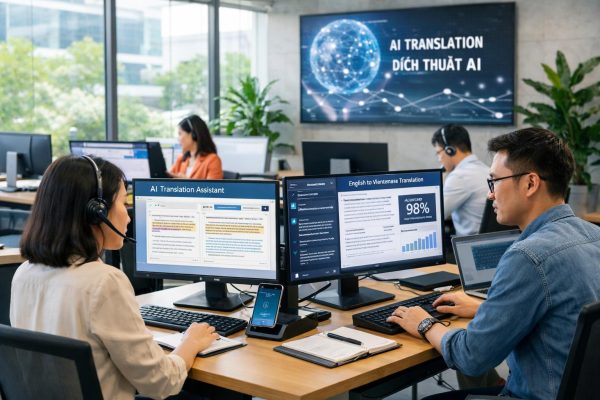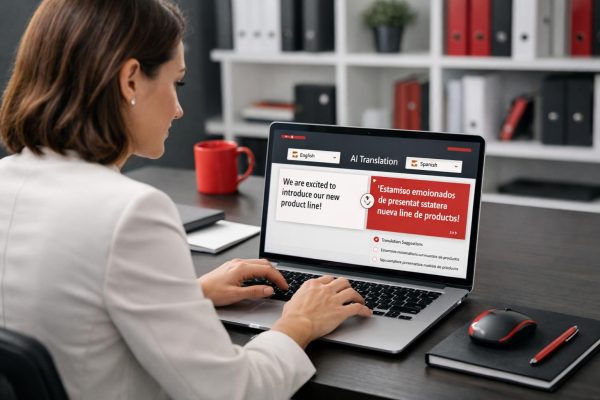
When Language Meets Innovation: The Interpreter’s Crucial Role in Vietnam’s Tech Ecosystem
Vietnam’s emergence as a vibrant technology hub has attracted the attention of global CEOs and international investors seeking strategic partnerships with local enterprises. Amid this surge, the role of professional interpreters is often underestimated yet fundamentally vital. These linguistic experts do far more than translate words — they decode complex industry terminology, navigate nuanced cultural expectations, and safeguard the subtleties of high-stakes negotiations.
Complexity Beyond Words: Decoding Tech Jargon and Industry Nuances
Technology partnerships involve highly specialized language. Whether discussing cloud architecture, AI algorithms, semiconductor fabrication, or SaaS integration, the precision of terminology can make or break understanding. Interpreters working in Vietnam’s tech sector must master not only Vietnamese and English but also the lexicon specific to software development, hardware engineering, and emerging technologies.
For example, during a recent investment conference in Ho Chi Minh City, interpreters supporting a negotiation between a U.S.-based AI firm and a Vietnamese software development startup had to fluently interpret terms like “machine learning pipelines,” “data lake governance,” and “edge computing nodes” while ensuring clarity for both parties. Misinterpretation risks could have led to costly misunderstandings or stalled agreements.
Cultural Intelligence: Reading Between the Lines in Executive Dialogues
Beyond technical vocabulary, cultural fluency shapes the interpreter’s impact. Vietnamese business culture values humility, respect for hierarchy, and indirect communication styles. Conversely, many Western CEOs favor directness and rapid decision-making. Interpreters serve as cultural mediators, conveying not just words but intentions and unspoken cues.
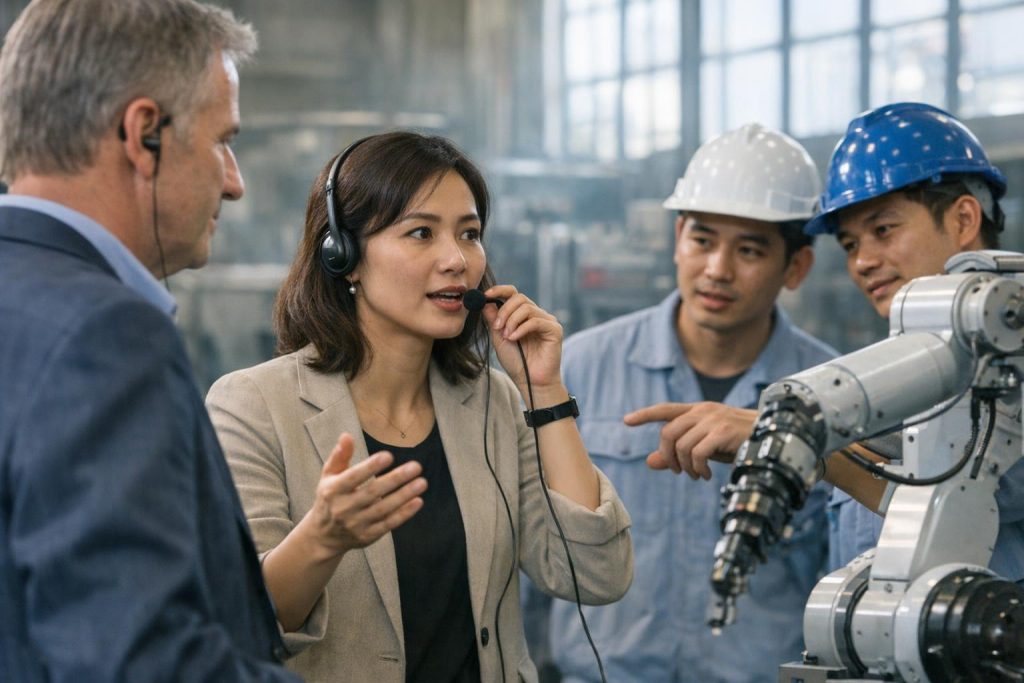
Consider a factory visit arranged for an international delegation led by a European CEO. The interpreter’s role extended to briefing the visiting team on local etiquette—such as the significance of gift-giving protocols and the appropriate way to address senior Vietnamese executives—to foster mutual respect and avoid inadvertent offense. This cultural bridge builds trust and accelerates partnership momentum.
Discretion and Professionalism Amid High-Stakes Engagements
Confidentiality is paramount when billion-dollar deals and sensitive intellectual property are at stake. Interpreters engaged in these settings adhere to strict codes of conduct, ensuring that all conversations remain secure and that delicate negotiations are handled with utmost professionalism.
For instance, during a series of executive meetings involving a major Korean semiconductor manufacturer entering Vietnam, interpreters maintained a rigorous standard of discretion. Their presence enabled candid discussions on supply chain logistics and proprietary technology without compromising company confidentiality.
Practical Insights for Business Leaders Partnering in Vietnam
- Engage Specialized Interpreters Early: Involve interpreting professionals during initial discussions to avoid miscommunication from the outset.
- Prioritize Industry Expertise: Choose interpreters with proven knowledge in your technology domain to ensure accurate and context-sensitive translation.
- Invest in Cultural Briefings: Leverage interpreters’ cultural insights to prepare your team for effective cross-cultural engagement.
- Ensure Confidentiality Agreements: Work with interpreting services that uphold strict privacy and data security standards.
- Leverage professional interpreting services: Utilize experienced providers to manage complex multilingual dialogues, especially during critical factory visits, investment discussions, and partnership negotiations.
Verified Examples Illuminate Interpreter Impact
Publicly documented business visits illustrate this dynamic vividly. During the 2024 Vietnam Technology Investment Forum, interpreters facilitated real-time dialogues between Southeast Asia’s emerging AI startups and Silicon Valley venture capitalists, enabling detailed exchanges on product roadmaps and regulatory compliance. Their capacity to navigate technical discussions and cultural nuances was credited by attendees as a decisive factor in several successful funding agreements.
Similarly, a multinational manufacturing giant’s executive delegation in Hanoi relied on interpreters not only to translate during plant tours and boardroom meetings but also to interpret informal networking conversations. This helped foreign leaders grasp local operational challenges and workforce dynamics, informing subsequent investment decisions.
Interpreting Services as Strategic Enablers in Vietnam’s Tech Growth
As Vietnam’s technology landscape expands with increasing foreign investment, the demand for interpreters who combine linguistic precision, technical knowledge, and cultural intelligence grows accordingly. Professional interpreting services are no longer ancillary but integral to facilitating cross-border innovation partnerships.
Understanding translation and interpretation rates can guide companies in budgeting for these essential services, ensuring that cost considerations do not undermine communication quality. Investing in professional interpreting services is an investment in clarity, efficiency, and partnership success.
Looking ahead, as artificial intelligence tools begin to augment human interpreters, the human element—judgment, empathy, and cultural intuition—will remain irreplaceable in high-stakes, nuanced negotiations. Businesses entering Vietnam’s innovation hub will find their global ambitions realized not only through technology but also through the careful language and culture mediation that skilled interpreters provide.
Addressing the Challenges of Interpreter Integration in Multinational Tech Collaborations
While the indispensable role of interpreters in Vietnam’s tech ecosystem is increasingly recognized, an important yet underexplored challenge lies in their effective integration within multinational teams and complex project workflows. Interpreters are often brought in as external service providers rather than embedded collaborators, which can limit their impact and even introduce inefficiencies. Delving into this issue reveals critical causes, real-world implications, and opportunities for optimizing interpreter involvement to benefit all stakeholders.
Causes of Integration Challenges
Several factors contribute to the suboptimal integration of interpreters in multinational tech projects:
- Perception of Interpreters as Peripheral: Many organizations view interpreters purely as language conduits rather than strategic partners, leading to late-stage engagement or exclusion from preparatory meetings.
- Complexity of Technical Content: Rapidly evolving technologies and specialized jargon require interpreters to be deeply ingrained in project specifics, which is difficult without early and continuous access to technical documentation and team discussions.
- Time Constraints and Scheduling Conflicts: Tight project timelines and differing time zones complicate interpreter availability and preparation, sometimes resulting in rushed or superficial interpretation.
- Limited Cross-Cultural Training for Teams: Without adequate intercultural competence among project members, interpreters face the burden of bridging cultural gaps alone, heightening the risk of miscommunication.
Real-World Implications of Poor Interpreter Integration
When interpreters are not fully integrated, the consequences ripple across the project and organizational levels:
- Misinterpretation and Technical Errors: Insufficient context can cause interpreters to misrepresent technical specifications or strategic intentions, potentially derailing development efforts or causing costly rework.
- Slower Decision-Making: Fragmented communication channels lead to delays, as teams must clarify ambiguous points or repeat discussions, undermining the agility crucial in technology ventures.
- Damaged Trust and Team Cohesion: When language barriers persist despite interpreter presence, frustration can grow among both local and international participants, eroding collaboration and morale.
- Increased Costs: Miscommunications can trigger contractual disputes, missed deadlines, and the need for supplementary interpreting sessions, inflating project budgets.
Benefits of Deepening Interpreter Integration
Conversely, embedding interpreters as core team members yields multifaceted advantages:
- Enhanced Accuracy and Consistency: Familiarity with project goals and terminology ensures interpreters deliver precise, context-aware translations throughout all communication phases.
- Proactive Cultural Mediation: Integrated interpreters can anticipate cultural misunderstandings early, advising teams on communication strategies that align with Vietnamese business norms and international expectations.
- Streamlined Collaboration: By participating in planning sessions and progress reviews, interpreters facilitate smoother dialogue, reducing redundancy and accelerating consensus-building.
- Knowledge Transfer and Capacity Building: Close interpreter involvement promotes mutual learning, whereby interpreters expand their technical expertise while teams gain intercultural awareness, strengthening long-term partnership resilience.
Practical Trade-Offs and Implementation Strategies
Integrating interpreters more deeply requires thoughtful balancing of resources and organizational culture:
- Investment in Training and Onboarding: Allocating time and budget for interpreters to study project materials and attend preparatory meetings may initially increase costs but reduces errors and delays downstream.
- Adjusting Team Dynamics: Encouraging openness to interpreter contributions beyond language translation challenges traditional hierarchies but fosters a more inclusive communication environment.
- Technological Support: Utilizing collaborative platforms that allow interpreters to access real-time documents, glossaries, and communication threads enhances their responsiveness and accuracy.
- Scheduling Flexibility: Planning meetings with interpreter availability in mind avoids last-minute engagements and ensures interpreters can prepare adequately.
Future Opportunities: Leveraging Interpreter Integration to Drive Innovation
As Vietnam’s tech ecosystem matures, the strategic integration of interpreters can become a competitive differentiator for multinational collaborations:
- Interpreter-Led Cultural Workshops: Interpreters can facilitate intercultural training sessions, equipping teams to navigate Vietnam’s business landscape independently and fostering deeper mutual understanding.
- Co-Creation of Multilingual Knowledge Bases: Interpreters can help develop shared glossaries and documentation repositories that bridge language divides and preserve institutional knowledge.
- Hybrid Human-AI Interpretation Models: Integrated interpreters can work alongside AI tools, validating and refining machine translations to enhance efficiency without sacrificing nuance.
- Expanded Roles in Negotiation Strategy: Interpreters, with their cultural insight and communication expertise, may increasingly advise on negotiation tactics and stakeholder engagement, transcending traditional linguistic functions.
In sum, addressing the underexplored challenge of interpreter integration is essential to unlocking the full potential of cross-border technology partnerships in Vietnam. By moving beyond transactional language support toward collaborative engagement, businesses and interpreters together can foster clearer communication, stronger relationships, and more successful innovation outcomes.
Enhancing Interpreter Roles Through Technological and Organizational Innovation
Beyond integration challenges, a critical but often overlooked dimension is how technological advancements and organizational innovation can transform the interpreter’s role in Vietnam’s tech ecosystem. While AI-driven translation tools gain prominence, the interplay between human expertise and technology presents nuanced opportunities and trade-offs that deserve deeper consideration.
Causes Driving Technological Adoption in Interpretation
The rapid pace of Vietnam’s tech growth and the volume of multilingual interactions have spurred demand for scalable language solutions. Automated translation and AI-powered interpreting platforms offer speed and cost advantages, making them attractive for routine communications and preliminary meetings. However, the complexity of technical jargon, cultural subtleties, and confidentiality concerns limit their standalone effectiveness in high-stakes settings.
Real-World Implications of Hybrid Interpretation Models
Integrating AI tools with human interpreters can yield significant benefits but also introduces challenges:
- Increased Efficiency: AI can handle repetitive, standardized language segments, freeing human interpreters to focus on nuanced, context-dependent communication.
- Risk of Oversimplification: Automated systems may lack the ability to convey cultural context or interpret ambiguous expressions, potentially leading to misunderstandings if used without human oversight.
- Data Privacy Concerns: Utilizing cloud-based AI services raises questions about the protection of sensitive business information, necessitating stringent security protocols.
- Skill Evolution for Interpreters: Professionals must adapt by developing competencies in managing AI tools, editing machine outputs, and focusing on value-added cultural mediation.
Community and Organizational Benefits of Embracing Innovation
When thoughtfully implemented, technology-enhanced interpretation can bolster Vietnam’s position as a global innovation hub:
- Broader Access: Cost-effective AI tools can democratize language support, enabling smaller startups and local enterprises to engage more confidently with global partners.
- Continuous Learning: Data generated through AI-assisted interpretation can inform the development of specialized glossaries and training materials, elevating interpreter expertise community-wide.
- Strengthened Collaboration: Hybrid models facilitate more dynamic, real-time communication across time zones and languages, accelerating project timelines.
Practical Trade-Offs in Adopting AI-Augmented Interpretation
Organizations must balance cost, quality, and security considerations:
- Investment in Infrastructure: Deploying AI tools requires upfront expenditure on software, hardware, and training, which may challenge budget-conscious projects.
- Maintaining Human Oversight: Overreliance on automation risks eroding the interpreter’s critical role; companies should ensure human review remains integral.
- Customization Needs: Technical domains demand tailored AI models trained on industry-specific data, necessitating partnerships with specialized vendors.
Future Opportunities: Toward a Synergistic Interpretation Ecosystem
The trajectory of interpreter roles in Vietnam’s tech collaborations points toward a synergistic ecosystem where human expertise and AI capabilities complement each other:
- Real-Time Augmented Interpretation: Wearable devices and smart interfaces could provide interpreters with instant access to technical glossaries and cultural notes during negotiations.
- Collaborative AI Platforms: Cloud-based environments where interpreters, engineers, and business leaders co-create multilingual content and workflows.
- Interpreter Training Powered by AI: Personalized learning modules leveraging machine learning to enhance linguistic and technical proficiency.
- Ethical Frameworks and Standards: Establishing guidelines to govern AI use in interpretation, ensuring respect for privacy, accuracy, and cultural sensitivity.
By embracing organizational innovation and technological enhancement, Vietnam’s interpreting community can elevate its strategic value, driving more effective and culturally attuned cross-border technology partnerships. This evolution not only benefits individual businesses but also strengthens Vietnam’s broader innovation ecosystem, positioning it as a model for inclusive, technology-enabled global collaboration.