Vietnam’s Manufacturing Surge: Beyond the Hype
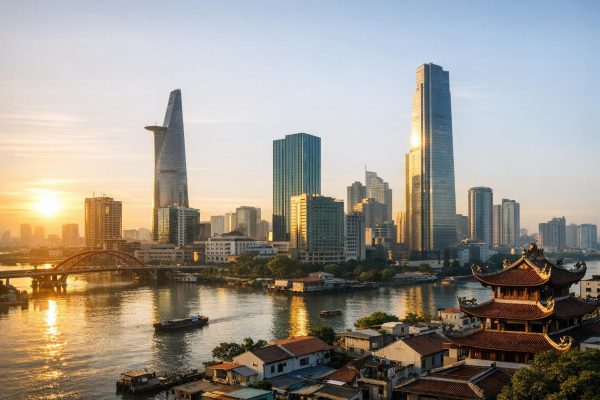
Vietnam’s manufacturing sector is poised for significant expansion in 2026, driven by global supply chain realignments and domestic policy reforms. Yet, foreign investors seeking to capitalize on this boom face a landscape that demands more than capital injection — it requires nuanced understanding of specific subsectors, infrastructure ecosystems, and labor dynamics. This article delves into the tangible growth areas within Vietnam’s manufacturing industry and outlines practical steps for investors to translate opportunity into operational success.
Key Manufacturing Subsectors Set for Growth
Vietnam’s manufacturing growth is not monolithic. Several subsectors stand out for their strategic importance and growth trajectory in 2026:
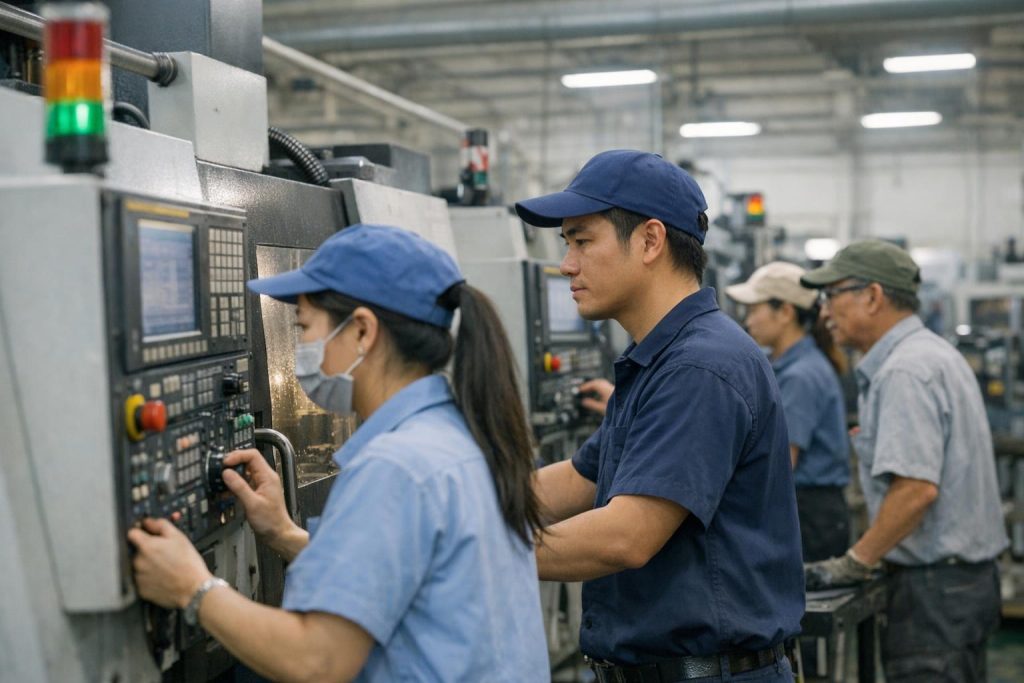
- Electronics and Electrical Equipment: Vietnam is rapidly becoming a hub for electronics assembly, particularly consumer electronics and components for multinational corporations. The country’s improving technological base and competitive labor costs support this expansion.
- Textiles and Garments: Despite global challenges, Vietnam’s textile industry benefits from free trade agreements, enabling preferential access to markets like the EU and the US. Innovation in sustainable fabrics and automation is also gaining traction.
- Automotive Components: With increased FDI and domestic policy focus on automotive manufacturing, suppliers of parts and components are scaling up, feeding into regional automotive clusters.
- Food Processing: Catering both to domestic consumption and export, Vietnam’s food processing sector is expanding with emphasis on quality control and meeting international standards.
Understanding these sectors’ distinct supply chain needs and growth drivers is critical for investors aiming to position themselves effectively.
Industrial Parks: The Backbone of Manufacturing Expansion
Vietnam’s network of industrial parks (IPs) plays a pivotal role in supporting manufacturing growth. Recent developments highlight several trends and opportunities:
- Specialized Industrial Parks: Parks focused on electronics, high-tech, or green manufacturing are emerging, providing tailored infrastructure and streamlined administrative processes.
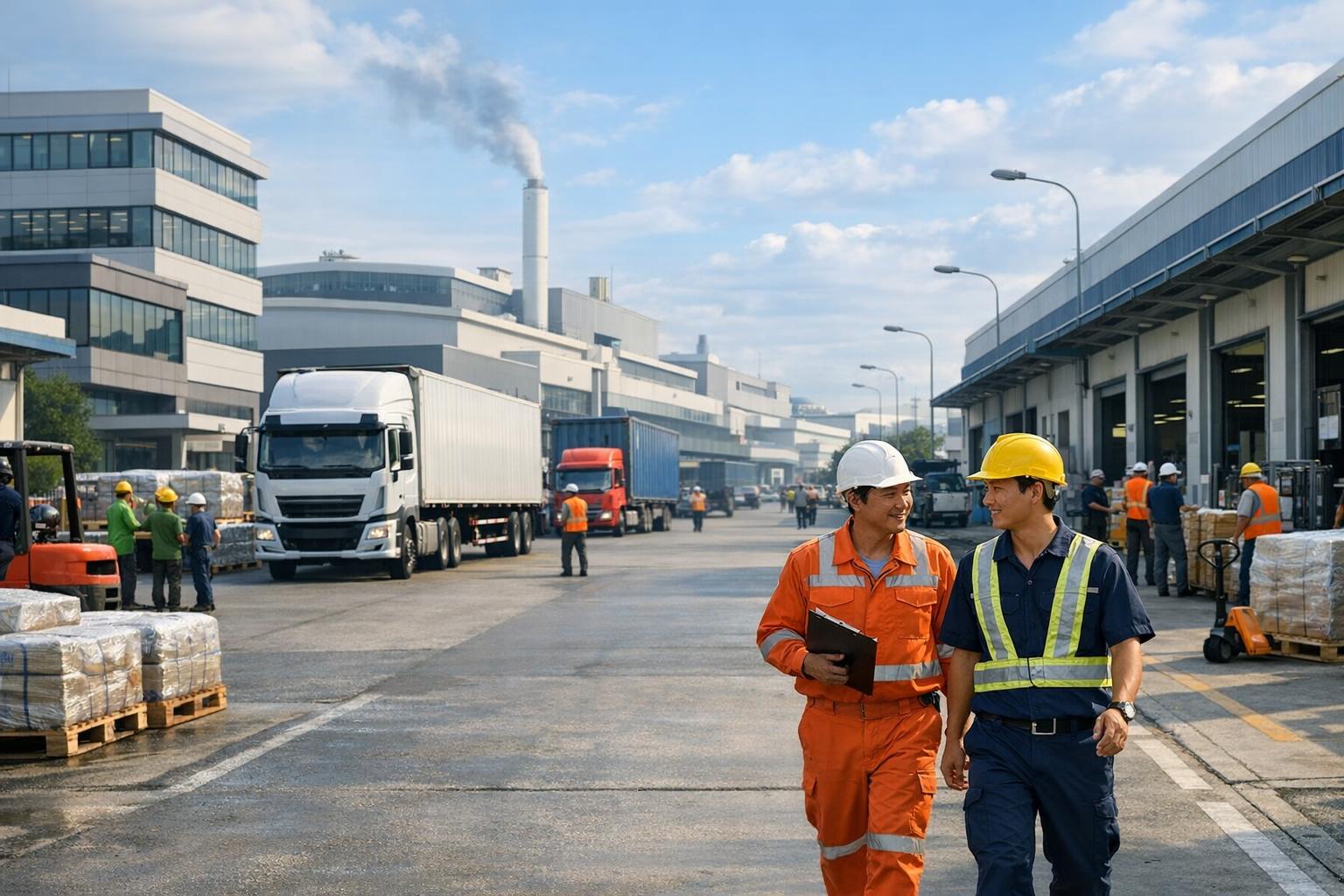
- Proximity to Ports and Logistics Hubs: Industrial parks located near major ports like Hai Phong and Da Nang reduce logistics costs and improve supply chain efficiency.
- Integrated Services: Many IPs now offer utilities, customs facilitation, and workforce training centers on-site, reducing startup friction for foreign investors.
- Government Incentives: Some IPs benefit from preferential land rents, tax breaks, and expedited permitting, often aligned with Vietnam’s broader industrial development strategies.
Investors must evaluate industrial parks not only for cost but also for their operational synergies with target manufacturing subsectors and supply ecosystems.
Workforce Readiness: Navigating Skill and Labor Market Complexities
Vietnam’s labor market is a double-edged sword for manufacturing investors. On one hand, the country offers a large, young workforce with growing technical skills. On the other, challenges persist in skill mismatches, wage pressures, and retention.
- Technical Training and Vocational Education: Government initiatives to boost vocational training are underway, but quality and relevance vary significantly by region and industry.
- Labor Costs and Productivity: Wages have risen steadily, especially in industrial hubs, making productivity gains essential to sustain competitiveness.
- Labor Regulations: Understanding Vietnam’s labor laws, including contracts, working hours, and social insurance requirements, is crucial to avoid compliance pitfalls.
- Multilingual Communication: For foreign investors, bridging language gaps can be critical. Leveraging professional translation services is advised to ensure clear communication and documentation.
Labor Market Nuances: Deepening Understanding of Workforce Challenges and Opportunities
While Vietnam’s workforce is often lauded for its size and youthful demographics, a deeper examination reveals complex challenges that can significantly impact manufacturing investors. These challenges stem from structural issues in education, regional disparities, cultural factors, and evolving labor market expectations.
Causes of Skill Mismatches and Regional Disparities
Vietnam’s rapid economic growth has outpaced the development of its vocational and technical education systems. Although the government has prioritized vocational training, curricula often lag behind industry needs, leading to a mismatch between the skills graduates possess and those demanded by manufacturers. This gap is particularly pronounced in high-tech manufacturing sectors such as electronics and automotive components, which require specialized technical skills and familiarity with advanced machinery.
Moreover, regional disparities exacerbate these challenges. Industrial hubs in the north (e.g., Bac Ninh, Hai Phong) and south (e.g., Ho Chi Minh City, Binh Duong) attract the majority of foreign direct investment and skilled labor. However, rural and less developed provinces often lack access to quality vocational training, resulting in uneven labor quality. This geographic imbalance compels manufacturers to either invest in extensive on-site training or face higher turnover as workers migrate toward urban centers.
Real-World Implications for Investors and Manufacturers
Skill shortages and mismatches translate into tangible operational risks. Manufacturing plants may experience lower productivity, higher defect rates, and increased training costs. For investors, this can erode profit margins and delay time-to-market, especially in sectors where precision and quality control are paramount.
Additionally, wage inflation driven by rising living standards in urban areas pressures manufacturers to balance labor costs with competitiveness. Without commensurate productivity gains, rising wages can squeeze margins. Investors must therefore integrate labor productivity strategies into their operational models to sustain profitability.
Practical Trade-Offs in Workforce Development Strategies
Investors face strategic choices when addressing workforce challenges. One path is to rely heavily on in-house training programs, tailoring skills development to specific operational needs. While this approach ensures alignment with company standards, it requires upfront investment in training infrastructure and may delay production ramp-up.
Alternatively, partnering with local vocational institutions offers a scalable solution but depends on the quality and relevance of existing curricula. Investors should consider engaging with educational authorities to influence program design, ensuring alignment with industry requirements. This collaboration also fosters goodwill and can enhance local community relations.
Another trade-off involves geographic site selection. Establishing facilities closer to urban centers provides access to a larger skilled labor pool but often comes with higher land and labor costs. Conversely, locating in developing provinces may reduce costs but necessitates greater investment in workforce development and infrastructure.
Community Impact and Corporate Social Responsibility
Manufacturing investors have an opportunity to positively influence local communities through workforce development initiatives. By investing in vocational training centers, apprenticeship programs, and continuous education, companies can elevate the skill levels of local populations, contributing to sustainable economic development.
Such initiatives not only build a reliable talent pipeline but also enhance corporate reputation and social license to operate. In regions where industrialization may disrupt traditional livelihoods, active engagement in community development can mitigate social tensions and foster long-term stability.
Future Opportunities: Leveraging Technology and Policy Evolution
Looking ahead, technological advancements offer promising avenues to address labor challenges. The adoption of Industry 4.0 technologies—such as automation, robotics, and AI-driven quality control—can compensate for skill shortages by enhancing productivity and reducing dependence on manual labor. For readers exploring this area, translation and interpretation rates offers additional context.
However, integrating these technologies requires a workforce capable of managing and maintaining sophisticated equipment, underscoring the ongoing need for technical training. Investors who combine technology adoption with strategic workforce development will be better positioned to achieve operational excellence.
On the policy front, the Vietnamese government is increasingly focused on upgrading vocational education and supporting high-tech manufacturing. Investors should monitor policy shifts and engage with government programs that offer incentives or support for workforce development initiatives.
Environmental Sustainability: An Underexplored Imperative in Vietnam’s Manufacturing Boom
While much attention focuses on rapid expansion and investment opportunities, the environmental sustainability of Vietnam’s manufacturing surge remains an underexplored yet critical dimension. The interplay between industrial growth, environmental impact, and regulatory evolution presents both challenges and opportunities that foreign investors must proactively address to ensure long-term viability and community acceptance.
Causes and Context of Environmental Challenges
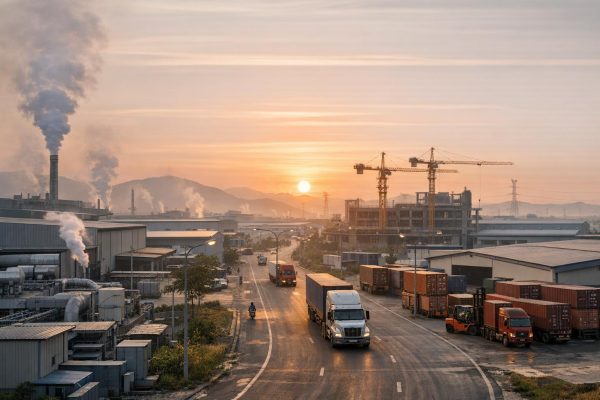
Vietnam’s accelerated industrialization has led to increased energy consumption, waste generation, and resource depletion. Many manufacturing processes, particularly in textiles, electronics, and food processing, involve significant water usage and chemical inputs. Historically, environmental regulations were less stringent or unevenly enforced, resulting in localized pollution, including water contamination and air quality degradation.
Moreover, as industrial parks proliferate, the cumulative environmental footprint grows, pressing local ecosystems and communities. Public awareness and activism around environmental issues are rising, prompting government agencies to tighten environmental standards and monitoring.
Real-World Implications for Investors and Communities
Ignoring environmental sustainability can lead to regulatory penalties, production disruptions, and reputational damage. For instance, non-compliance with wastewater treatment standards may result in forced shutdowns or costly retrofits. Additionally, communities affected by pollution may oppose factory operations, leading to social unrest or protracted negotiations.
Conversely, integrating sustainable practices can enhance operational efficiency by reducing waste and energy costs, while opening access to markets that increasingly demand environmentally responsible sourcing. Investors who anticipate and adapt to these trends can differentiate themselves competitively.
Practical Trade-Offs in Sustainable Manufacturing Investments
Implementing environmentally sustainable technologies and processes often requires upfront capital expenditure—such as installing advanced wastewater treatment systems, energy-efficient machinery, or adopting circular economy practices like material recycling. While these investments may increase initial costs, they can yield long-term savings and risk mitigation.
Investors must balance short-term financial pressures against the benefits of sustainability, considering factors such as evolving regulatory landscapes, potential for government incentives, and stakeholder expectations. Engaging environmental consultants and integrating sustainability into site selection criteria—favoring industrial parks with green infrastructure—can optimize these trade-offs.
Community and Ecosystem Benefits
Sustainable manufacturing practices contribute to healthier local environments, reducing pollution-related health risks and preserving natural resources. This fosters stronger community relations and social license to operate, which are vital for stable long-term operations.
Furthermore, companies that champion sustainability can stimulate local green job creation, such as roles in environmental monitoring and sustainable supply chain management, thereby contributing to broader socio-economic development.
Future Opportunities: Aligning with Global Sustainability Trends
Global supply chains are increasingly incorporating environmental criteria, with multinational corporations demanding compliance with international standards such as ISO 14001 or adherence to Environmental, Social, and Governance (ESG) frameworks. Vietnam’s manufacturing sector stands to benefit from aligning early with these standards, attracting premium clients and investment.
Emerging technologies—such as renewable energy integration, digital energy management systems, and waste-to-energy solutions—offer pathways to enhance sustainability while improving operational resilience. Policymakers are also expected to expand incentives for green manufacturing, including tax breaks and infrastructure support.
Foreign investors who embed environmental sustainability into their strategic planning and operational models will not only mitigate risks but also unlock new avenues for innovation, market access, and community partnership in Vietnam’s manufacturing boom.
Practical Investment Steps for Foreign Entrants
Site Selection: Aligning Location with Business Strategy
Picking the right manufacturing site in Vietnam involves balancing cost, access to inputs, and regulatory environment. Key considerations include:
- Access to Raw Materials and Suppliers: Proximity to reliable local suppliers or ports for imported materials reduces lead times and costs.
- Infrastructure Quality: Evaluate power stability, water supply, and transport connectivity.
- Regulatory Landscape: Some provinces offer preferential policies but may have bureaucratic bottlenecks; due diligence is essential.
- Environmental Compliance: Increasingly stringent environmental regulations require investors to plan for sustainable operations.
Engaging local experts and leveraging consular legalization services can facilitate smoother negotiations and contract formalization.
Supply Chain Integration: Building Resilience and Efficiency
Investors must go beyond establishing a manufacturing footprint and actively integrate into Vietnam’s expanding but complex supply chains:
- Local Supplier Development: Collaborate with local firms to enhance quality and reliability, reducing dependence on imports.
- Technology Adoption: Use digital tools for inventory management, quality control, and supplier coordination.
- Risk Mitigation: Diversify supplier base geographically within Vietnam to avoid disruptions from localized issues.
- Compliance and Documentation: Accurate translation and interpretation services are vital for contracts, quality standards, and regulatory filings.
Labor Market Navigation: Recruiting, Training, and Retention
Establishing a reliable workforce requires proactive strategies:
- Partnering with Technical Colleges: Work with local educational institutions to tailor training programs to your manufacturing needs.
- Competitive Compensation Packages: Balance wage offers with benefits and career development opportunities to attract talent.
- Language and Cultural Training: Facilitate communication between foreign managers and Vietnamese workers through professional translation and interpreting support.
- Compliance with Labor Laws: Avoid costly legal issues by thoroughly understanding Vietnam’s employment regulations.
Looking Ahead: Strategic Adaptation in a Dynamic Landscape
Vietnam’s manufacturing boom in 2026 is more than a headline; it is a complex ecosystem evolving rapidly under global pressures and local reforms. Success for foreign investors hinges on granular understanding of sectoral nuances, infrastructure realities, and workforce dynamics, combined with strategic integration into local supply chains and regulatory frameworks.
As Vietnam’s industrial parks continue to modernize and workforce development gains momentum, investors must remain agile—embracing continuous market intelligence and leveraging professional translation services to bridge cultural and procedural divides.
Those who navigate these practical steps thoughtfully will not only capitalize on Vietnam’s manufacturing surge but also build resilient operations capable of adapting to future shifts in the global industrial landscape.
For ongoing support in managing documentation and communication complexities, foreign investors should consider expert consular legalization services and trade fair interpreting services to ensure seamless cross-border engagement and stakeholder relations.